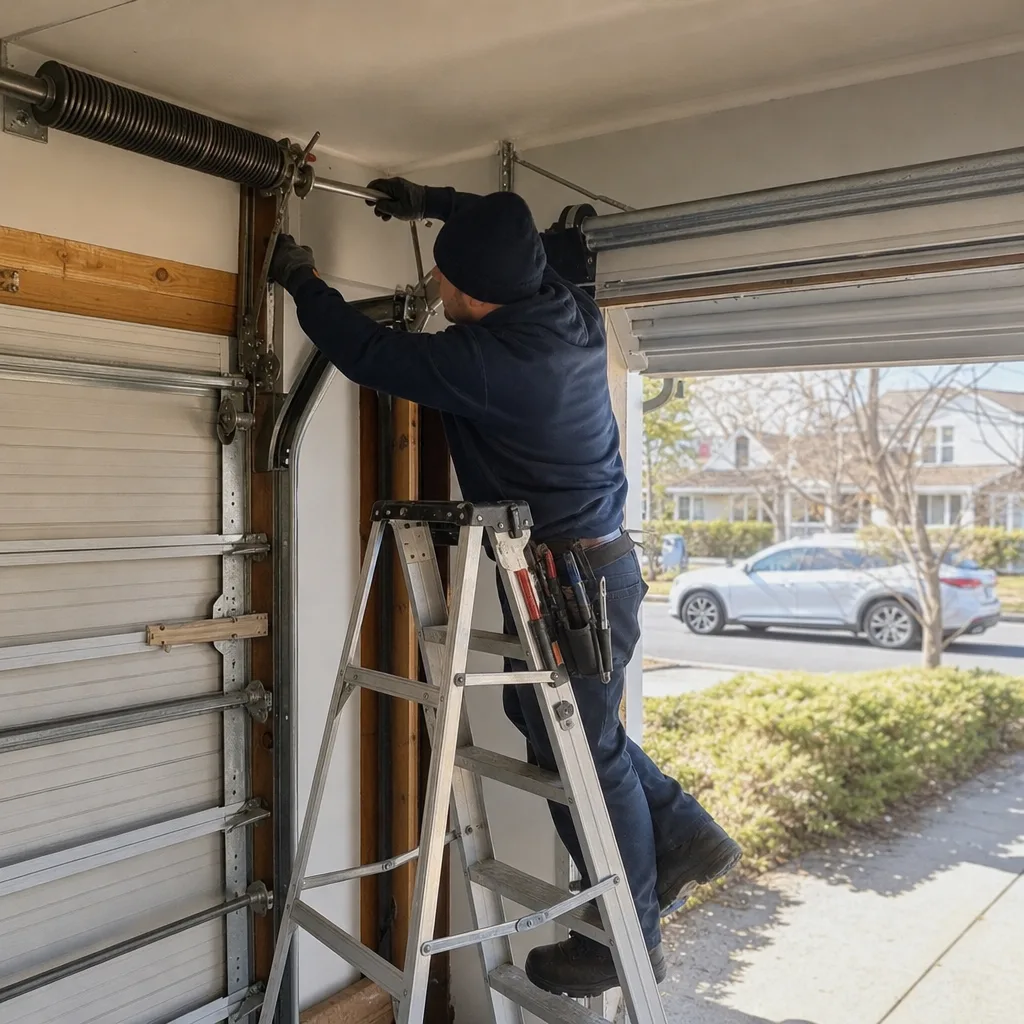
Last updated November 23, 2026
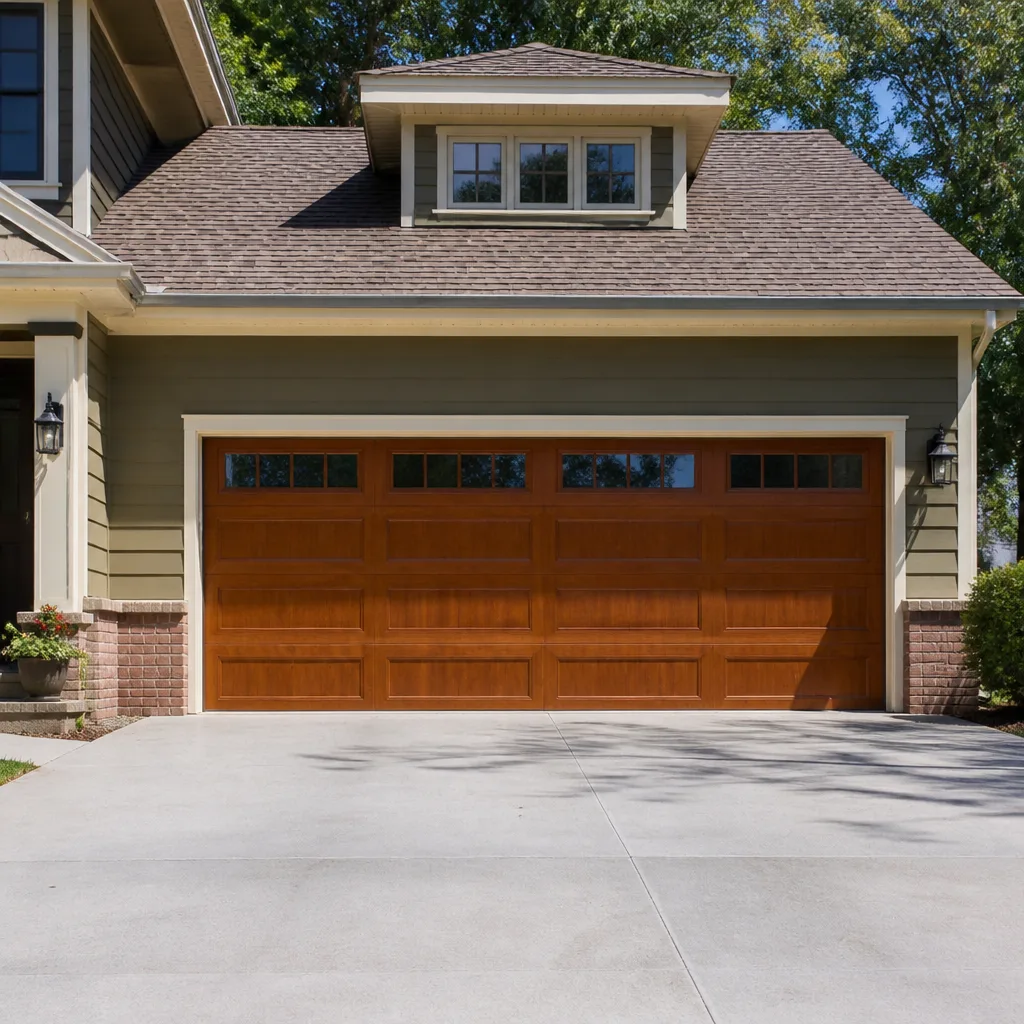
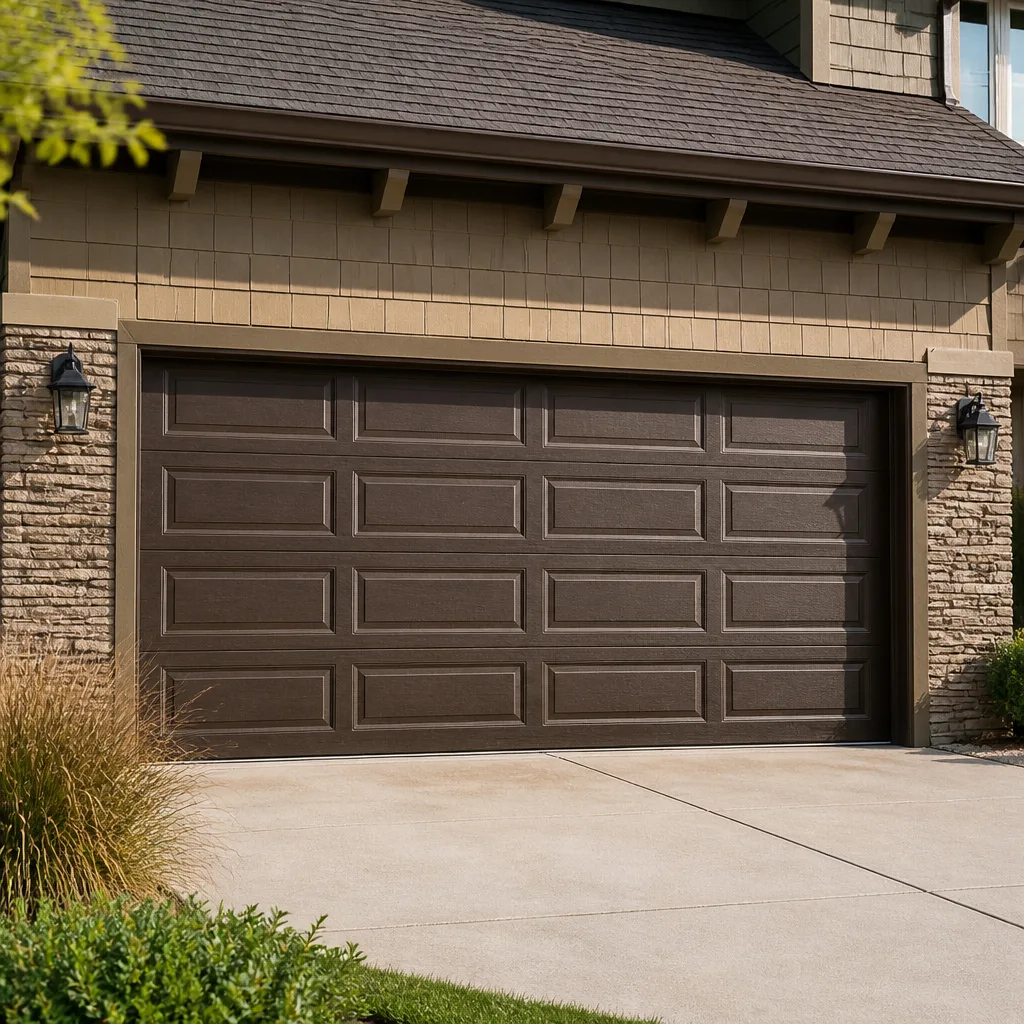 Raised-panel steel
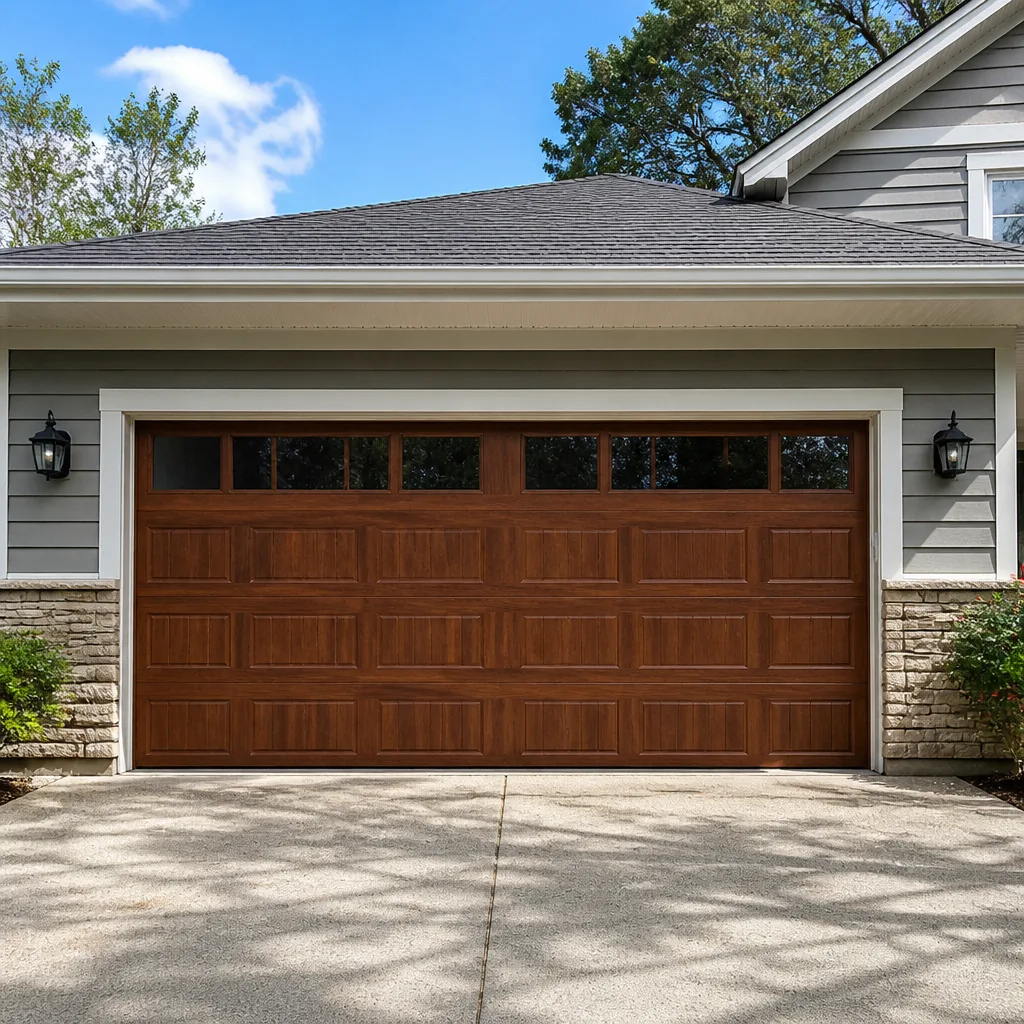
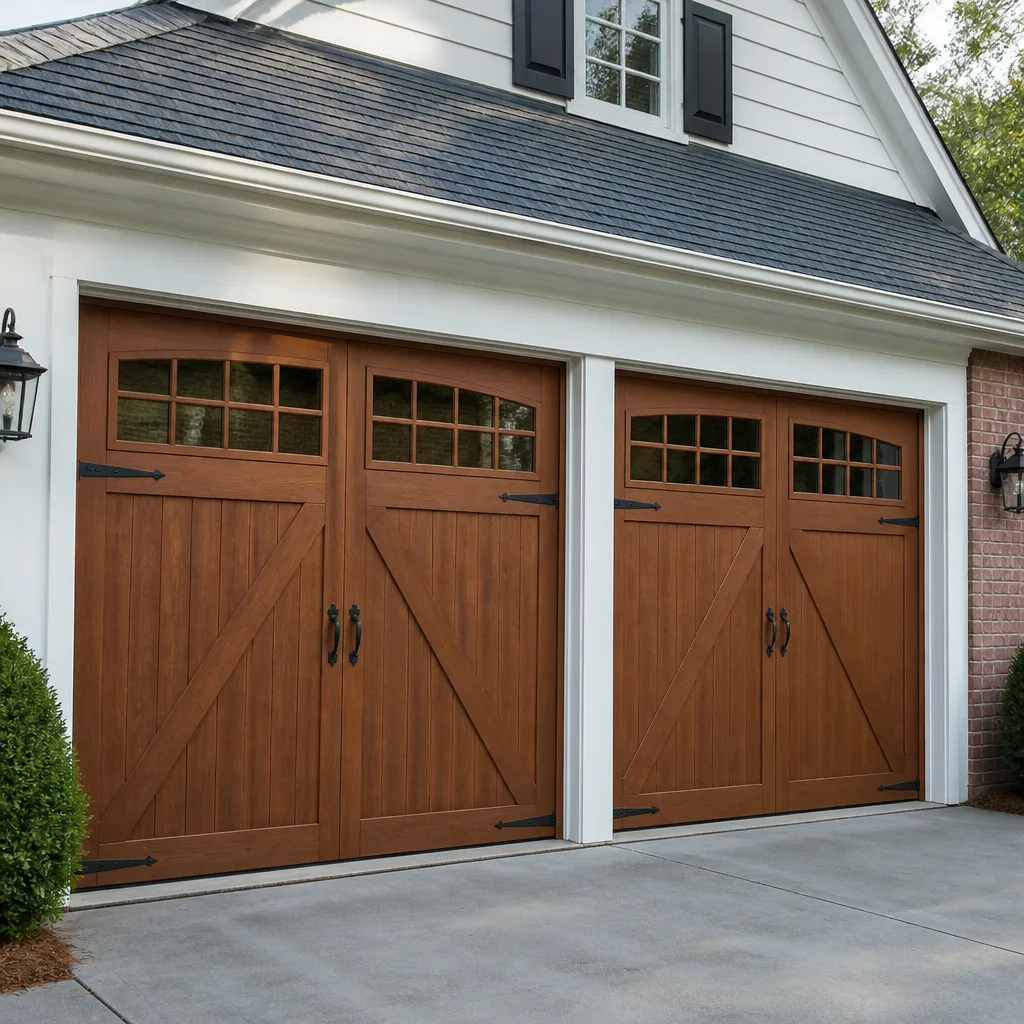 Carriage house
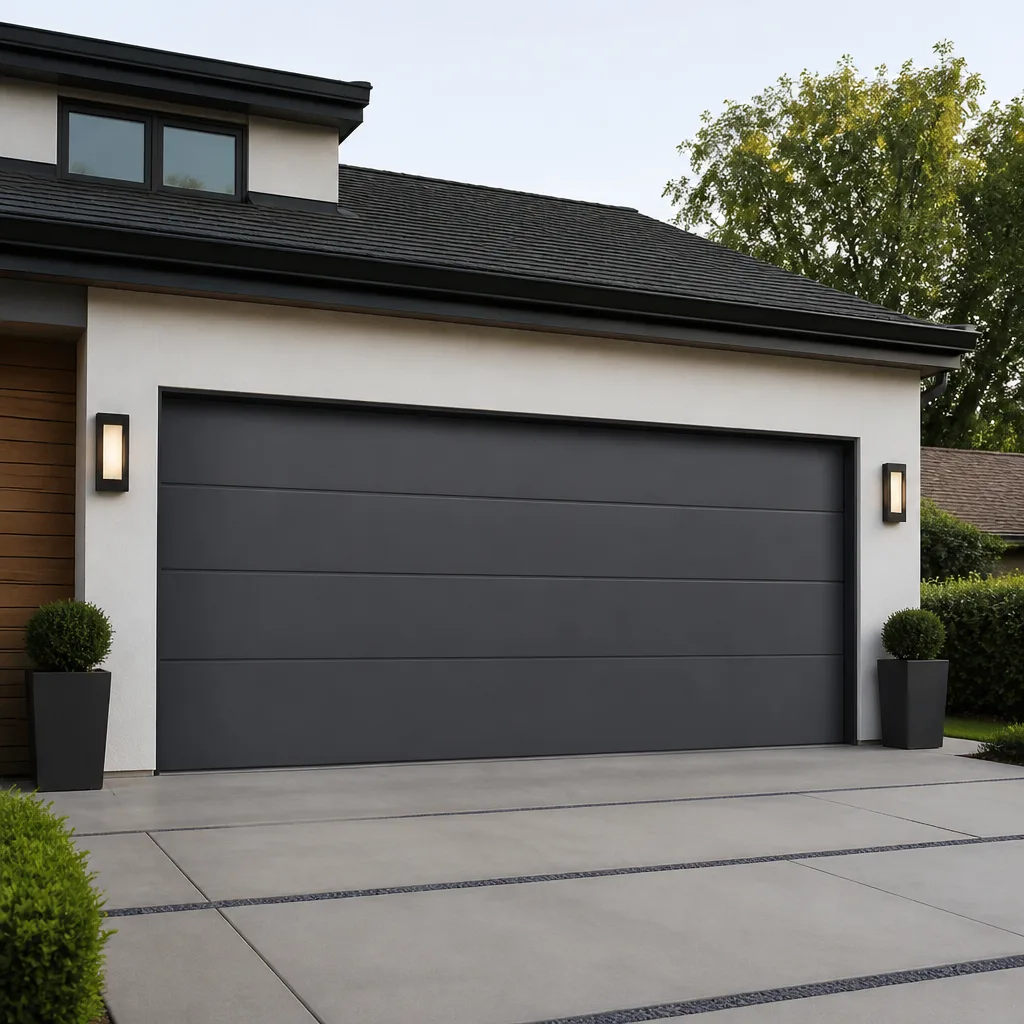 Modern flush
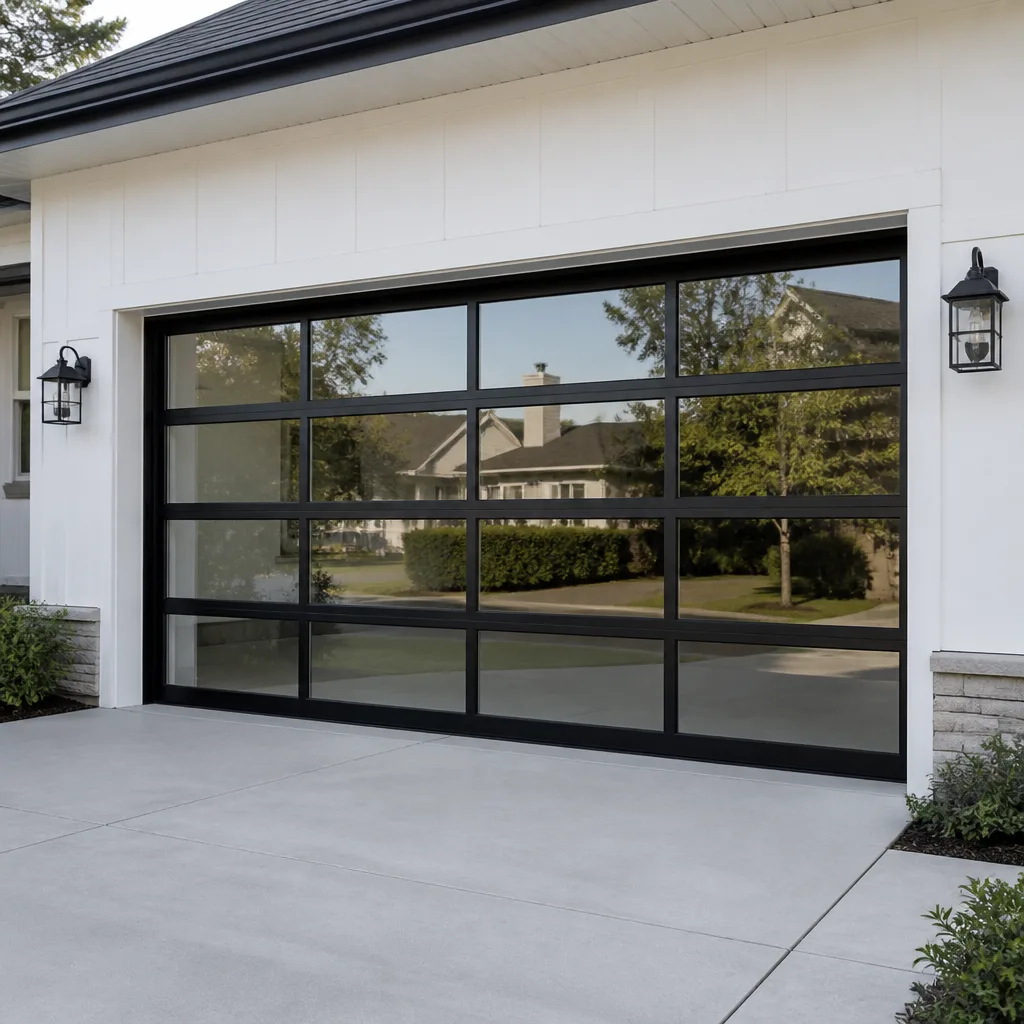 Full-view glass
 LiftMaster openers
 Chamberlain openers
Full 25-point door and opener safety check with every visit - springs, cables, rollers, tracks, and your LiftMaster or Chamberlain opener included
You get a price before we start. It does not change when the pro arrives.
Get your free estimateSeasonal Garage Door Care for Chicopee: Year-Round Homeowner’s Guide
Winter gets blamed for almost every garage door problem in Massachusetts, but the calls that really pile up come in the first warm week of spring. Cold snaps are hard on doors, sure. What actually breaks hardware is the thaw that follows, when the ground shifts, the tracks move a little, and a door that struggled through February finally gives out in April. Chicopee sits in a stretch of the Connecticut River Valley where all four seasons show up on schedule, so your garage door faces four different kinds of stress a year, not one long winter. This guide treats each season as its own maintenance window. You’ll learn what to check and when, why the timing matters, and how to spot a problem before it strands your car.
Quick Answer
Garage doors in Chicopee need four separate rounds of care: a fall prep to get ahead of the cold, a winter routine for keeping a frozen door from damaging its seal or opener, a spring inspection after freeze-thaw has moved your tracks and hardware, and a summer tune-up that catches humidity and heat drift before anything fails. The single most useful habit is a short visual check at the start of each season, plus a professional spring and balance check once a year. Most emergency calls we see trace back to a step that got skipped during a seasonal change.
Styles & brands we work with
- Raised-panel steel
- Carriage house
- Modern flush
- Full-view glass
- LiftMaster openers
- Chamberlain openers
Table of Contents
- Why Each Chicopee Season Breaks Garage Doors Differently
- Fall: The Prep That Prevents Winter Failures
- Winter: Handling a Frozen Door Without Doing Damage
- Spring: What the Freeze-Thaw Cycle Does and What to Inspect
- Summer: Humidity, Heat Drift, and the Best Time for a Tune-Up
- Your Seasonal Garage Door Task Calendar
- What You Should Never Adjust Yourself
- Common Mistakes to Avoid
Why Each Chicopee Season Breaks Garage Doors Differently
A garage door is a machine that lives in an unfinished room, which means it lives in the weather. In Chicopee, that means the steel in your door swings from bone-dry cold to muggy summer heat across the year, and every material in the assembly expands, contracts, and settles along with it. The springs, the tracks, the rollers, the seals, and the opener’s travel settings all respond to temperature in their own way. Treat the door as a four-season system and you stop chasing breakdowns.
Snow and ice get blamed for most wintertime door trouble, but a lot of the actual call volume arrives after the cold breaks. When the ground thaws and refreezes, everything anchored to the slab moves a fraction of an inch. A door that was perfectly aligned in January might drag on one track by April. The same pattern plays out in older neighborhoods like Willimansett and Aldenville, where cars sit outside overnight and the garage door gets worked hard at the start and end of every day.
There’s also the daily-cycle angle. In a Chicopee home, the garage door is often the front door: it’s how the groceries come in, how the kids get to the car, how you leave for work. A door that’s drifting out of adjustment gets used dozens of times a week, so a small problem turns into a stuck car quickly. Seasonal checkups catch the drift while it’s cheap to correct. Wait for the failure and you’re often looking at garage door repair on a schedule someone else chose.
The good news is that a seasonal door routine is short. Ten minutes of looking and listening, repeated four times a year, saves a lot of hassle. Our technicians have up to 13 years of experience working in this type of climate, and the patterns below come from that work, not from a brochure.
Fall: The Prep That Prevents Winter Failures
Fall is the season that determines whether your winter is quiet or expensive. The goal isn’t just lubrication; it’s checking tension and alignment while the metal is still warm and slightly forgiving. Cold makes steel brittle and makes springs less forgiving of a load they weren’t set up for. Get your door into good mechanical shape before the first hard freeze, and the cold becomes a non-event.
Here’s the fall walk-through, in order:
- Run the door and listen. A grinding, scraping, or popping sound means something is out of alignment or worn. Note where it happens: opening, closing, or mid-travel.
- Check balance. Disconnect the opener using the release cord with the door in the closed position, then lift the door about halfway by hand. A properly balanced door stays roughly where you put it. If it slams down or needs a lot of effort to lift, the springs need attention.
- Inspect the springs visually. Look for gaps in the coils, rust, or a stretched appearance. Don’t touch or adjust them: springs are under high tension and can cause serious injury if handled wrong.
- Lubricate the moving parts you’re allowed to touch. Rollers, hinges, and the pivot points get a garage-door-rated lubricant. Wipe the tracks clean but don’t grease the track surface itself.
- Check the weather seal and bottom edge. Look for cracking or a gap. A good seal keeps snow and meltwater out and reduces the strain on the bottom panel.
- Test the safety reverse. Put a roll of paper towels in the door’s path and close it. The door should reverse on contact. Also test the photo-eye sensors by blocking them.
That safety-reverse test matters more than people realize. In a cold garage in Chicopee, the opener’s force settings sometimes drift with temperature, and a door that felt safe in September can be slow to reverse by December. If it fails, stop using the door and get it looked at. Your fall list is also the right time to glance at your opener’s manual or brand: whether it’s a Chamberlain, Genie, or something older, knowing the model makes any later service call faster. If you’d rather have a trained eye run the whole check once, garage door opener repair and a general door inspection belong in the same visit.
Winter: Handling a Frozen Door Without Doing Damage
A frozen garage door can be freed safely if you go slow, but the two biggest causes of winter damage are brute force and repeated opener attempts. When the bottom seal is stuck to the concrete, the opener keeps pushing all its torque into a door that can’t move, and that’s how motors and gears get damaged. The fix is patient, not powerful.
Here’s how to handle it:
- Don’t keep hitting the opener button. Two failed attempts and you should stop. Send the force through a stuck seal repeatedly and you’re asking for an opener failure.
- Free the seal by hand. Use a plastic scraper or your boot to gently work along the bottom edge where it meets the slab. Never pry with a metal tool against the panel.
- Warm the seals if needed. A hairdryer on low, held a few inches away, softens the rubber enough to release it. Don’t aim heat directly at glass or at the same spot for long.
- Check the photo-eye sensors. Snow, ice, or a fogged lens can trip the safety system. Clear them off before you ask the door to move.
- Lift by hand if the door is free but the opener won’t pull. Release the cord, lift slowly, and if it’s still binding, stop. That’s a mechanical problem, not an ice problem.
Beyond the frozen seal, winter is a good time to keep the tracks clear of snow and ice and to make sure the door isn’t sitting on a sheet of ice at the bottom of the slab. If the concrete in front of the door collects meltwater that refreezes overnight, the door will keep freezing in the same spot. Sweeping or chipping that small area clean pays for itself in fewer morning headaches. Doors that face the prevailing winter wind in Chicopee also take more strain on the bottom section, so watch the lower panel for dents and the bottom bracket for looseness. When something mechanical shows up on a winter morning, it’s the kind of thing that can’t always wait for a scheduled slot; that’s where garage door spring repair and winter service calls get real. Call us and we’ll get someone out to look.
Spring: What the Freeze-Thaw Cycle Does and What to Inspect
Spring is when the damage from winter actually surfaces. The freeze-thaw cycle is rough on everything anchored in the ground: the slab heaves and settles, and the tracks anchored to it move with it. That’s why a door that opens fine in February can scrape, bind, or look crooked by the first warm week of April. The first week of spring brings more service calls than any cold-weather month, and it’s almost always alignment or hardware that shifted.
After the last frost, inspect these in order:
- Tracks. Look for bends at the bottom where ice and impact hit them. Run a straight edge or a level along both sides to see if they’re still true.
- Hardware. Bolts and hinges loosen from the winter vibration and the ground shifting. Check the brackets and hinges for rattling, and tighten what you’re able to reach safely.
- The bottom seal and weatherstripping. Winter takes a toll on rubber; look for cracks, gaps, and where it’s pulled away from the frame.
- Springs and cables. Look for rust, stretched coils, or frayed cables. Don’t adjust them yourself. If you see wear, call for a pro.
- Balance and opener behavior. Repeat the balance test from fall. If the door feels heavier or drops faster than it did last year, the spring tension has changed.
- The opener’s force and travel settings. These often drift over the winter and can be re-checked by a professional as part of a tune-up.
One Chicopee-specific note: spring is also pothole season, and the jolt of a rough driveway at the start of a season can knock loose a hinge or shift a bracket. Older neighborhoods with narrower driveways in Fairview and Chicopee Center see more of this because doors sit close to the slab edge, where ice and thaw damage is worst. If your door is scraping when it moves, that’s the alignment answer, and the fix is usually simple if you catch it early.
Kids, cars, and bikes also come back out in spring, so the safety-reverse and photo-eye tests are worth repeating then, not just in fall. If your door’s motion is jerky or the opener beeps and stops halfway, that’s a calibration issue. Knowing the brand helps: a Chamberlain or Genie opener’s settings and error codes aren’t the same, and a technician familiar with your specific system gets to the answer faster.
Summer: Humidity, Heat Drift, and the Best Time for a Tune-Up
Summer is the wrong season to ignore your door and the right season to tune it. Heat does two things in a Chicopee garage: it pushes humidity into the space, and it changes how the opener and the door’s metal behave. If you have a wood or composite door, humidity causes swelling, which can tighten the fit and make a door that opened easily in May start rubbing in July. Steel doors expand slightly in heat and can shift against the tracks. And opener sensitivity tends to drift in high heat, so the same force setting that worked in spring can trigger an unexpected reversal in August.
The summer checklist:
- Check wood or composite doors for swelling, warping, or paint failure, and reseal as needed.
- Look for rust on steel panels, hinges, and rollers, and wipe down any that show early rust.
- Re-test the safety reverse and photo eyes. Heat drift can make a door reverse for no visible reason.
- Listen to the opener for new noises or a strained sound when it starts.
- Clean the tracks of dust and debris from pollen and yard work.
- If you have a connected opener, check the app or Wi-Fi status and update your settings so the door’s behavior matches what you expect.
Summer is also the best season for a proactive tune-up because conditions are most stable: no ice, no ground movement, warm metal. A professional tune-up now catches problems that would otherwise become winter emergencies. It’s the season when doors get replaced too, since measuring and scheduling new installation goes smoother without frozen ground and short daylight. A Clopay or Amarr replacement door that gets spec’d and measured in July is a much quieter process than one scrambled together in a January cold snap. Building the tune-up into your summer routine is the lowest-stress way to keep the door healthy.
Your Seasonal Garage Door Task Calendar
Here’s the whole year on one page. Print it, stick it inside the garage door, and check each box off as the season turns. The point is that each season has one clear job, not a pile of vague chores.
| Season | What to do | What to look for |
|---|---|---|
| Fall | Full balance and safety-reverse check, lubricate rollers and hinges, inspect springs and seals | Stretched springs, cracking seal, uneven travel, slow reversal |
| Winter | Keep tracks and seals clear of ice, free a frozen seal by hand, don’t over-use the opener | Stuck seal, snow-blocked sensors, strained opener sound |
| Spring | Inspect tracks for alignment, tighten hardware, re-test balance and safety reverse | Bent or shifted tracks, loose hinges, scraping on movement |
| Summer | Humidity and rust check, re-test safety reverse and photo eyes, schedule a tune-up | Wood swelling, rust spots, heat-related opener drift |
A few practical notes for using it. Do the fall check before the first hard freeze, not after. Do the spring check after the last frost, not during a warm spell in March that turns cold again. The winter check is reactive, so you handle it as needed. The summer tune-up is the one to put on the calendar in advance, because that’s the one that prevents the most trouble. If you’re ever unsure which season’s task applies, the answer is usually: whichever failure mode your door is showing right now. Scraping and misalignment point to spring work. A slow, strained opener in the dead of winter points to the winter routine. Rust and swelling point to summer.
Every season is also a good time to note your door and opener model. Whether you’re running a Clopay door with a Chamberlain opener or an older setup, the more you know about your equipment, the faster anyone can help you. It’s the same reason we get familiar with the brands we do: knowing the quirks of what’s already in your garage saves everyone time.
What You Should Never Adjust Yourself
Some parts of a garage door are safe to look at and unsafe to touch. Springs, cables, and the bottom bracket hold and release the door’s full weight, and they’re under constant high tension. A spring that’s under load can injure you badly if you try to adjust it, and a cable that’s under tension can snap. That’s not a warning we add for show. It’s the single most common way homeowners get hurt trying to save a service call.
What’s safe to do yourself: lubricate rollers and hinges, wipe clean the tracks, clear the area around the door, test the safety reverse and photo eyes, and inspect for wear. What’s not: adjusting spring tension, replacing springs, touching cables, or moving the bottom bracket. If any of those need work, that’s a professional job, and it’s a good sign when a company treats spring repair as its own dedicated service with its own procedures. If you see a broken spring, stop using the door until it’s fixed. Running a door with a broken spring puts enormous strain on the opener, which then fails too, and that doubles the cost.
The other thing to leave alone is the opener’s wiring and circuit board. If a connected opener won’t respond to the app or a wall button, the fix can be inside the unit, and opening it up is not a do-it-yourself project for most homeowners.
Common Mistakes to Avoid
- Treating winter as the only season that matters. Ice gets the attention, but the spring thaw moves more tracks and loosens more hardware. If you only think about your door in January, you’ll miss the season that causes most of the alignment problems.
- Loading up the track with grease. Grease on the track attracts grit and makes the door drag. Clean and lubricate the moving parts, not the track surface itself.
- Pushing the opener when the door is stuck. Hitting the button over and over against a frozen or blocked door is how motors burn out and gears strip. Stop after two tries and free the door by hand.
- Skipping the safety-reverse test. In a climate where the opener’s force settings drift with temperature, the reversal test is worth doing at each seasonal check. A door that doesn’t reverse on contact is a serious safety problem, not a minor one.
- Ignoring a broken spring. Once a spring breaks, the opener is doing the door’s full weight on its own, and it will eventually fail. Keep the door shut and get it repaired.
- Waiting for a failure to book a tune-up. A proactive tune-up in summer costs far less than an emergency call in a cold snap. The best time to fix a door is when it’s not broken.
- Forgetting the weather seal. A worn or missing bottom seal lets meltwater in, which refreezes and starts the whole winter problem over. Check it in fall and replace it if it’s cracked.
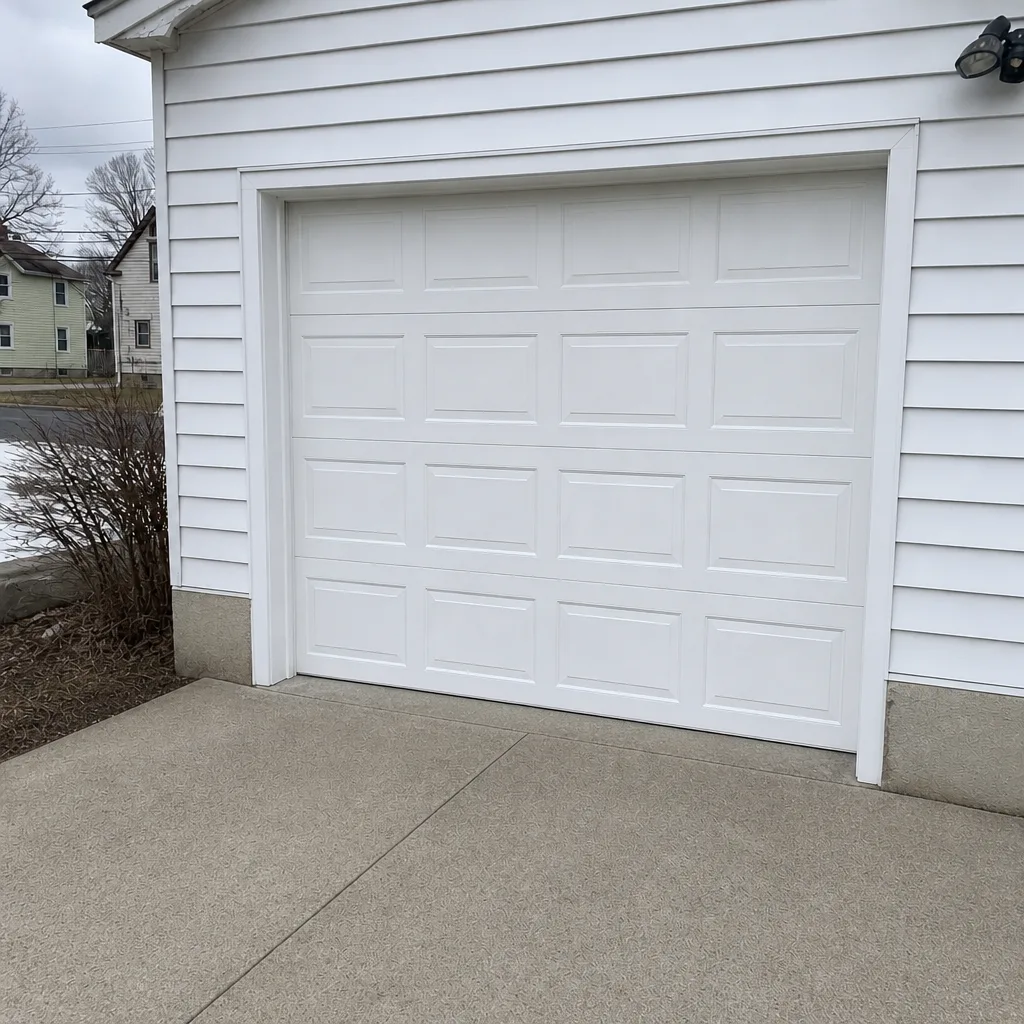
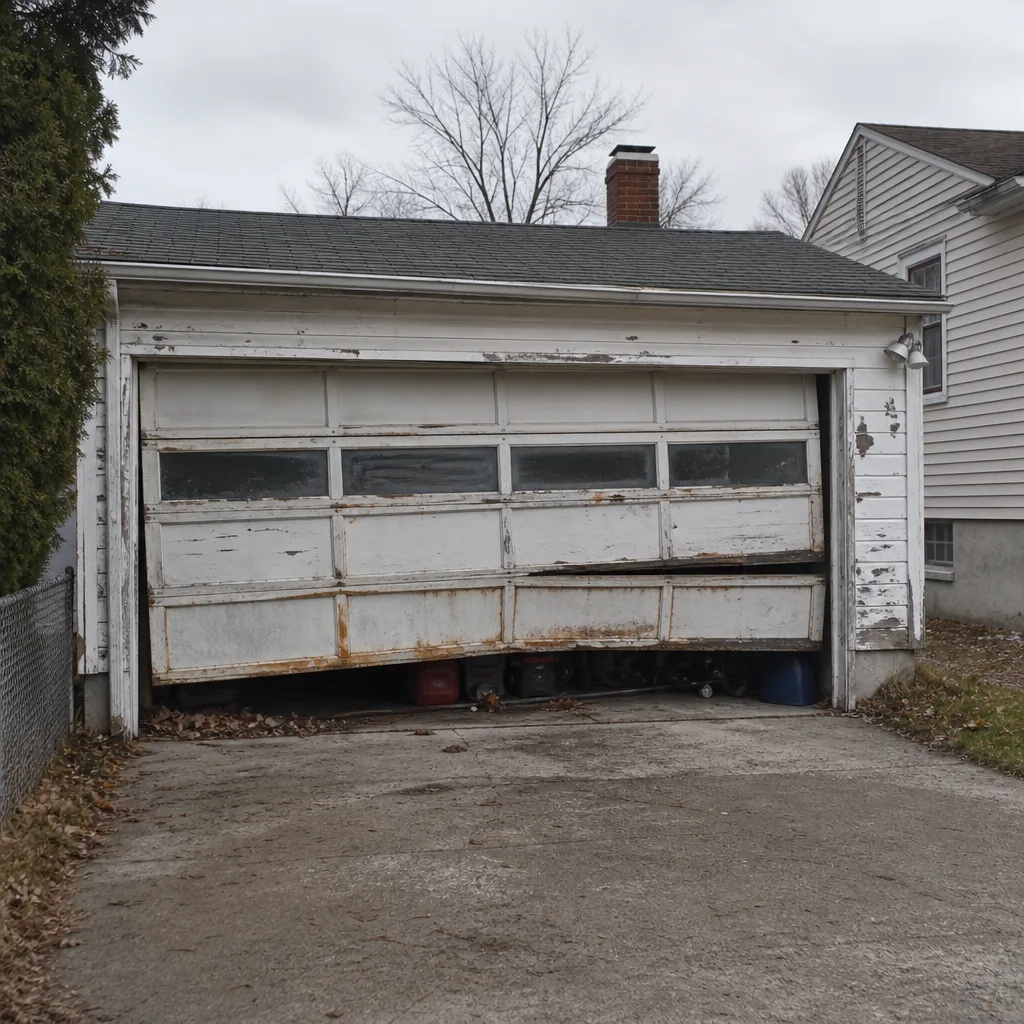
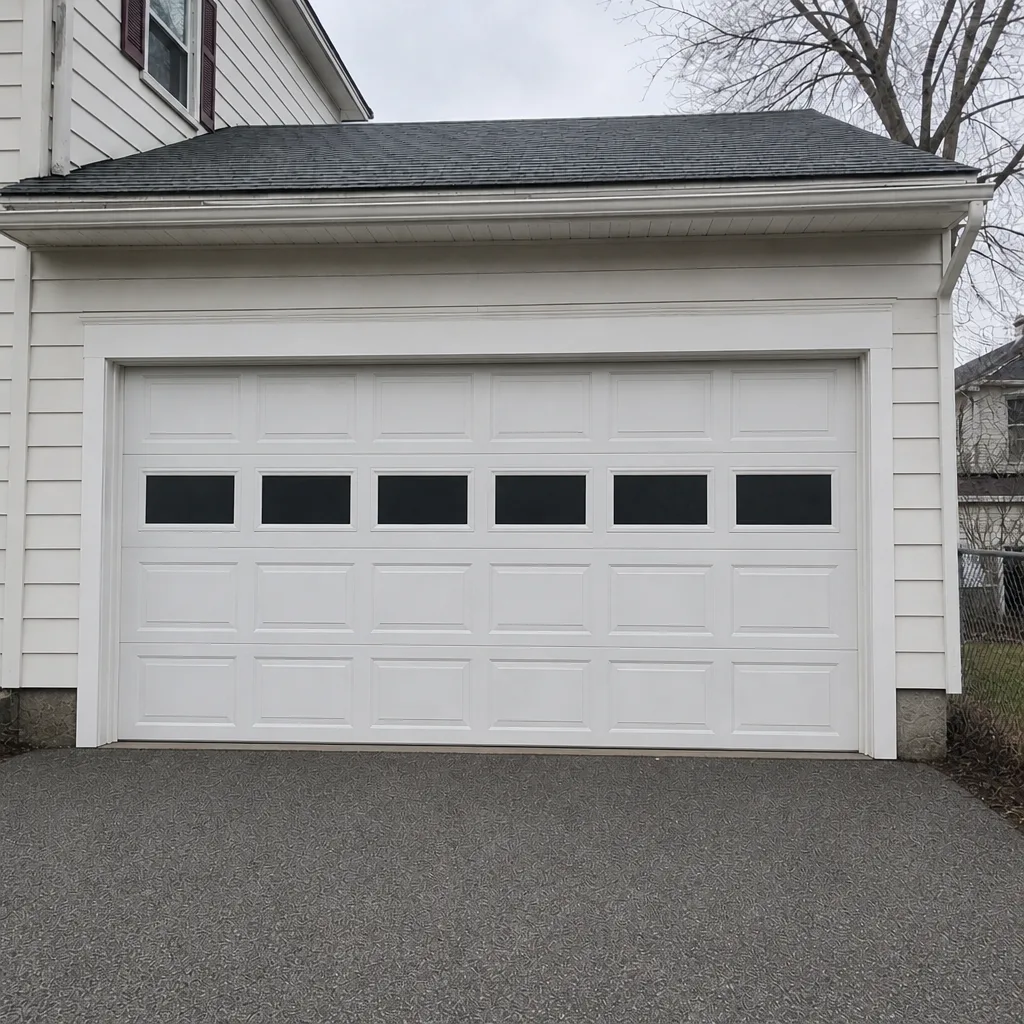
See the difference
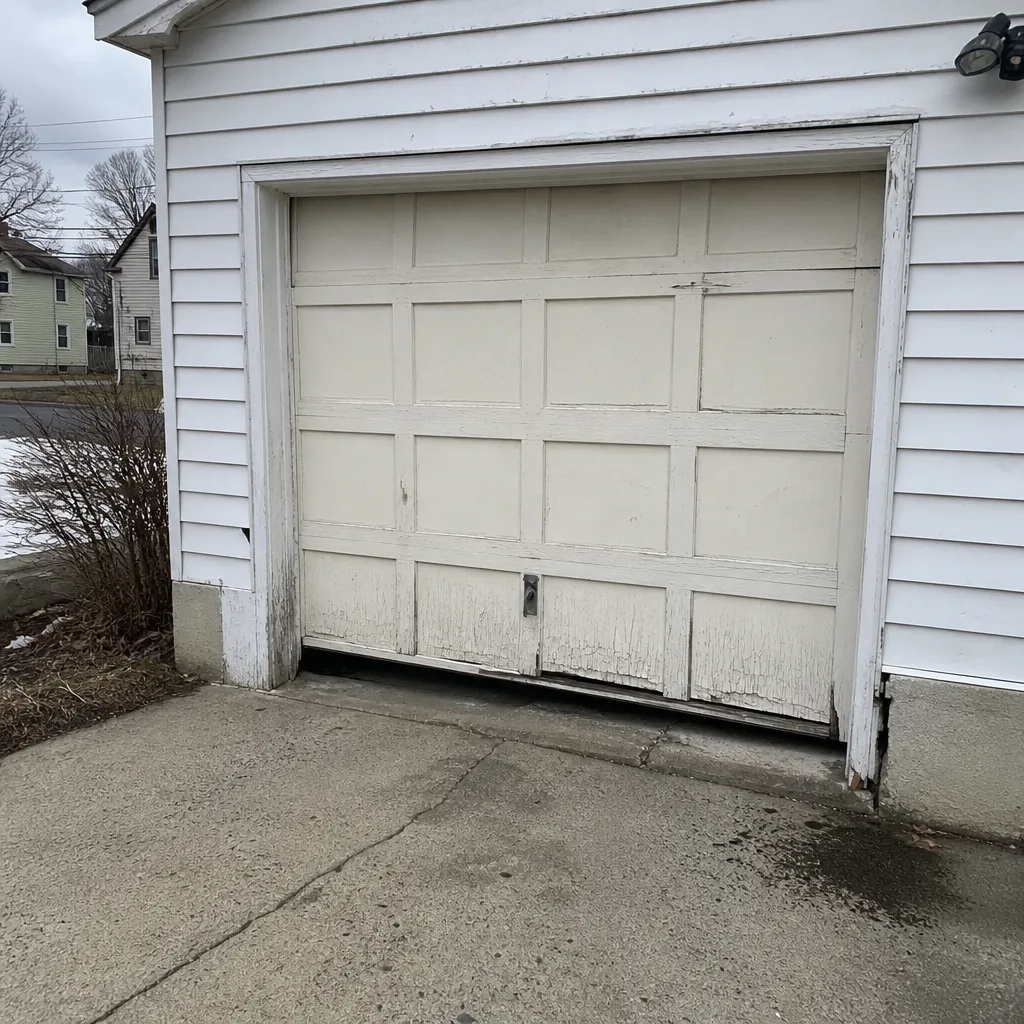 Before
 After
 Before
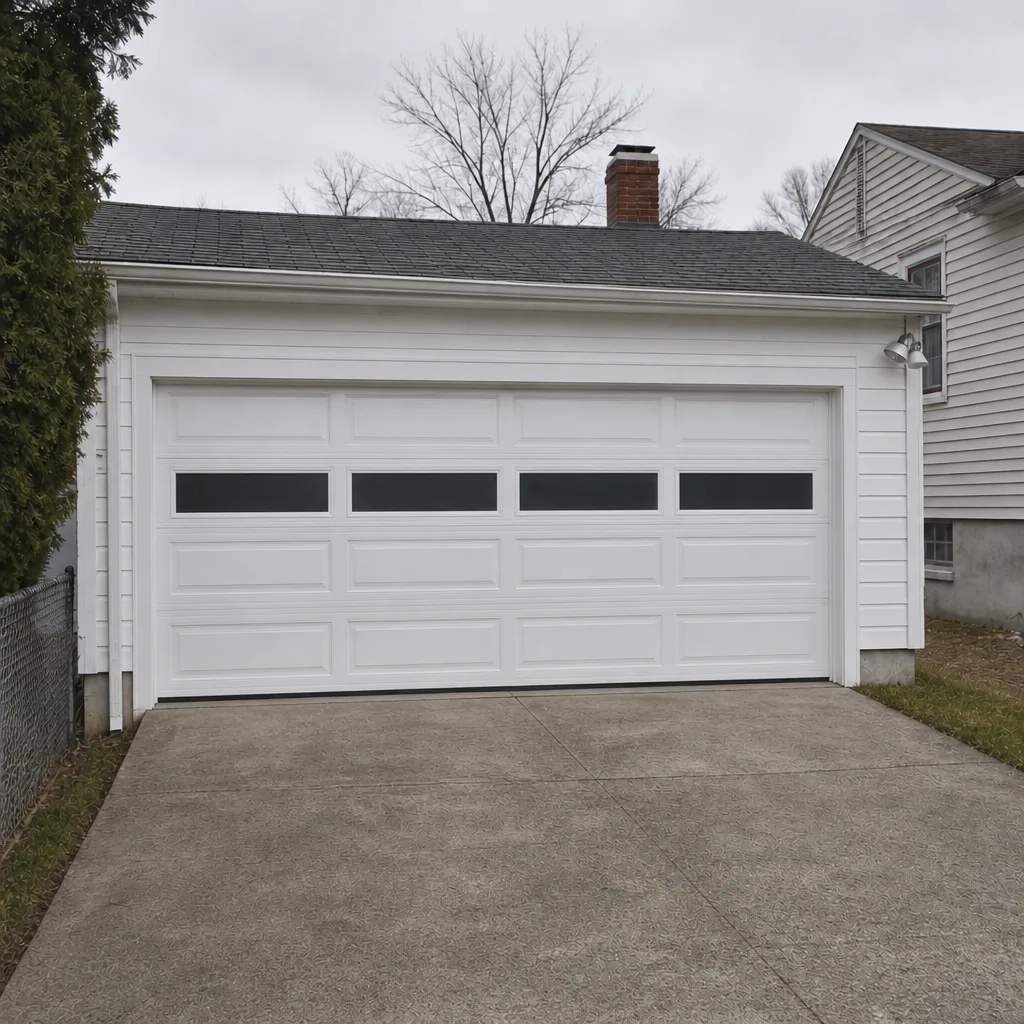 After
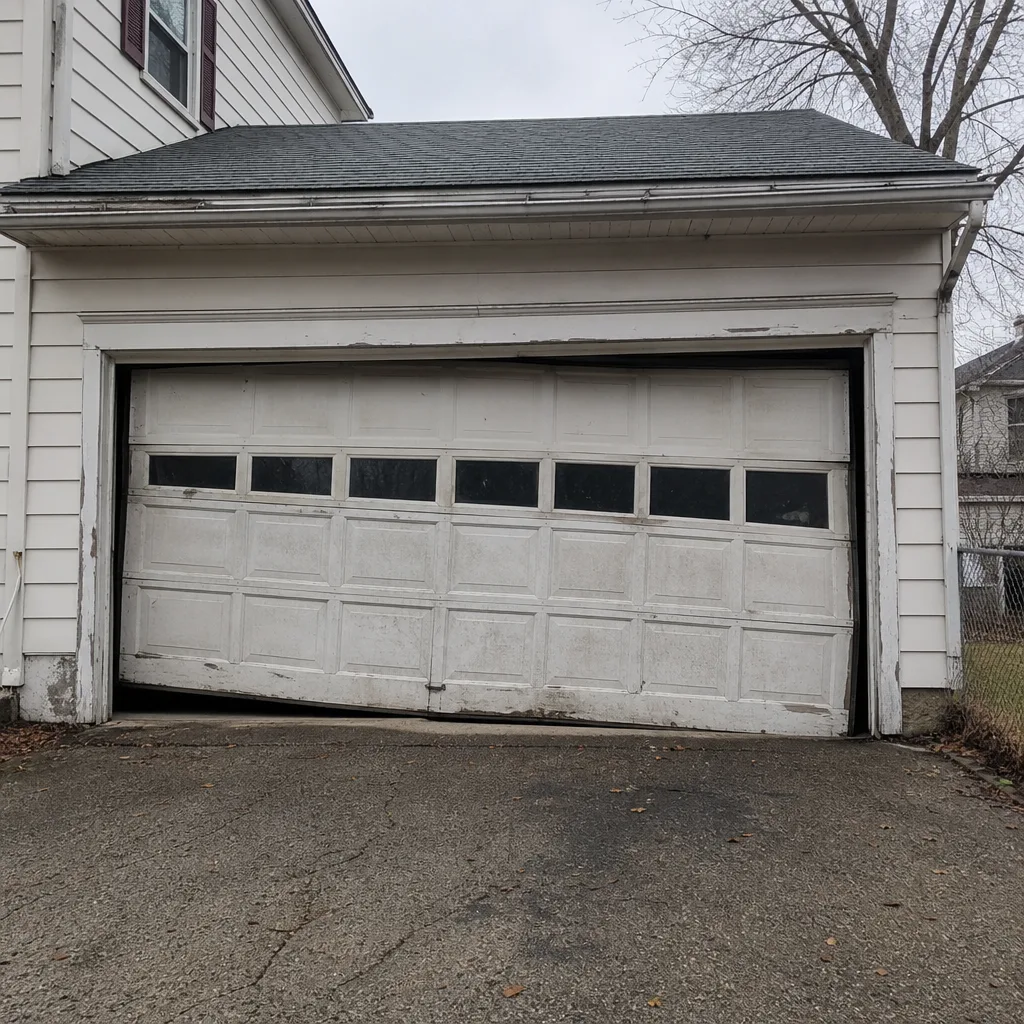 Before
 After
When to Call a Professional
Call us if a spring is broken or visibly stretched, if the door is scraping or binding, if the opener strains or reverses when it shouldn’t, if a cable looks frayed, or if the safety reverse fails its test. Those are the cases where going further yourself can cause injury or a bigger repair bill. For the simpler seasonal checks, you can do plenty on your own, and we’d rather you know when to stop. Chicopee Garage Door Repair Co offers free estimates in Chicopee. Call (877) 401-9972. We work on garage doors and openers only, and we know the brands that are already in your garage. When your garage door is the front door, one call covers it: opener, spring, door repair, or a full replacement, without a referral out to anyone else.
Frequently Asked Questions
Check them visually at every seasonal change and have a professional look once a year. Chicopee’s freeze-thaw cycle puts extra stress on springs because the door’s balance shifts as the ground moves, so an annual check matters more than in a mild climate. If you hear a bang from the garage or the door feels very heavy, check immediately and stop using the door. Call (877) 401-9972 for an estimate.
Yes, if the door is only stuck at the seal. Free the bottom edge by hand or with a plastic scraper, warm the seal gently if needed, and clear the sensor lenses. If the door still won’t move after the seal is free, it’s a mechanical problem, not ice, and it needs a professional. Call (877) 401-9972 for an exact quote.
Because the freeze-thaw cycle moves the ground and the tracks with it. Winter cold stresses the door, but the thaw that follows is when alignment shifts, hardware loosens, and a door that managed through February starts scraping in April. Inspect tracks and hardware after the last frost. Call (877) 401-9972 for an estimate.
Summer. Conditions are most stable with no ice and no ground movement, and a tune-up then catches problems before they turn into winter emergencies. It’s also the smoothest time for a replacement or new installation to be measured and scheduled. Call (877) 401-9972 for a free estimate.
The independent local professionals we connect you with are licensed and insured as their state requires, and they work on garage doors and openers specifically. Our technicians have up to 13 years of experience. Call (877) 401-9972 for an estimate.
No. The written estimate sets the final price, and the cost is quoted and agreed before any work starts. The seasonal checks in this guide are things you can do yourself; anything that needs a part or an adjustment gets a clear quote first. Call (877) 401-9972 – estimates are free.
The Bottom Line
Your Chicopee garage door faces four distinct stress seasons, not one long winter. Fall is for balance checks and getting the springs and seals ready before the cold. Winter is about freeing ice gently and not letting the opener take the force. Spring is when tracks and hardware need a look after the ground shifted. Summer is the quiet season, and the right one for a tune-up. Do the short seasonal check each time, leave the springs and cables to a trained technician, and you’ll spend less time stranded and less money on emergency calls. Our technicians have up to 13 years of experience with the brands that are already in homes around Chicopee. When you need a hand with Chicopee Garage Door Repair Co, call (877) 401-9972 for a free estimate.
Written by the team at Chicopee Garage Door Repair Co.