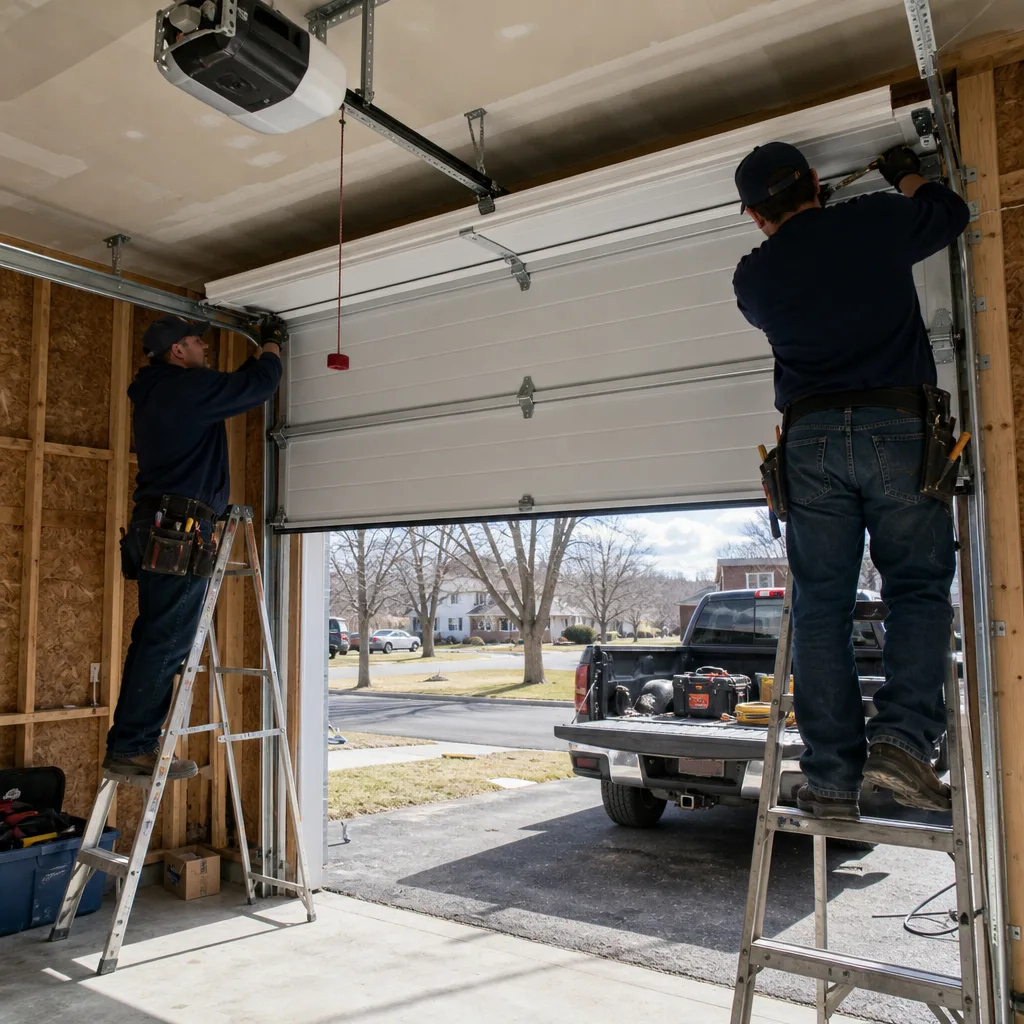
Last updated November 23, 2026
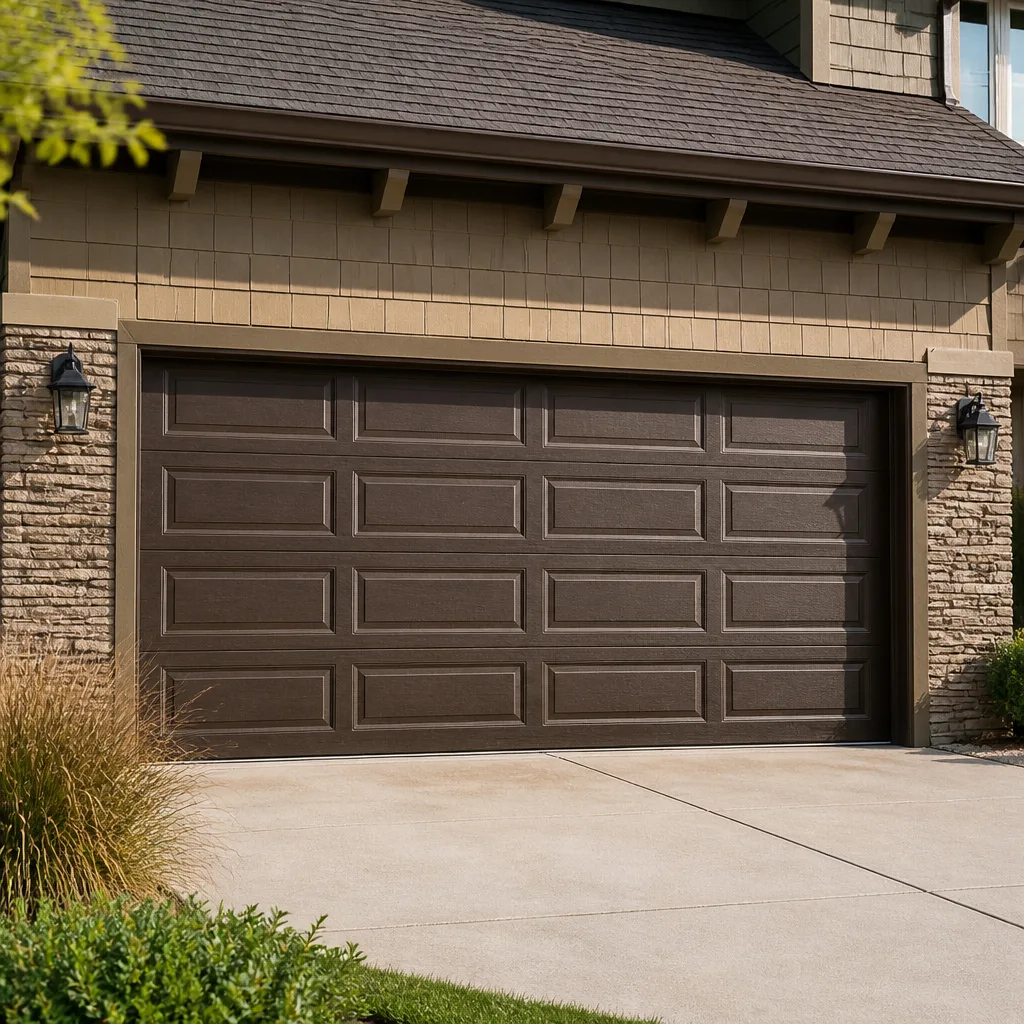 Raised-panel steel
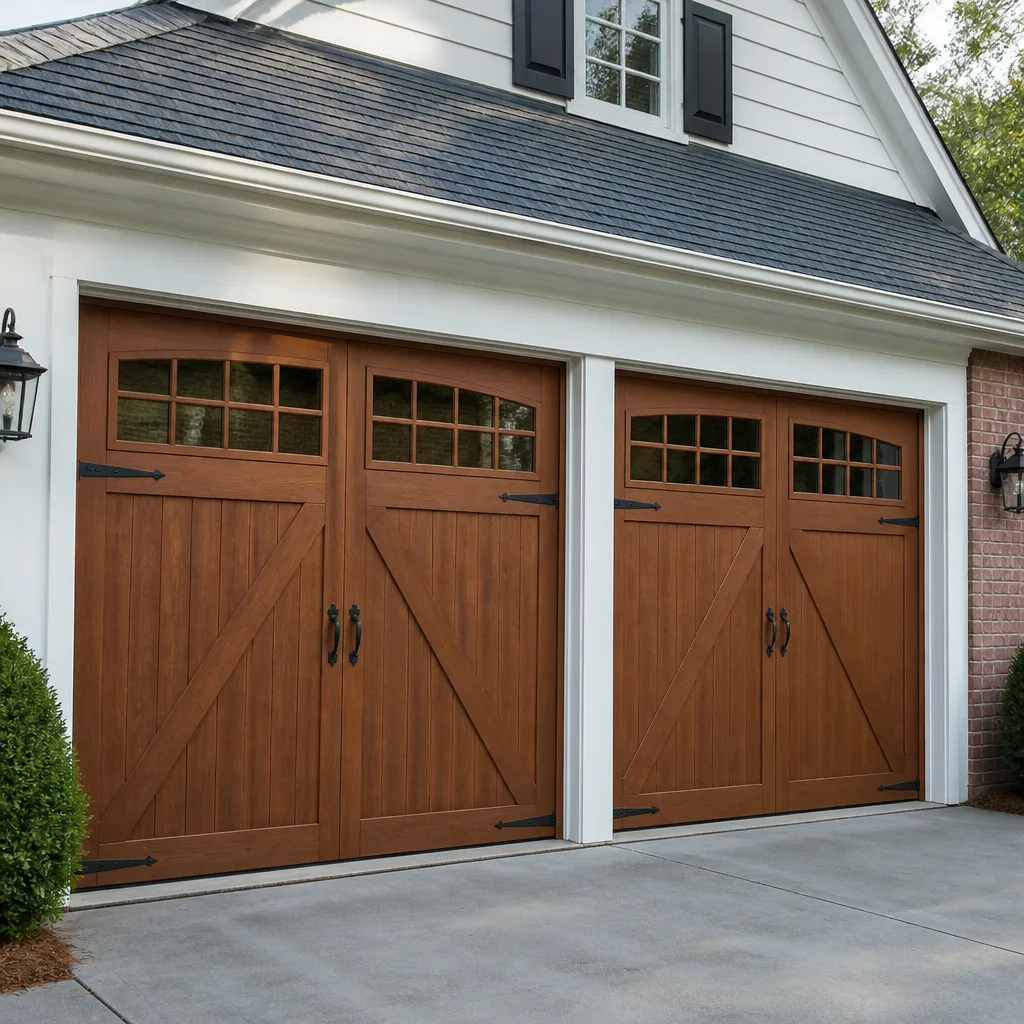 Carriage house
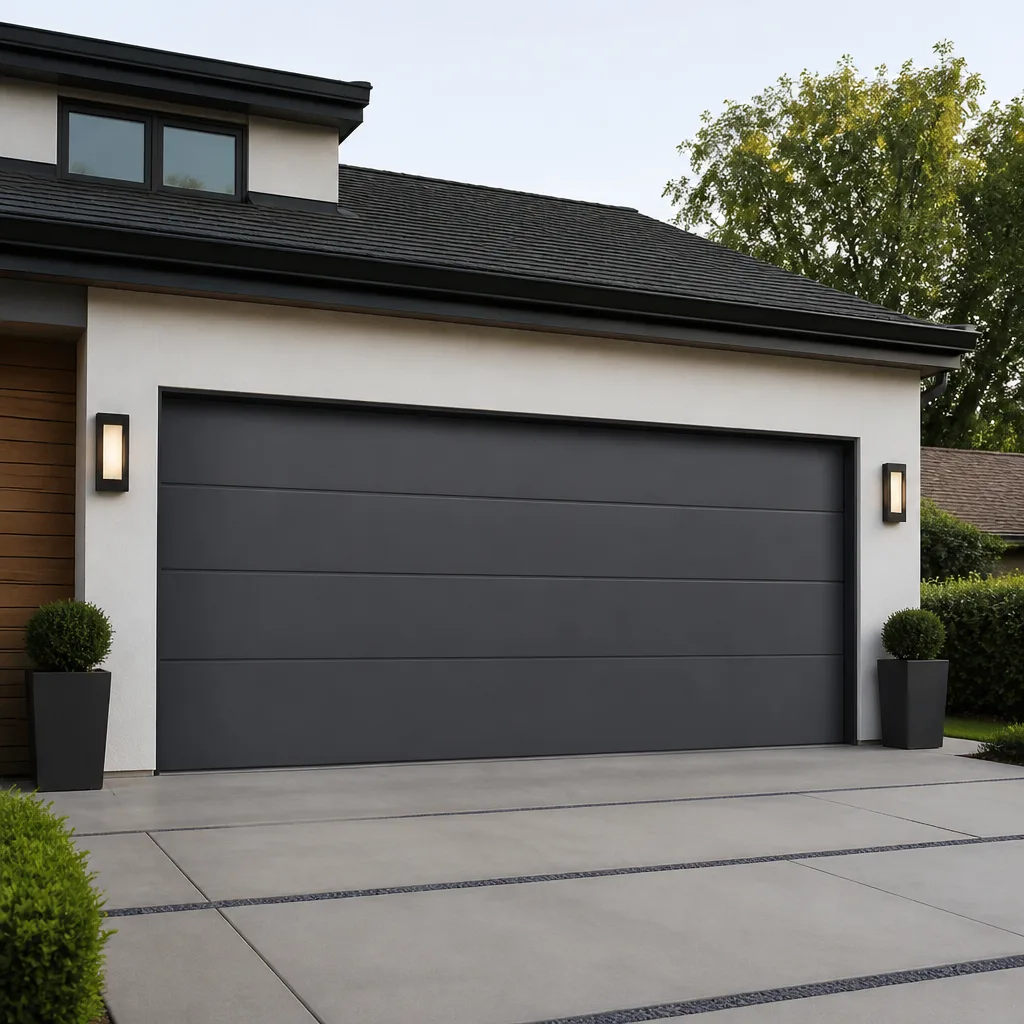 Modern flush
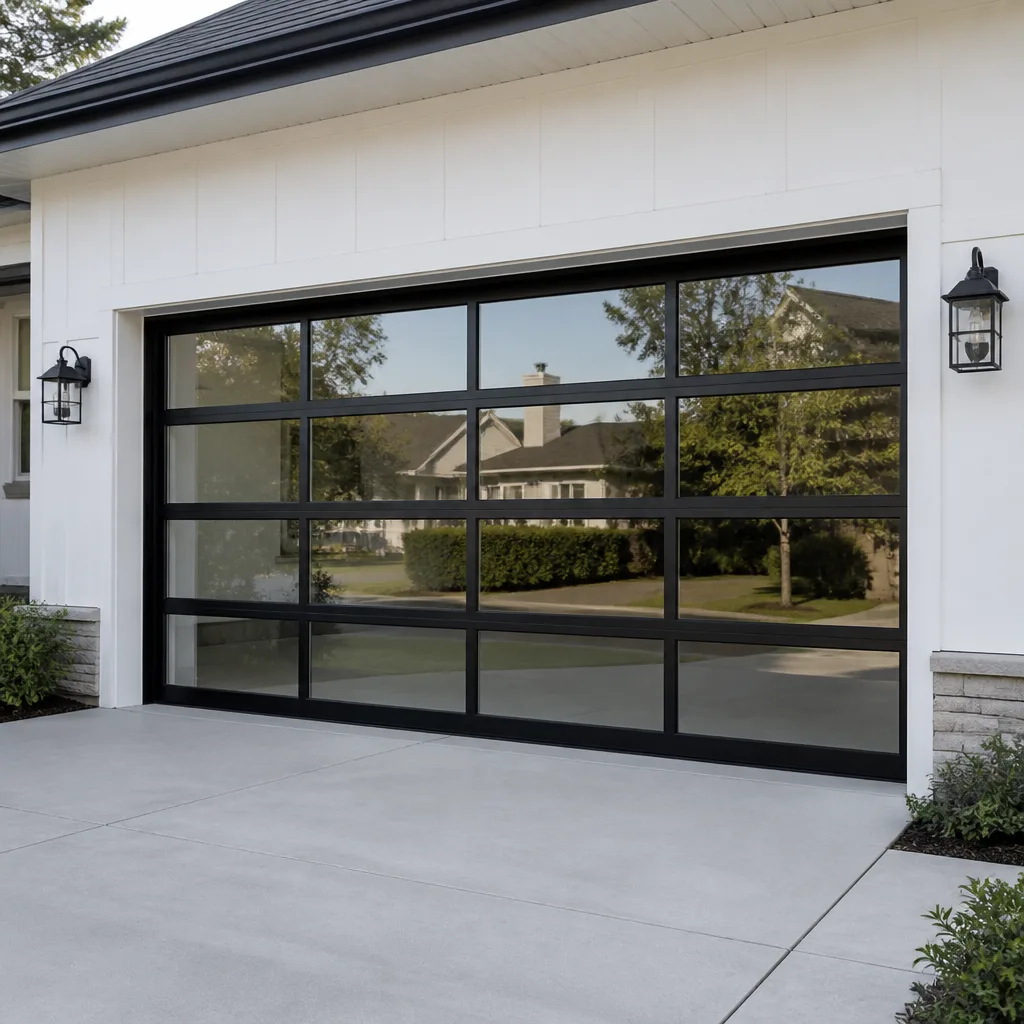 Full-view glass
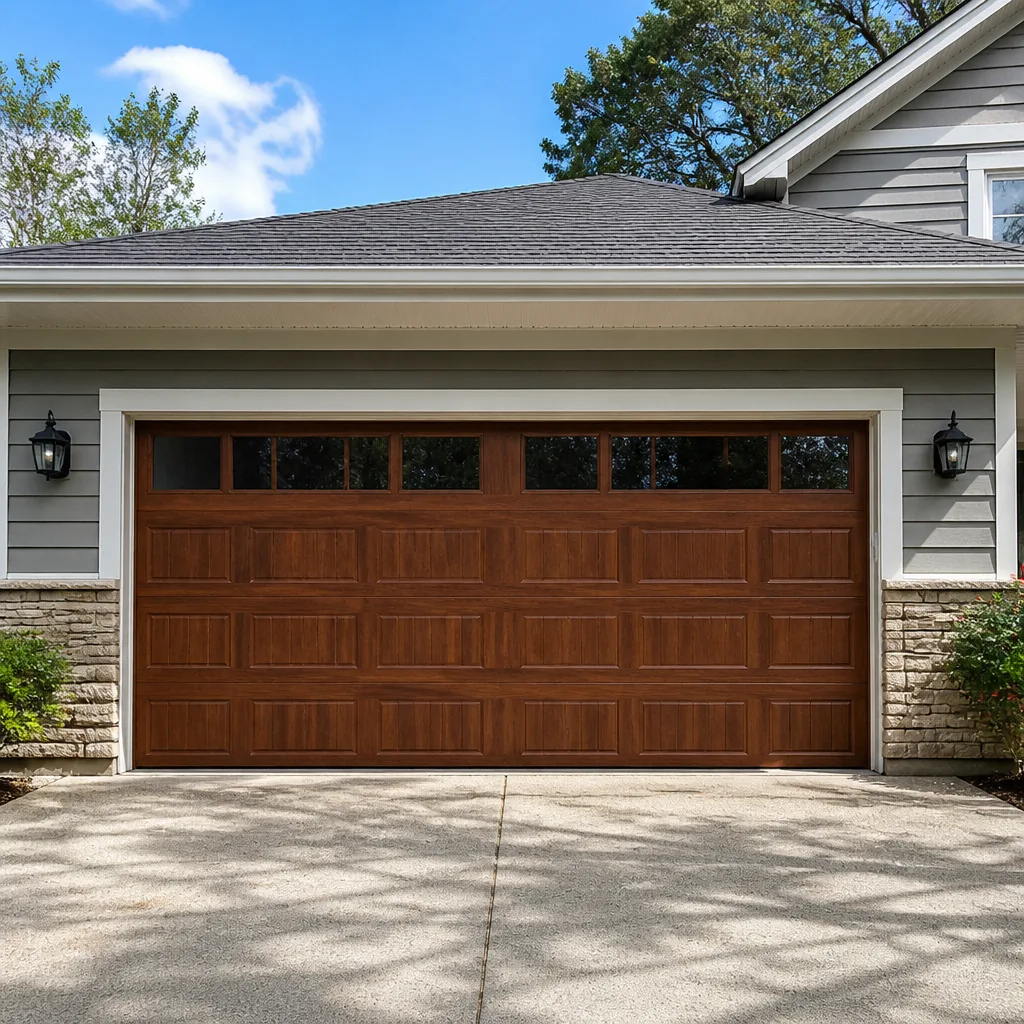 LiftMaster openers
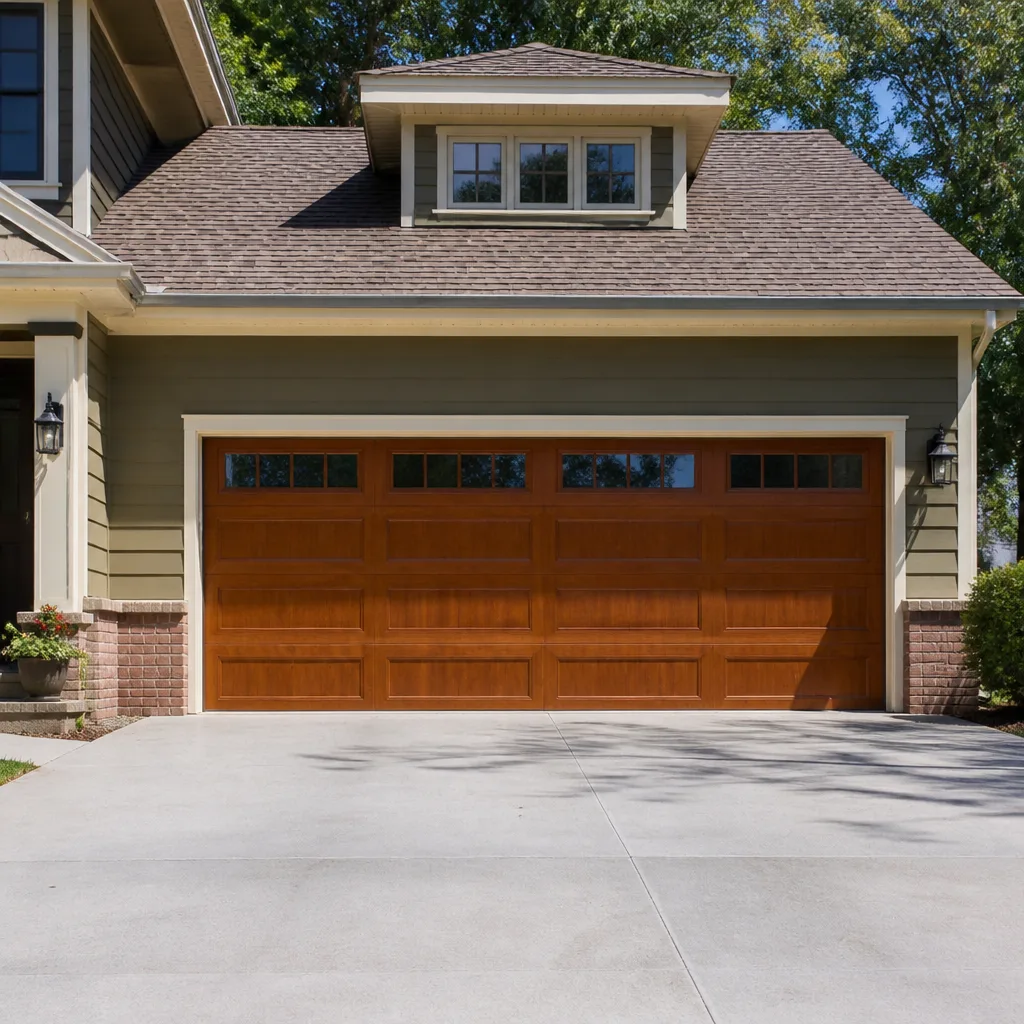 Chamberlain openers
Full 25-point door and opener safety check with every visit - springs, cables, rollers, tracks, and your LiftMaster or Chamberlain opener included
You get a price before we start. It does not change when the pro arrives.
Get your free estimateHow to Hire a Garage Door Contractor in Chicopee: A Step-by-Step Guide
The most common garage door scam isn’t a fake repair. It’s a real repair you didn’t need. A technician replaces the $30 cable when the actual problem is a worn $12 roller, bills you for both, and the door still grinds on the way up. The diagnosis was wrong, the parts list grew, and you paid for someone’s guess. That’s how it usually works, and it’s why choosing a contractor in Chicopee comes down to filtering for diagnosis accuracy, not just a friendly phone voice. This guide walks through the questions that expose whether a contractor actually knows your brand, the red flags to catch on the phone and at the door, and what a legitimate written estimate looks like.
Quick Answer
Hiring a garage door contractor in Chicopee means confirming three things before anyone touches the door: that they specialize in garage doors rather than general handyman work, that they can name and diagnose the specific brand you own, and that they’ll put a written, itemized estimate in your hands before work begins. A specialist diagnoses the actual failure, quotes it in writing, and won’t hand you a vague number that grows once the door is off its track. Anything short of that is a gamble on your door, your opener, and your checkbook.
Styles & brands we work with
- Raised-panel steel
- Carriage house
- Modern flush
- Full-view glass
- LiftMaster openers
- Chamberlain openers
Table of Contents
- Specialist vs. General Contractor: Why Diagnosis Accuracy Matters
- Four Questions to Ask Before You Book
- What a Legitimate Estimate Looks Like vs. a Vague Quote
- Licensing and Insurance in Massachusetts
- Red Flags on the Phone and at the Door
- What a Trustworthy Technician Does in the First Five Minutes
- Chicopee-Specific Factors: Weather, Housing, and Older Doors
- Common Mistakes to Avoid
Specialist vs. General Contractor: Why Diagnosis Accuracy Matters
A garage door is a balanced mechanical system under constant spring tension, and the failure you see from the driveway is rarely the failure that’s actually happening. That gap is where diagnosis errors live. A handyman who’s handy with a drill can swap a hinge or tighten a bracket, but reading a torsion spring that’s lost tension, spotting a bent track pulling a roller out of alignment, or hearing a worn gear in an opener takes repeated exposure to the same equipment. Specialists see these systems every working day; generalists see them occasionally and guess at the rest.
Chicopee has plenty of older homes with original or long-serving doors, and those setups punish guesswork. A door that was installed decades ago may have a spring system, drum, and cable configuration that doesn’t match what a generalist expects from a newer door. Misread the tension or the balance, and a repair that should cost a single part turns into a full hardware replacement. The diagnosis is the job. Everything after it is labor.
What a garage door specialist actually brings
- Brand fluency. We work on what you already have, and that means knowing the quirks of LiftMaster and Chamberlain openers, Genie logic boards, and Clopay panel construction rather than treating all doors as interchangeable.
- Safety knowledge for high-tension parts. Springs and cables store serious energy. Spring repair is a named, dedicated service for us, and we handle it correctly instead of hoping a generalist can manage it.
- Full-lifecycle range. Opener repair, spring repair, door and panel repair, and complete new installation all sit under one company, so you’re not handed a referral the moment the problem gets specific.
- Emergency capability. When your garage door is the front door, waiting three days for a generalist’s next opening isn’t workable. Emergency service is core to what we do, not a paid add-on.
Where generalists add value is in the rest of the house. When the issue is confined to the door, the opener, or the spring system, one call covers it. That’s the trade-off Chicopee homeowners need to understand before they dial: breadth of service is not the same as depth in a system that can hurt you.
Four Questions to Ask Before You Book
These four questions do more filtering than any review site. They’re designed to surface whether the person answering actually works on garage doors for a living, or is reading from a script. Ask them on the phone, before you commit to an appointment. A specialist answers directly. A generalist hesitates, pivots, or promises to “take a look.”
- “What brand is my opener, and do you service it?” A specialist asks you back: what’s the model, or can you read the label on the back of the motor housing? A generalist says “we work on all of them” without asking a thing. Brand-specific knowledge is the giveaway. If you own a LiftMaster or Chamberlain myQ system, you want someone who knows the app and Wi-Fi pairing, not someone who’ll disconnect the smart features to “fix” a problem.
- “What does a spring repair include, and is it priced per spring or per door?” Springs typically come as a matched pair, so a pair costs about what two singles cost, and a contractor who can’t explain that clearly either doesn’t do the work or intends to blur the line on the invoice. This is one of the most botched jobs in the trade, and the answer tells you whether they take it seriously.
- “Will I get a written, itemized estimate before work starts?” The only correct answer is yes. A verbal “somewhere around” with no paper is a quote designed to expand on-site. Ask what the estimate covers: parts, labor, disposal of the old spring, and anything conditional.
- “If the door needs a part you don’t have, what happens?” A specialist tells you the plan: diagnose fully, quote the part, schedule the return. A generalist improvises. Vague answers here mean the visit will end with a second appointment and an unclear price.
One more that’s worth tacking on: “Can you tell me roughly what this usually runs?” A specialist can give you a typical range on the phone and note that the written estimate sets the final price. If the number is either suspiciously low or refused entirely, keep dialing. Our Chicopee Garage Door Repair Co team fields these questions daily and never treats them as an inconvenience.
What a Legitimate Estimate Looks Like vs. a Vague Quote
The difference between a legitimate estimate and a vague quote is specificity. A legitimate estimate is a document you could hand to a second contractor to compare. A vague quote is a number spoken aloud with adjectives around it. Chicopee homeowners should expect the first before any work begins, and the price should be quoted and agreed on paper before a single bolt moves.
What a real estimate includes
- The diagnosis in plain language: what failed, why, and whether it’s a symptom of something else.
- Line items for parts and labor, listed separately.
- The brand and type of replacement part, not just “spring” or “cable.”
- A note on any conditional pricing: what changes the number and why, before it happens.
- Disposal or removal fees if old hardware is being taken away.
What a vague quote looks like
- A single round number with no breakdown: “$400, we’ll get it done.”
- Price stated before the diagnosis, based on your description over the phone.
- A low teaser figure that quietly grows once the technician is on-site and the door is apart.
- No paper. No written estimate. Verbal assurance that “it’ll be about that.”
Here’s the honest part: a technician can’t always know the full scope until the door is inspected. A bent track can hide a damaged roller; a noisy opener can mask a failing spring. That’s why a proper estimate accounts for what’s visible, quotes it, and clearly states that anything found beyond the quote will come back to you as a new written number before work continues. You should never learn the final price from the invoice. You should learn it from the estimate you agreed to.
A real garage door repair estimate also tells you what the technician checked and didn’t find. That absence of a problem is information too. If you want a number you can plan around, free estimates are the place to start, and they cost nothing.
Licensing and Insurance in Massachusetts
Massachusetts regulates home improvement contractors at the state level, and the requirements are worth understanding before you hire. Anyone doing residential contracting work for pay in the state is expected to hold a Home Improvement Contractor registration through the Office of Consumer Affairs and Business Regulation, and to carry appropriate insurance. That registration isn’t a license in the traditional sense, but it’s the baseline the state uses to enforce consumer protections and resolve complaints. Ask any contractor you’re considering for their registration number, and confirm it independently rather than taking a verbal yes.
Insurance is the second half of the equation, and it’s where homeowners get hurt. If a technician is injured on your property without workers’ compensation coverage, or if your door is damaged and there’s no liability policy behind the company, you can end up holding the cost. Ask for a certificate of insurance and confirm it covers both general liability and workers’ comp. A legitimate contractor has it ready to send. A contractor who fumbles this question, or says insurance “isn’t needed for this kind of job,” is telling you something important.
For the local professionals we connect Chicopee homeowners with, the pro is licensed and insured as their state requires. That’s the standard to hold anyone to, and it’s worth five minutes of your time to verify. Related code questions, like whether a new door or opener installation requires a permit, belong to the City of Chicopee’s building department. Ask them directly rather than trusting a contractor’s guess, especially on structural changes to the opening.
What to request before booking
- Home Improvement Contractor registration number.
- Certificate of insurance for general liability.
- Workers’ compensation coverage confirmation.
- Written warranty terms for parts and labor, in writing, before work starts.
Red Flags on the Phone and at the Door
Red flags split into two categories: what you hear before you book, and what you see when the contractor arrives. Both matter, but the phone flags save you the most time. If the person answering can’t answer basic questions about your door, the visit won’t fix anything.
Red flags on the phone
- They quote a firm price before asking anything about your door, opener, or the symptom.
- They use phrases like “we work on all brands” without naming one.
- They push you toward a full door replacement before anyone has diagnosed the existing door.
- They can’t produce a registration number or insurance certificate when asked.
- They pressure you to book now with urgency language: “price goes up tomorrow,” “this rate ends today.”
Red flags when they arrive
- No written estimate before tools come out.
- A diagnosis that contradicts the symptom you described, with no explanation of why.
- A parts list that grows as the visit goes on, with no new quote for each addition.
- Reluctance to let you look at the parts they’ve removed, or to explain what failed.
- Trying to sell you a replacement door when a repair would resolve the problem.
One red flag gets its own mention: a technician who won’t explain the diagnosis in language you understand. A real specialist can walk any homeowner through what failed and why, because they see the failure pattern regularly. If the explanation is vague or seems designed to impress rather than inform, ask them to try again in plain terms. Their answer tells you a lot about how the rest of the visit will go.
What a Trustworthy Technician Does in the First Five Minutes
You can judge a garage door service call in five minutes. A trustworthy technician does the same handful of things in the same order, and those habits separate a professional diagnosis from a guess-and-replace routine.
- Talks to you before touching anything. What’s the symptom? When did it start? Does it happen every time or only sometimes? Those answers narrow the diagnosis before a single tool comes out.
- Runs the door through a full cycle. They’ll operate the door, watch the travel, listen for the sounds, and check the balance. An unbalanced door tells you a story about spring health and track alignment.
- Inspects the visible safety components. Springs, cables, rollers, hinges, and the photo-eye sensors at the bottom of the tracks. A technician who skips the safety check is cutting corners.
- Tells you what they found, then quotes it in writing. You’ll get the diagnosis and a written estimate before work begins. Anything conditional goes on paper too.
What a trustworthy technician does not do is start removing parts before you’ve agreed to the price, or move into a full replacement recommendation without diagnosis. And on the safety front: high-tension springs and cables are genuinely dangerous. They’re under enough load to cause serious injury, and we don’t recommend any homeowner attempt a spring or cable repair themselves. Spring repair is a job for a trained professional, full stop. We handle them correctly because there’s no safe shortcut. A service call that starts with someone tinkering with springs while you watch is a service call you should stop.
If your opener is failing rather than the spring, the same first-five-minutes logic applies. A technician should check the opener’s logic board, safety reverse, and remote pairing before recommending replacement. Our garage door opener repair service exists for exactly that, and it’s the reason we service both legacy systems and smart-home integrated ones.
Chicopee-Specific Factors: Weather, Housing, and Older Doors
Chicopee’s climate is a real factor in garage door wear, and it’s not something a generic hiring guide will tell you. The Connecticut River valley brings hot, humid summers and cold winters that swing hard. That freeze-thaw cycling puts seasonal stress on steel doors, tracks, and the hardware that holds them together. In the colder months, metal contracts and springs stiffen; in the humid summer, painted steel can rust along the bottom panel seam if drainage is poor. Wood-frame doors from older homes take on moisture during the wet season and can warp, throwing off balance.
The housing stock matters just as much. Chicopee has homes from many eras, and older doors often predate the spring systems, openers, and safety sensors that newer installations have. A specialist working in Chicopee sees a mix of legacy hardware and modern smart systems, sometimes in the same neighborhood. That’s why we work on what you already have rather than steering toward a replacement. Brand fluency isn’t a marketing line here; it’s how you diagnose a Genie opener with an old wiring run, or a LiftMaster system whose auto-reverse is failing because a sensor was bumped.
If you’re in a house that’s seen many winters, the door you’re looking at may not match what a spec sheet says it should be. Springs may have been mismatched over the years, tracks may be slightly out of alignment, and the opener may be a replacement from a decade ago. Hiring in Chicopee means hiring someone who expects those quirks and diagnoses them instead of assuming the door is factory-fresh. Our garage door spring repair team spends most of its time untangling exactly that kind of history.
Why the neighborhood matters less than the door
Chicopee is a city of distinct neighborhoods, and door age varies more within each one than most people expect. The safest approach is to let the technician inspect the actual hardware rather than guess based on the address. The door in front of you is the one that has to work.
Common Mistakes to Avoid
- Hiring a generalist because they answered first. A handyman can fix a loose handle, but garage doors are a safety-critical system. Diagnosis accuracy is what you’re paying for, and generalists misdiagnose more often than specialists.
- Accepting a verbal quote as the final price. In Chicopee, as anywhere, the number that matters is the one on the written estimate you agreed to before work started. A spoken estimate is a conversation, not a contract.
- Skipping the registration and insurance check. Massachusetts expects home improvement contractors to be registered and insured. Verifying takes minutes; skipping it can put the risk on you.
- Letting someone “take a look” before they quote. A look isn’t free if it ends with a parts list and a price you didn’t agree to. Free estimates should come with a written number, not a handshake and a bill.
- Assuming a noisy door means a new opener. Noise often traces to rollers, springs, or lubrication points, not the opener. A technician who jumps straight to replacement is skipping the diagnosis.
- Ignoring the opener brand you own. If your system is LiftMaster or Chamberlain myQ, brand-specific knowledge matters because pairing, troubleshooting, and replacement logic differ. Ask before you book.
- Waiting until the door fails completely in winter. Chicopee’s freeze-thaw cycle stresses hardware all season. A slow-to-rise door in fall is telling you something a February breakdown will make expensive.
See the difference
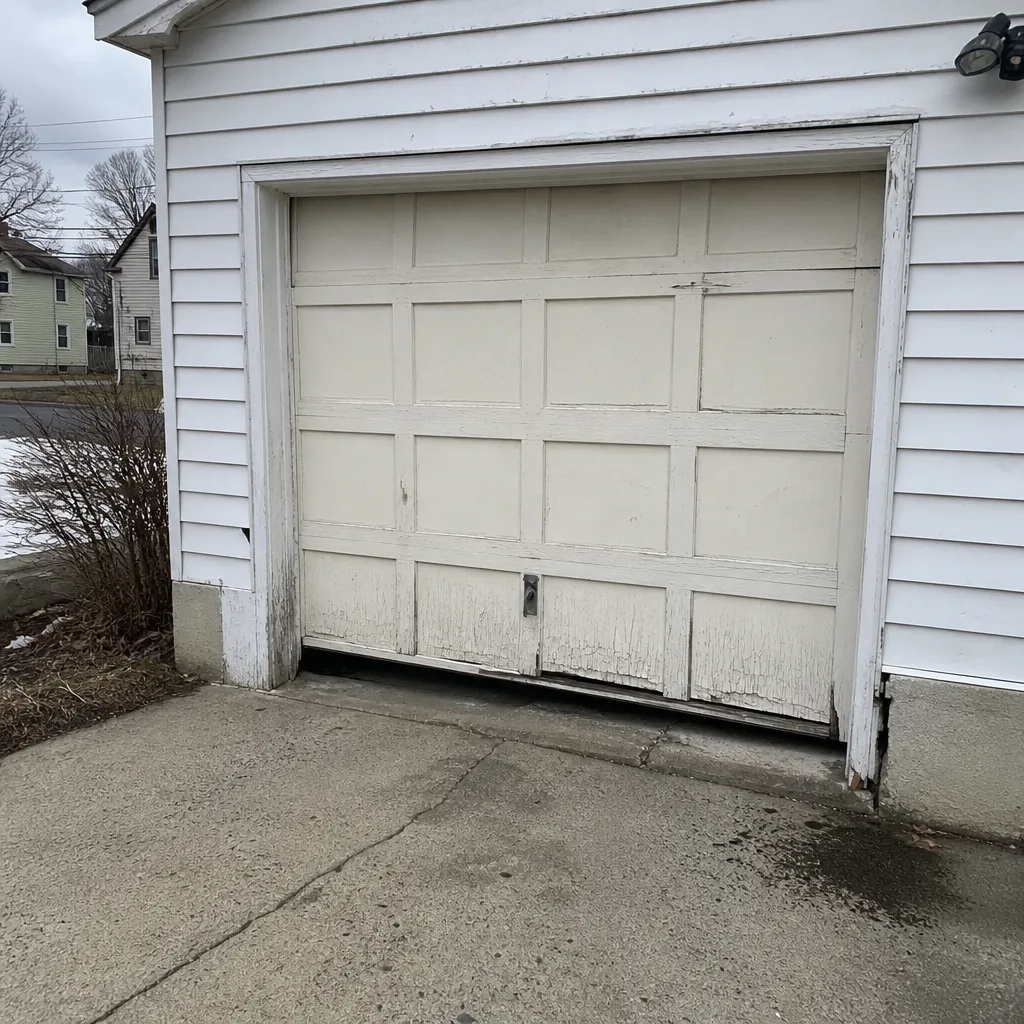 Before
 After
 Before
 After
 Before
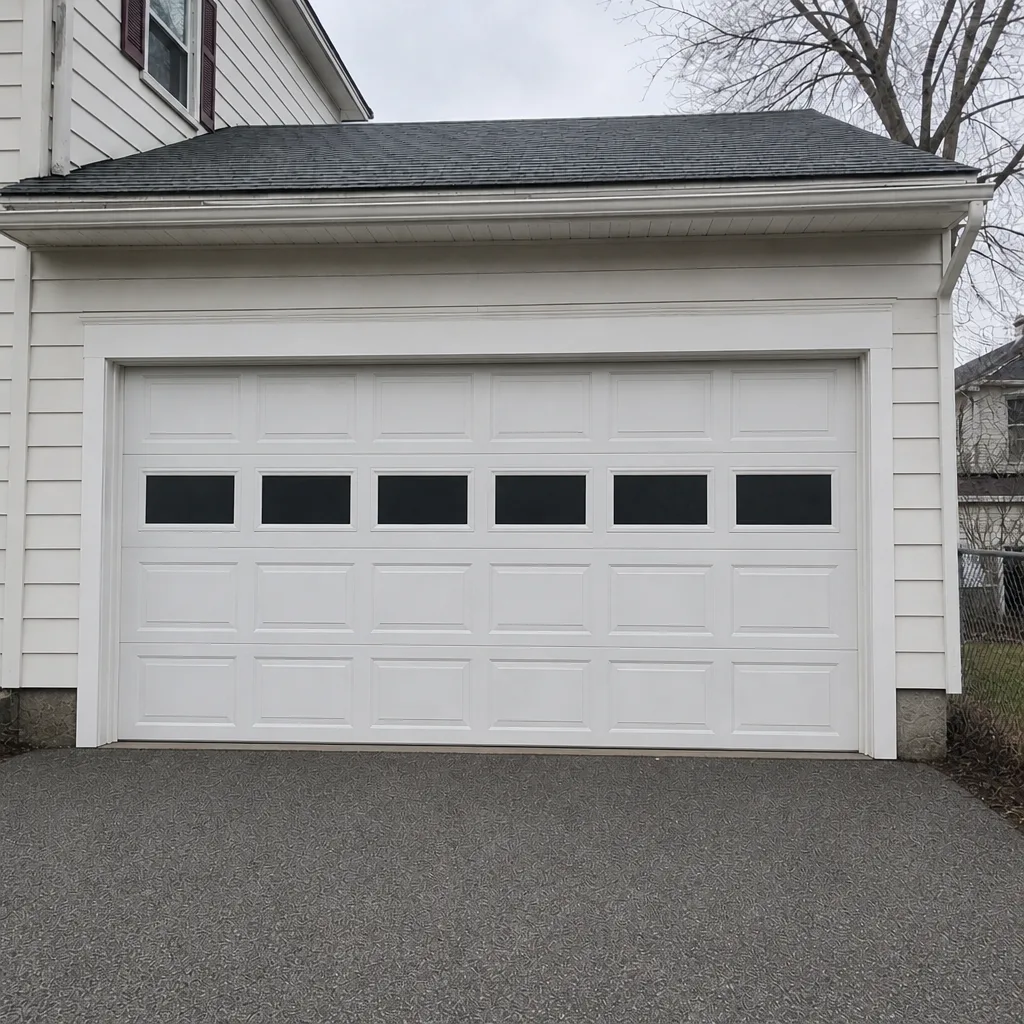 After
When to Call a Professional
Not every garage door oddity needs a same-day call, but some do and it’s worth knowing the difference. Call a professional immediately if the door won’t stay up, if a spring is visibly broken or a cable has snapped, if the door came off its track, or if it closes on something it shouldn’t. These are safety issues first and repair issues second. Also call if the door cycles but won’t run to the floor, if the opener clicks without moving the door, or if the remote stopped working and the wall button still runs it. Those symptoms narrow to specific components a specialist can test.
Cosmetic issues like a scratched panel can wait. Functional problems that involve springs, cables, tracks, or the opener’s safety reverse should not. If your door isn’t working and it’s the main way in and out of the house, emergency service is there for exactly that. Chicopee Garage Door Repair Co offers free estimates in Chicopee, and we can tell you over the phone whether your symptom is a safety issue or a scheduled repair. Call (877) 401-9972.
Frequently Asked Questions
The clearest test is the written estimate. A legitimate contractor diagnoses the door, writes out an itemized estimate with parts and labor listed separately, and quotes the price before work begins. They can produce a Massachusetts Home Improvement Contractor registration and a current insurance certificate on request. If any of those are missing or fumbled, that’s your answer. Call (877) 401-9972 for a free estimate and see what the process looks like.
Repair costs vary by the failure, and the range depends on the parts and labor involved. The written estimate sets the final price, so nothing should surprise you once work starts. Spring repair is the most common significant job, and it’s handled as a dedicated service rather than an afterthought. Call (877) 401-9972 for an exact quote; estimates are free.
Emergency service is part of our standard offering, and a stuck door that’s your main point of entry is a genuine emergency. We’ll tell you honestly on the phone what’s possible, and if we can’t get to you safely today, we’ll say so. Call (877) 401-9972 and describe the problem.
It shouldn’t. The estimate you agree to is the price you pay for the work described. If the inspection turns up something beyond that scope, you’ll get a written number for the additional work before any of it proceeds, so you decide whether to go ahead. Call (877) 401-9972 to schedule a free estimate with that understanding up front.
If it’s LiftMaster, Chamberlain, Genie, Clopay, Amarr, Wayne Dalton, Craftsman, or Raynor, yes. We’re trained across those systems, which means we can diagnose brand-specific failures rather than swapping parts until something works. That includes smart-home integrated models with app control. Call (877) 401-9972 and tell us what you own.
No, and this is the one item on the list we’ll be blunt about. Springs and cables are under high tension and hold enough energy to cause serious injury, and the repair requires specific tools and technique. Spring repair is a job for a trained professional. Call (877) 401-9972 and let someone do it safely.
The local professionals we connect you with are licensed and insured as their state requires, and our technicians have up to 13 years of experience. Ask for the registration and insurance certificate before booking and you’ll get straight answers. Call (877) 401-9972 with any questions about credentials.
The Bottom Line
Hiring a garage door contractor in Chicopee is a filtering exercise, and the filter is diagnosis. Look for a specialist who can name your brand, explain the failure, and put a written estimate in your hands before work begins. Verify the Massachusetts registration and the insurance, ask the four booking questions, and treat a vague quote as a warning rather than a bargain. A contractor who knows the door earns the job; a contractor who guesses will cost you more than the repair. One call covers the diagnosis, the estimate, and the fix, and we’re ready when you are.
If you’ve got a door that needs a real diagnosis or you’re comparing estimates and want a second opinion, reach out. Chicopee Garage Door Repair Co offers free estimates in Chicopee, and our team answers questions like these all day. Call (877) 401-9972 for a free estimate and a written price before any work starts.
Written by the team at Chicopee Garage Door Repair Co.