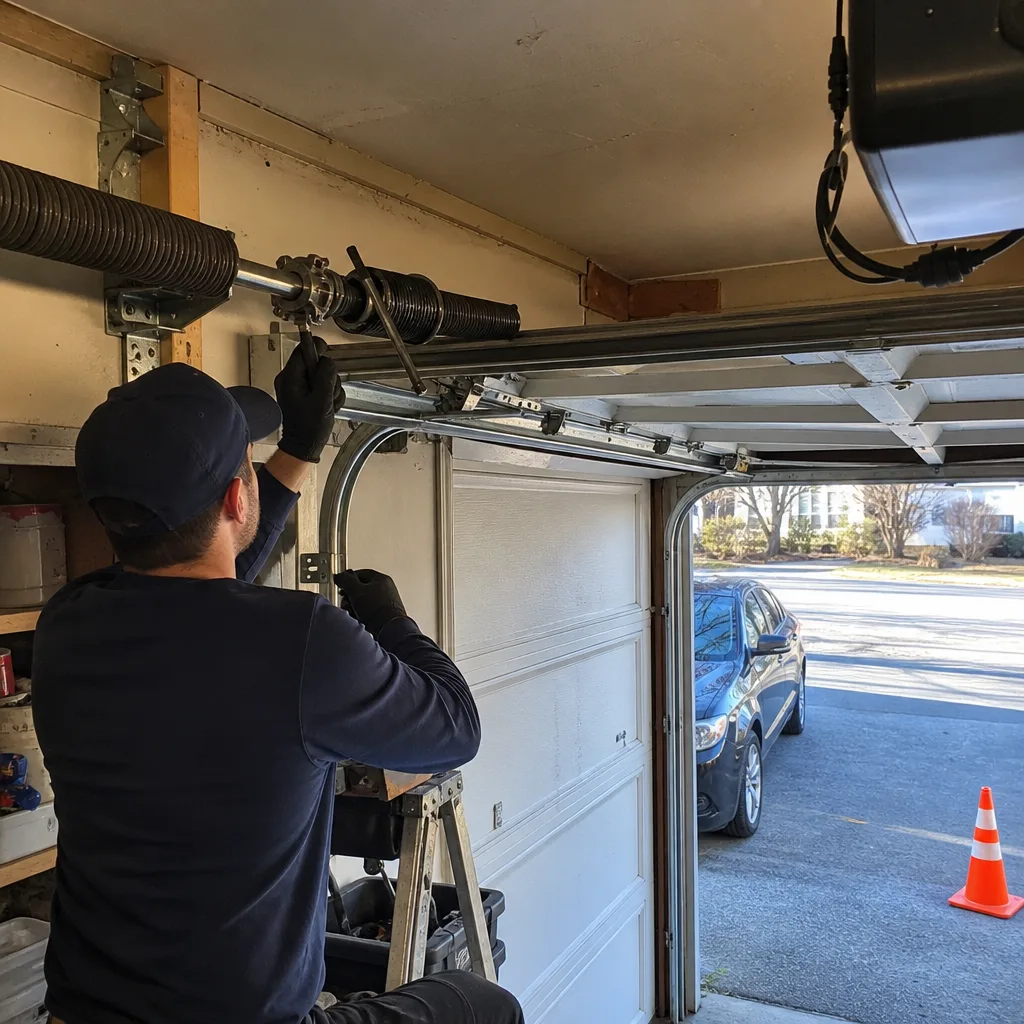
Last updated November 23, 2026
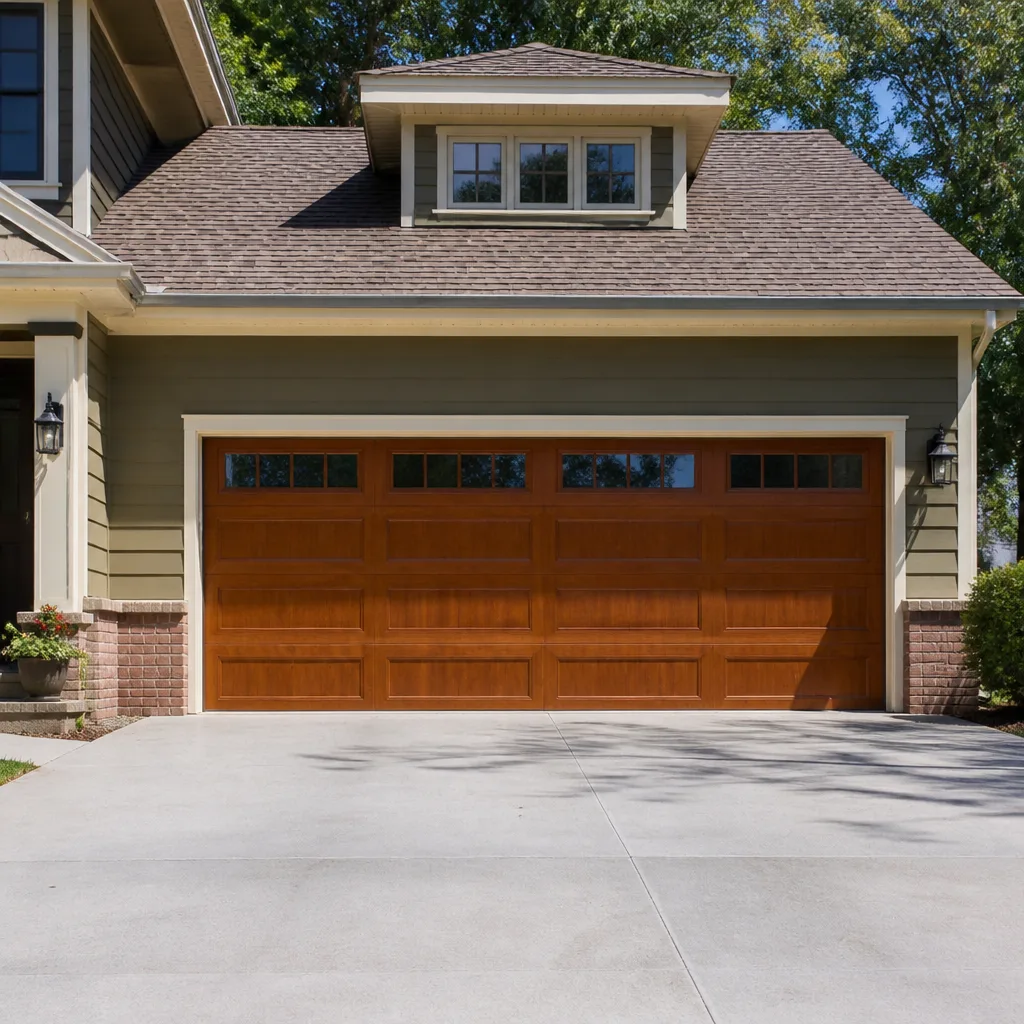
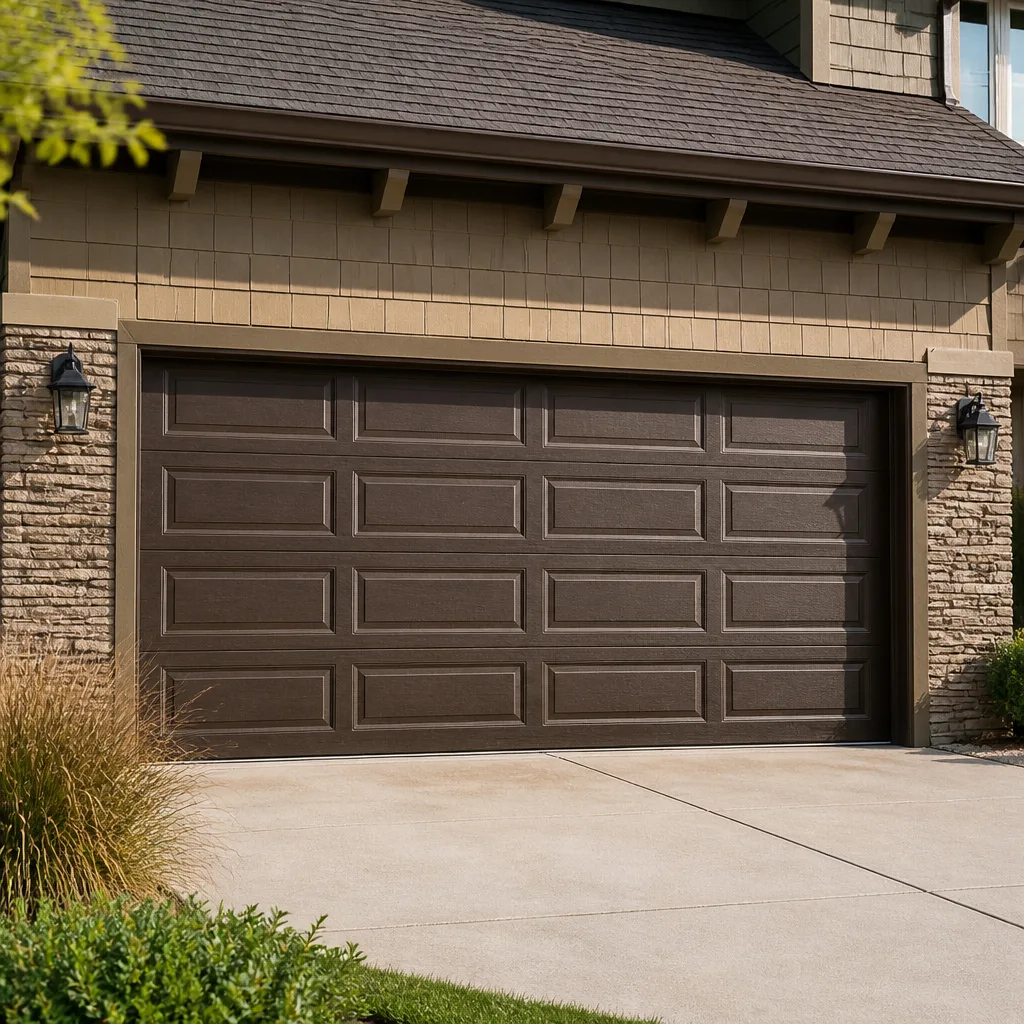 Raised-panel steel
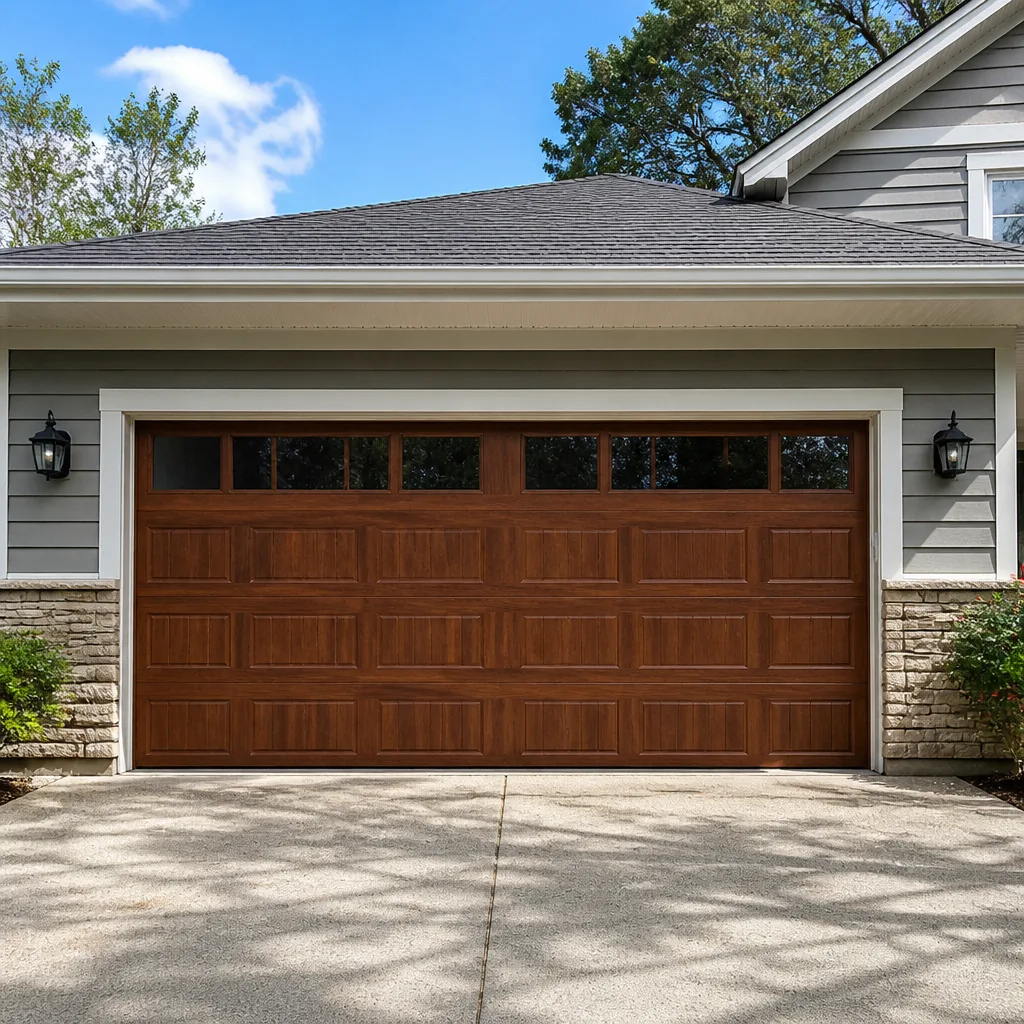
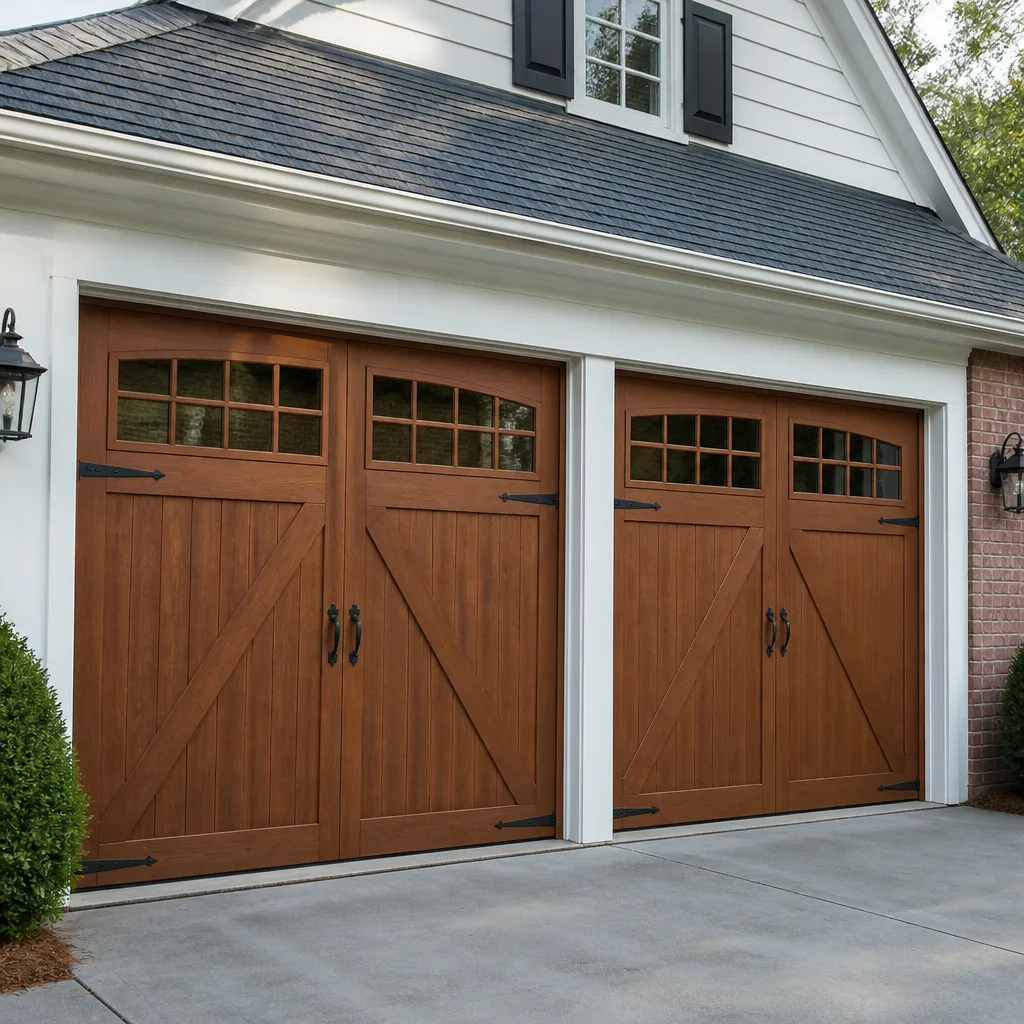 Carriage house
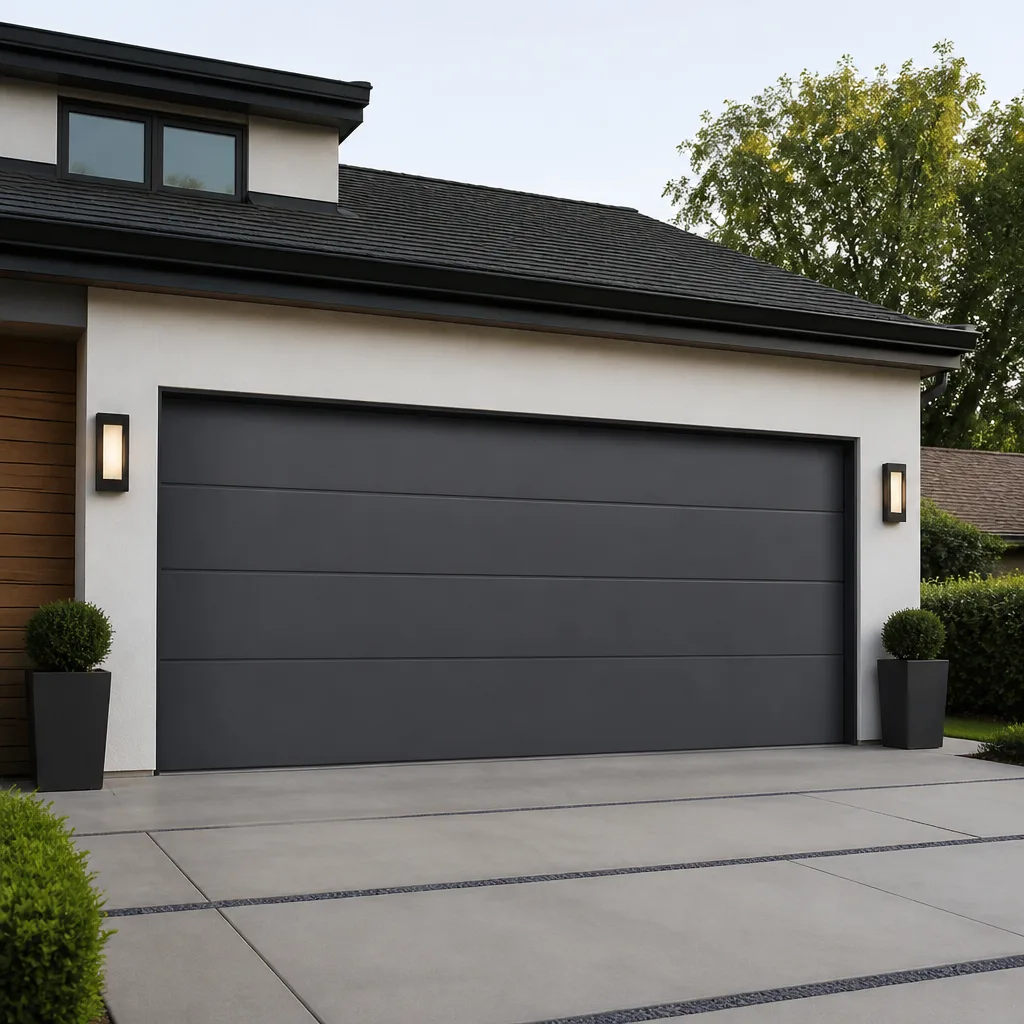 Modern flush
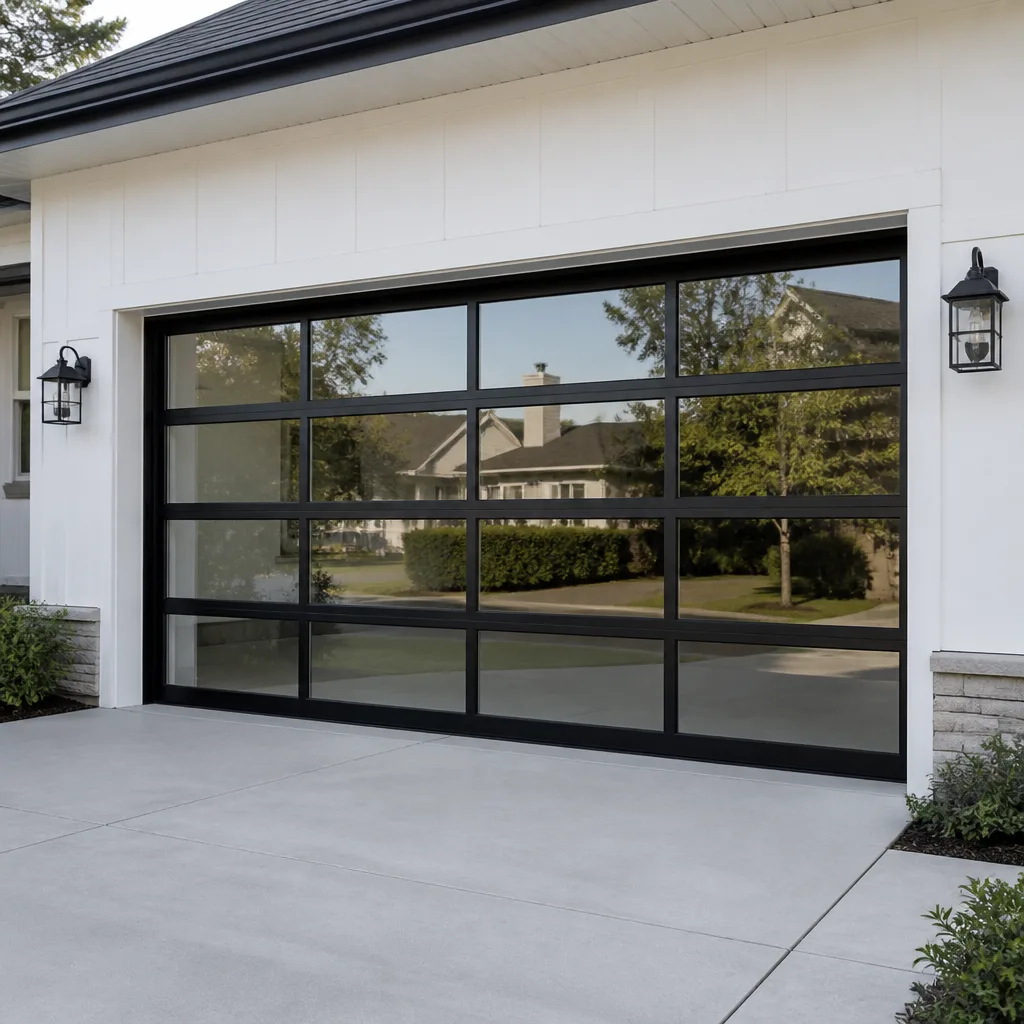 Full-view glass
 LiftMaster openers
 Chamberlain openers
Full 25-point door and opener safety check with every visit - springs, cables, rollers, tracks, and your LiftMaster or Chamberlain opener included
You get a price before we start. It does not change when the pro arrives.
Get your free estimateGarage Door Repair Troubleshooting in Chicopee: Common Problems and How to Fix Them
A garage door that won’t open isn’t automatically a dead opener. In our experience across Chicopee, a wall button that’s lost power, a safety sensor nudged crooked, and a snapped torsion spring are each just as likely to blame, and each one calls for a completely different fix. Homeowners who assume the opener is toast often pay for a diagnostic they didn’t need. Homeowners who assume a spring problem is a cable problem can make things worse. This guide gives you the diagnostic logic a technician actually uses: isolate the component first, name the real failure, then decide what’s safe to handle yourself and what needs a trained hand. We’ll walk through how New England weather shapes which parts fail here, how to tell a slow decline from a sudden break, and the brand-specific quirks we see on Clopay, Amarr, and Wayne Dalton doors installed throughout Chicopee.
Quick Answer
Most garage door problems in Chicopee trace to one of five components: the spring, the cable, the opener, the safety sensor, or the track. Diagnosing which one is failing means checking each in order rather than assuming the opener is at fault. Springs and cable drums carry lethal tension and should always be handled by a trained technician, while sensors, wall buttons, and track obstructions are things a careful homeowner can often check safely.
Styles & brands we work with
- Raised-panel steel
- Carriage house
- Modern flush
- Full-view glass
- LiftMaster openers
- Chamberlain openers
Table of Contents
- Start With the Component, Not the Symptom
- Why New England Winters Wreck Garage Doors Differently
- What You Can Safely Check Yourself vs. What You Can’t
- Gradual Wear vs. Sudden Break: Reading the Difference
- Brand-Specific Failure Points We Keep Seeing
- Tracking Down Cable and Track Problems
- Opener and Sensor Troubleshooting
- A Step-by-Step Diagnostic Walkthrough
Start With the Component, Not the Symptom
The single biggest mistake in garage door troubleshooting is chasing the symptom. “It won’t open” describes what you observe, not what’s wrong. A technician diagnoses by working backward through the system that moves the door, testing each component in sequence until the failure reveals itself. It’s a simple logic, and you can borrow it.
A residential door is a balance of forces. The torsion spring (or springs, on wider doors) counterweights the door’s weight so the opener only has to nudge it. The cables run from the bottom corners up to the drums that wind the spring. The opener drives the door along the tracks, and the safety sensors stop it from closing on anything in its path. When one link in that chain fails, the symptom shows up in a different place. That’s why a broken spring looks exactly like a dead opener from the driver’s seat of your car.
Here’s the diagnostic order a trained technician uses on a typical Chicopee door:
- Check for spring failure first. Look at the torsion bar above the door. A clean gap in the coil means a broken spring. The door will feel extremely heavy if you try to lift it by hand, which is the tell.
- Test the opener’s power and signal. Does the wall button work? Does the remote work? Does the opener hum but fail to move? Each answer points to a different part.
- Inspect the safety sensors. Are both LEDs lit? Is either lens blocked, dirty, or aimed off-target? A bumped sensor is one of the most common and most fixable causes.
- Check the cables and drums. Fraying, a slack cable, or a cable that’s jumped its drum is a serious safety flag.
- Walk the tracks and rollers. Bent track, worn rollers, and loose hinges will show as a door that grinds, binds, or travels crookedly.
By isolating the component, you avoid the two most expensive mistakes homeowners make: replacing an opener that was fine, and trying to force a door whose spring was broken. If your walk-through points to any of these failures, our Chicopee Garage Door Repair Co handles the whole system under one call.
Why New England Winters Wreck Garage Doors Differently
Generic national guides were probably written by someone in a mild climate who never watched a garage door fight a frozen slab. Chicopee sits in a part of Massachusetts where winter means repeated freeze-thaw cycles, and that pattern does specific things to a garage door system that you won’t read about in a cookie-cutter article.
The biggest single culprit is ice at the door’s bottom seal. When meltwater from the driveway refreezes under the weatherstripping, the door can freeze to the slab overnight. The opener engages, the motor strains, and the door doesn’t budge. That one scenario wears out openers, burns out gears, and tricks homeowners into thinking the whole door is dead when the real fix is freeing the seal and letting it thaw. Shoveling and salting away from the door’s base is the year-round habit that prevents most of it.
Frost heave is the second. As the ground swells and shifts, the concrete slab in front of your garage can rise just enough to catch the door’s bottom edge or feed ice into the track. Doors that worked perfectly in October suddenly bind or drag in January. Temperature swings matter too. Metal contracts in deep cold and expands again as it warms, which works the fasteners loose over a season and can throw off the alignment of the horizontal track. A door that rattles and shakes more than it used to each March is telling you the hardware needs a seasonal inspection.
Cold weather also stiffens the lubricant in rollers and hinges. Rollers that were quiet all summer start to groan, and worn rollers get dramatically louder. A light winter lubrication routine on the rollers, hinges, and springs (never the tracks or the opener rail) cuts the grinding and slows wear. What we can’t overstate: the cold doesn’t change the spring’s danger. A snapped torsion spring in a Chicopee winter is exactly as lethal as one in July. Winter just makes the failure more common. Our garage door spring repair service exists for that reason.
What You Can Safely Check Yourself vs. What You Can’t
There’s a real line between what a homeowner can safely troubleshoot and what can hurt them, and it’s not a line drawn to sell service calls. It falls at the tension. Anything on the low-tension side (sensors, wall buttons, tracks, rollers, weatherstripping) is fair game for a careful homeowner. Anything holding the door’s counterweight (springs, cables, drums, and the metal parts under tension) is not, because those components store enough force to break bones, not just garages.
Safe for most homeowners to check:
- Safety sensors. Wipe the lenses, confirm both LEDs are lit, and check that they point at each other. If one is crooked, straighten the bracket.
- Wall button and remote. Replace the button battery or a dead remote battery before assuming the opener failed.
- Track obstructions. Clear anything caught near the rollers and look for visible dents or bends in the vertical and horizontal track.
- Bottom weather seal. Look for cracking, gaps, or ice binding the door to the floor.
- Photo-eye alignment after a bump. If the door stopped closing for no obvious reason, a bumped sensor is the first thing to reset.
Not safe to attempt, for honest reasons:
- Torsion springs and extension springs. These hold hundreds of pounds of force. A spring under tension can release suddenly with nothing to stop it.
- Cables and cable drums. A cable that’s snapped or slipped can recoil with severity, and a drum under tension can spin freely.
- Adjusting the counterweight. Dialing in the balance requires winding bars and a trained feel for the torque.
- Replacing or re-tensioning a spring. Even experienced mechanics treat spring swaps as their most safety-sensitive job.
This isn’t fear-mongering. It’s why spring work is a named, dedicated service rather than something we do “on the side.” Springs are dangerous, and we handle them correctly. If your inspection points to a spring or cable, that’s the moment to call for garage door repair rather than experiment.
Gradual Wear vs. Sudden Break: Reading the Difference
The urgency of a garage door problem depends less on how bad it looks and more on how it arrived. A door that’s been getting slower and noisier for weeks is telling you it’s in gradual decline. A door that worked perfectly this morning and won’t move tonight is a sudden break. The two call for completely different responses.
Gradual wear signs are your early warning system. If you catch them, you can schedule a repair on your terms instead of dealing with a door stuck open in a storm:
- Increasing noise or grinding over a period of weeks
- The door moving slower in one direction than the other
- Rollers that squeak, rattle, or look visibly worn
- Loose hinges and fasteners that need tightening repeatedly
- The door drifting a little or bouncing at the floor before it settles
- Weatherstripping that’s cracked and letting daylight through
Sudden breaks are the loud ones. A snapped spring, a cable that gave way, or a door that dropped off a track in the middle of a cycle all fall here. These are almost always a stop-using-the-door situation because a door suspended by a failed component can be unstable, and using the opener again can make it worse. The door may be jammed halfway up or angled in its track. Turn the opener off at the wall and call for service.
In our experience across Chicopee, the difference between a $200 repair and a much bigger one often comes down to whether the homeowner called at the “getting noisy” stage. Gradual decline gives you room to plan. Sudden breaks don’t. If you’re hearing a new grind and can’t tell which side you’re on, a diagnostic visit answers it fast, and our garage door opener repair service covers the mechanisms that turn a small noise into a stuck door.
Brand-Specific Failure Points We Keep Seeing
A generic troubleshooting guide treats every door the same. Doors aren’t. The brand on the door and the brand on the opener both tell a technician what’s most likely to fail, and knowing that shortens the diagnostic by a lot. Most of the paperwork in Chicopee runs to a handful of brands, and each has its habitual weak spots.
Clopay doors are common across the neighborhood, and the failures we see most are worn rollers and cracking on the bottom weather seal, plus hinges that loosen over a season. On older Clopay hardware, the drums and cables are worth a careful inspection whenever you hear a new rattle.
Wayne Dalton doors, especially the Torquemaster-style torsion setups on newer builds, have their own quirks. When the spring on that style fails or needs replacing, the service call looks and works differently from a standard torsion system, and that’s exactly why brand familiarity matters. A technician who hasn’t seen the setup before may take longer or replace the wrong part.
Amarr doors tend to hold up well but show specific panel and spring issues with age. Panel hinges and brackets can loosen and benefit from an annual tighten, and the springs wear at a rate tied to how many cycles the door runs, not how old it is.
Craftsman means the opener, which most homeowners in Chicopee inherit with the house. Its failure points are the logic board, the travel limits drifting out of calibration, and the safety sensors tripping. Knowing the brand lets us diagnose the opener itself, not just the door it moves. Our technicians have up to 13 years of experience and are trained to service eight of the most widely installed garage door and opener brands, so the quirks of what’s already in your garage are familiar, not a learning curve. One call covers it.
Tracking Down Cable and Track Problems
Cable and track issues both announce themselves as a door that travels badly (crooked, dragging, or grinding) but their causes and fixes are completely different. Sorting them out starts with a visual inspection, done from the ground, with the door closed and the opener off.
Cable problems are the serious ones. A cable that has frayed, snapped, or slipped off its drum shows as sagging wire, a door that’s dropped on one side, or a visible gap between the door edge and the track. Never try to re-seat a cable yourself; the tension in a torsion system means a slack cable can snap back with force. If you see a snapped or obviously slack cable, treat the door as unusable and call for service.
Track problems are more forgiving. A bent vertical or horizontal track will make the door bind or grind, and it often follows a physical bump (a car nudging the track, a snow shovel clipping it, a stray tire catching the lower rail). Look for visible dents, pinches, or gaps between track sections. Small bends can sometimes be adjusted safely by a careful homeowner, but if the bend is enough to make the door bind, stop running the opener until it’s fixed. Forcing a door past a bent track can damage the rollers and the door panel itself.
Rollers are the third piece of this picture. Worn steel or nylon rollers rattle and grind, and they wear faster in cold weather when the lubricant stiffens. If your door is noisy but travels true and doesn’t sag, rollers and hinges are the likely suspects, and a lubrication and replacement cycle on those parts gets you quiet again. When a door grinds on one side only, that’s usually a track or roller on that side, not a door-wide problem.
Opener and Sensor Troubleshooting
When the opener won’t move the door, it’s tempting to blame the opener. Before you do, isolate the opener from the door. If the opener hums or clicks but the door doesn’t move, the opener is trying and the problem is mechanical (a bound track, a stuck seal, or a broken spring). If the opener does nothing at all, the problem is electrical or signal-related, and the wall button, the remote, the sensors, and the power source are the sequence to test.
Walk through this in order:
- Power and manual release. Check the outlet and the breaker. Pull the manual release to disengage the door, then try lifting it by hand. If a big door that should glide easily now feels extremely heavy, the spring is broken and that’s your real problem. Re-engage the release and call for service.
- Wall button and remote. If the wall button works but the remote doesn’t, the remote is the fault (battery or programming). If neither works, the opener or its receiver is suspect.
- Safety sensors. The LEDs are the tell. If one is dark or flashing, the system is tripped. Clean the lens, check alignment, and remove anything blocking the beam. A bump against the bracket, common in busy Chicopee households where the garage is the main entrance, is enough to knock a sensor out.
- Travel limits. If the door reverses immediately or won’t close fully, the limit settings may have drifted. These are adjustable, but a door that reverses for no clear reason should be checked before being trusted with the family inside it.
- The opener’s logic board. When nothing else explains it, the board is the likely culprit, which is where brand familiarity helps diagnose quickly.
If you’ve done the safe checks and the door still won’t move, stop running the opener. Calling it one more time to test just adds wear. Emergency garage door service is part of our standard offering for precisely these situations, because when your garage door is the front door, the door needs to work today.
A Step-by-Step Diagnostic Walkthrough
Here’s the whole process rolled into one sequence you can run before you call anyone. It takes about ten minutes and it tells you which category you’re in by the end.
- Look before you touch. From the ground, check the torsion bar above the door for a visible gap (a broken spring) and the bottom corners for slack, snapped, or frayed cables.
- Check the sensors. Both LEDs lit and pointed at each other is a pass. Any dark or flashing LED points to a sensor problem, not the opener.
- Test both controls. Try the wall button and the remote. A difference between them narrows the field.
- Free the door’s edge. Clear ice, snow, or obstructions from beneath the bottom seal.
- Run the opener and listen. A hum with no movement suggests a mechanical bind. Silent means power or signal.
- Disengage and lift. If the door feels extremely heavy, stop. A heavy door is a spring or cable problem, and a trained technician should take it from here.
- Write down what you found. Symptoms (which control worked, what you heard, whether the door was heavy) help the technician diagnose faster and cut the guesswork before anyone touches your door.
This sequence helps whether you tackle the fix yourself or call us. Either way, you know what you’re dealing with, and technicians can work faster when the homeowner can say “the wall button works but the remote doesn’t” instead of “it just stopped.” That’s the whole point of the diagnostic framework. Know the component before you act.
Common Mistakes to Avoid
- Assuming a dead door means a dead opener. The opener is often fine and the real fault is a sensor, a wall button, or a spring. Test the component chain before pricing a replacement.
- Forcing a stuck door with the opener. Running the opener repeatedly against a frozen seal, a bent track, or a broken spring grinds gears and strips parts. If the door won’t move freely by hand, stop.
- Trying to re-tension or replace a spring yourself. Residential spring tension is enough to injure badly, and Chicopee springs fail more often than most homeowners expect in winter. This is the one job that truly needs a technician.
- Ignoring the “getting noisy” stage in Chicopee winters. The grind, rattle, or groan that starts each cold season often traces to stiff lubricant and worn rollers. Addressing it early is far cheaper than waiting for a sudden break.
- Oil on the tracks. A light application of the right lubricant goes on rollers, hinges, and springs, never on the tracks (it collects grit and causes slipping). It’s a small distinction that makes a difference.
- Shoving the door to close it after the sensor trips. If the sensors are out of alignment, the system is doing its job by refusing to close. Fix the alignment instead of overriding the safety feature.
- Letting a slow, jerky one-side lift ride. A door that lifts unevenly on only one side is a sign of a worn roller, a bent track, or a failing cable, and it wears the whole system faster the longer it’s ignored.
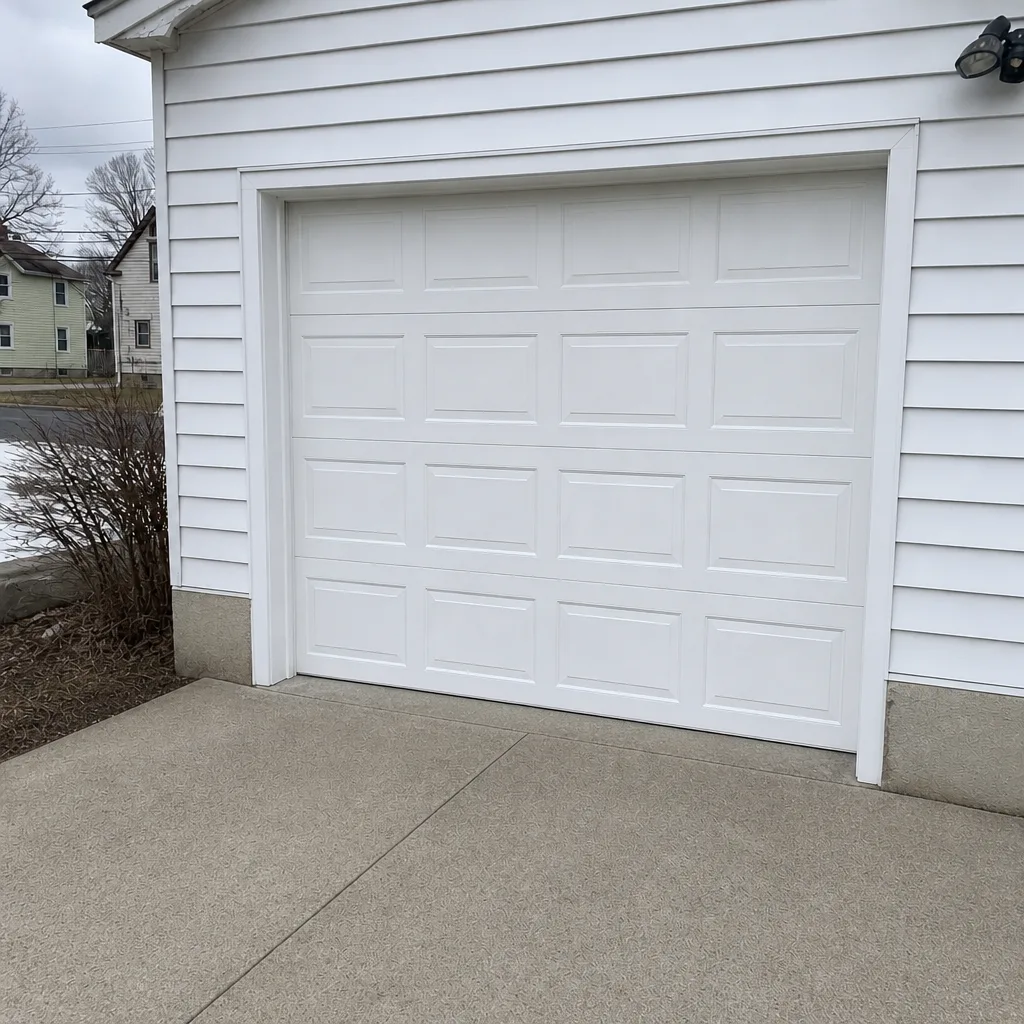
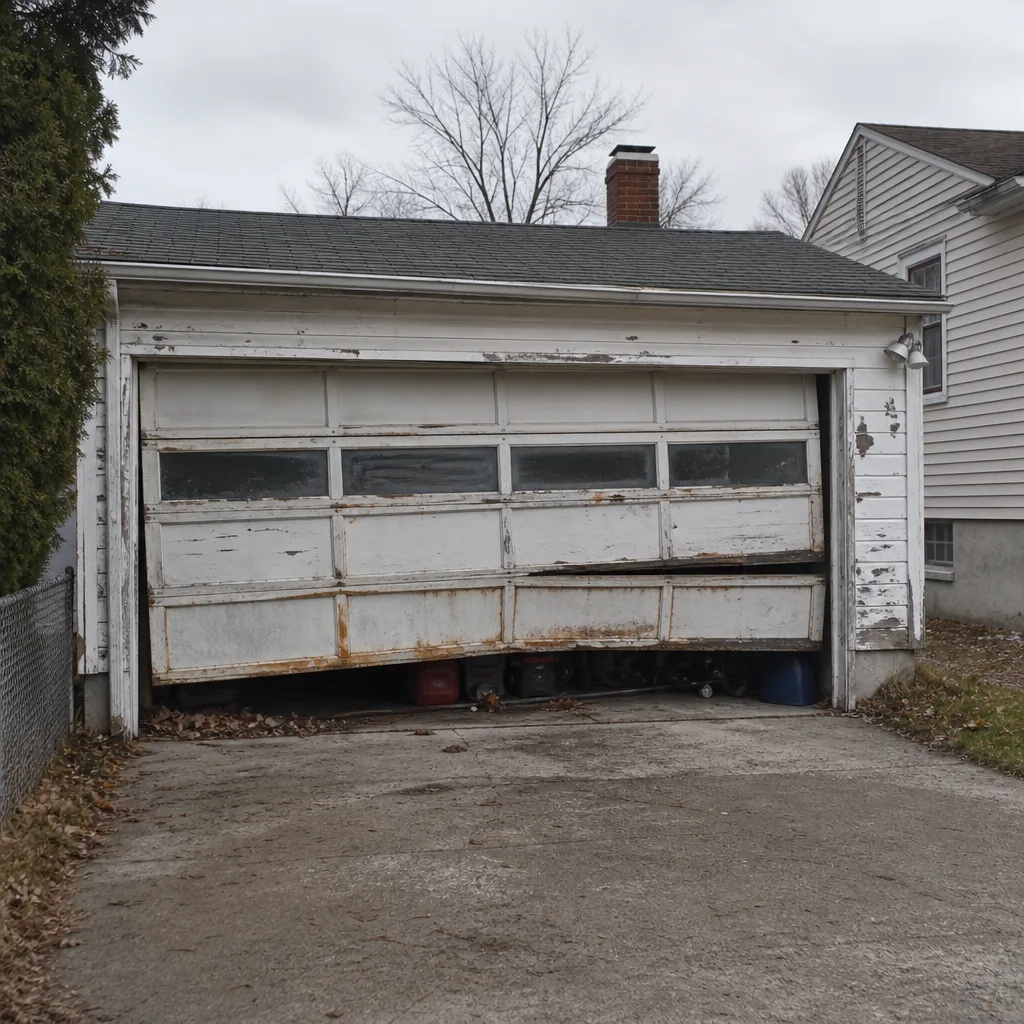
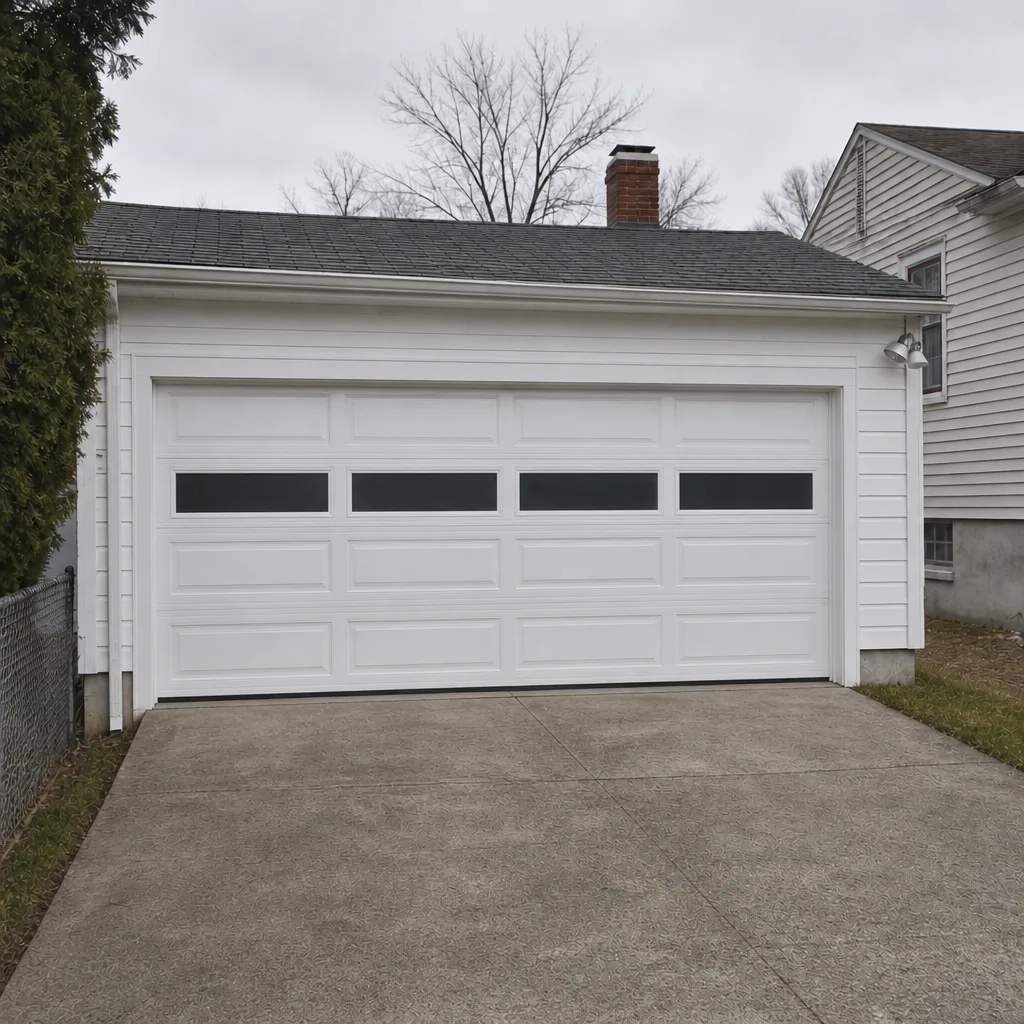
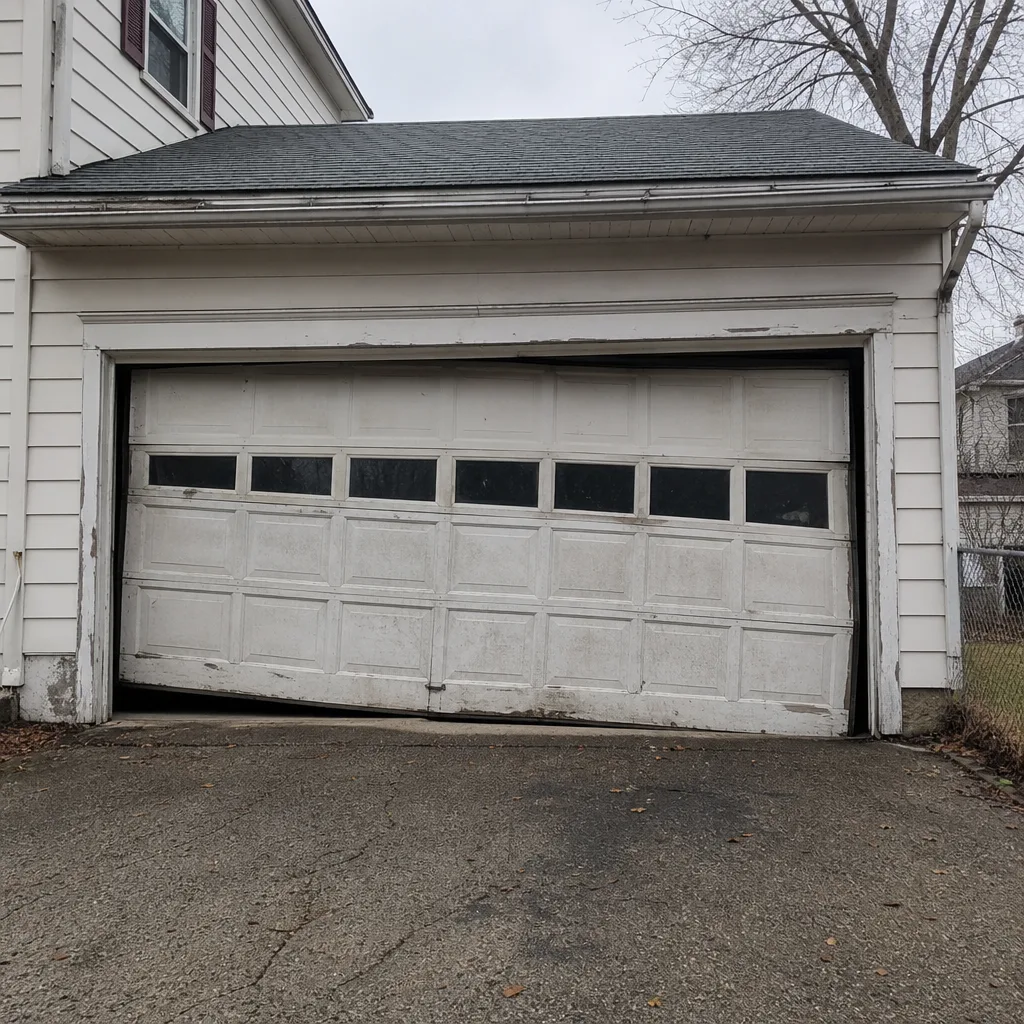
See the difference
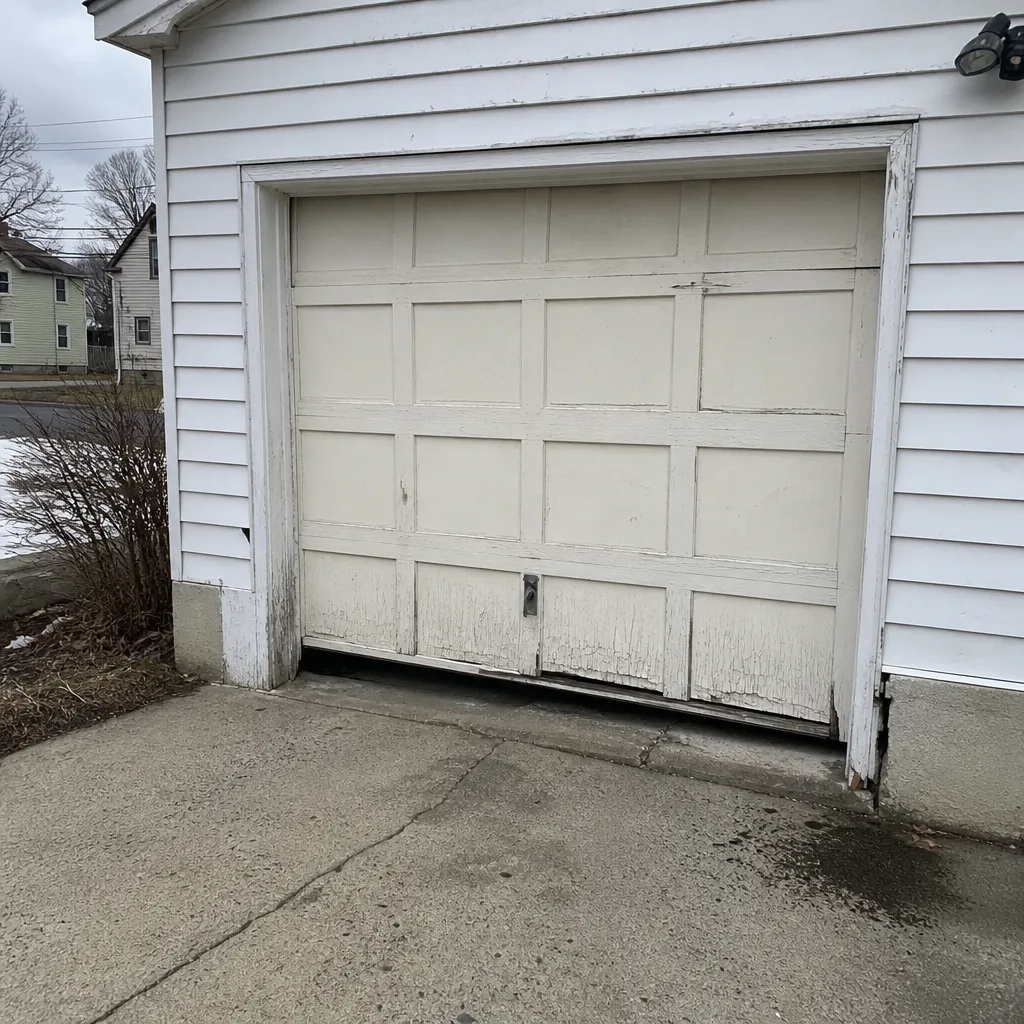 Before
 After
 Before
 After
 Before
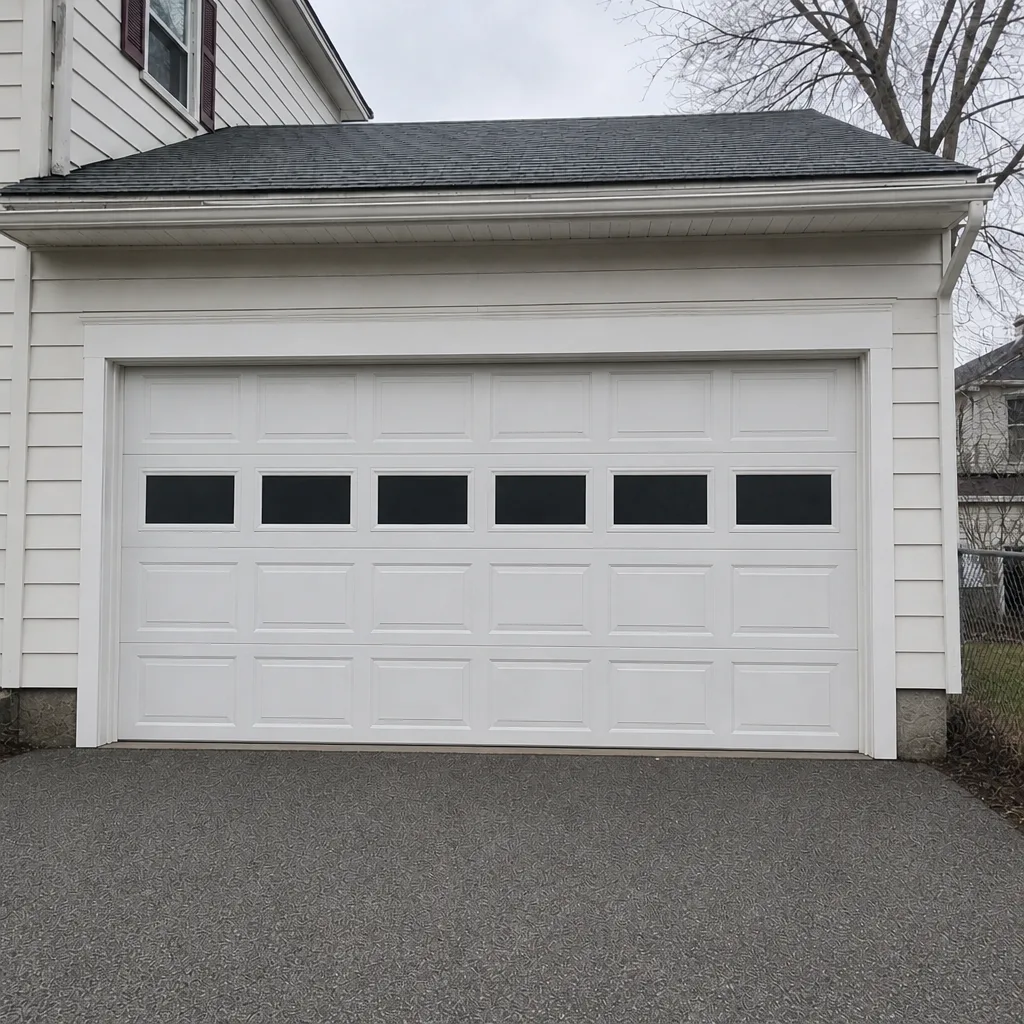 After
When to Call a Professional
Call a trained technician when the problem involves spring tension, cables or cable drums, or a door that’s come off its track. Those are the situations where the work is genuinely dangerous, and where a diagnosis by sight alone can miss the actual fault. Also call when the opener hums but the door won’t move, when a door stops responding to both the wall button and the remote, or when you see a snapped spring or sagging door. Chicopee Garage Door Repair Co offers free estimates in Chicopee. Call (877) 401-9972 to set up a diagnostic visit. Our technicians have up to 13 years of experience and are trained to service eight major brands, so whatever is on your door, we know it.
Frequently Asked Questions
If the opener hums or clicks but the door doesn’t move, the problem is almost always mechanical: a broken spring, a stuck bottom seal, a bent track, or a bound roller. Pull the manual release and try lifting the door by hand. If it’s extremely heavy, the spring is the likely culprit, and that’s a technician job. Call (877) 401-9972 for a diagnostic visit.
A broken spring shows as a visible gap in the coil above the door and an extremely heavy door when you lift it by hand. A bad opener usually shows as a door that works by hand but not by remote, or an opener that’s completely silent. Covering the components one at a time narrows it down fast. If you’re unsure, a technician can sort it out on a service call.
Yes. A bumped, misaligned, dirty, or blocked safety sensor is one of the most common reasons a door refuses to close. The LEDs are the tell: both should be lit and pointed at each other. If one is dark or flashing, clean the lens and check alignment. Reset and test it before assuming the opener is at fault. We cover this in our garage door opener repair work every season.
Ice forming under the bottom weather seal from meltwater that refreezes overnight is the usual cause. The door’s edge basically bonds to the concrete slab. Clear the ice carefully, shovel and salt away from the door’s base as a habit, and check the seal for cracking. If the door won’t free safely, don’t force the opener. Call a technician who can free it without damage.
Our technicians are trained to service eight of the most widely installed brands, including Clopay, Amarr, Wayne Dalton, and Craftsman, plus LiftMaster, Chamberlain, Genie, and Raynor openers. That means we already know the failure points of the door and opener on your garage. You don’t need to tell us what brand you have. Call (877) 401-9972 for a free estimate.
No. The written quote is the price. We diagnose the problem and give you a written estimate before any work starts, and the written quote sets the final price. If the diagnosis uncovers a second problem, you’ll see it in writing before we touch anything. Call (877) 401-9972 to set up a diagnostic visit and get a free estimate.
The Bottom Line
Garage door problems in Chicopee are almost always traceable to one of five components, and the fix depends entirely on which one is failing. Springs, cables, and drums hold dangerous tension and belong in a technician’s hands. Sensors, wall buttons, tracks, and seals are things you can safely check yourself. Winter in Chicopee makes springs, seals, and tracks fail more often, so seasonal inspections pay off. Read the difference between gradual wear and sudden breaks, and act on the warning signs early. When the job is too dangerous or the diagnosis is unclear, call Chicopee Garage Door Repair Co at (877) 401-9972 for a free estimate.
Chicopee Garage Door Repair Co is your full-service garage door specialist for Chicopee and the surrounding area. From broken springs to opener repair, panel and door repair, and full new door installation, one call covers it. Our technicians have up to 13 years of experience and are trained to service LiftMaster, Chamberlain, Genie, Clopay, Amarr, Wayne Dalton, Craftsman, and Raynor, so they know your equipment before they knock. Free estimates, upfront pricing quoted and agreed before any work starts, and emergency service when your garage door is the front door. Call (877) 401-9972 today for a free estimate.
Written by the team at Chicopee Garage Door Repair Co.