Last updated November 23, 2026
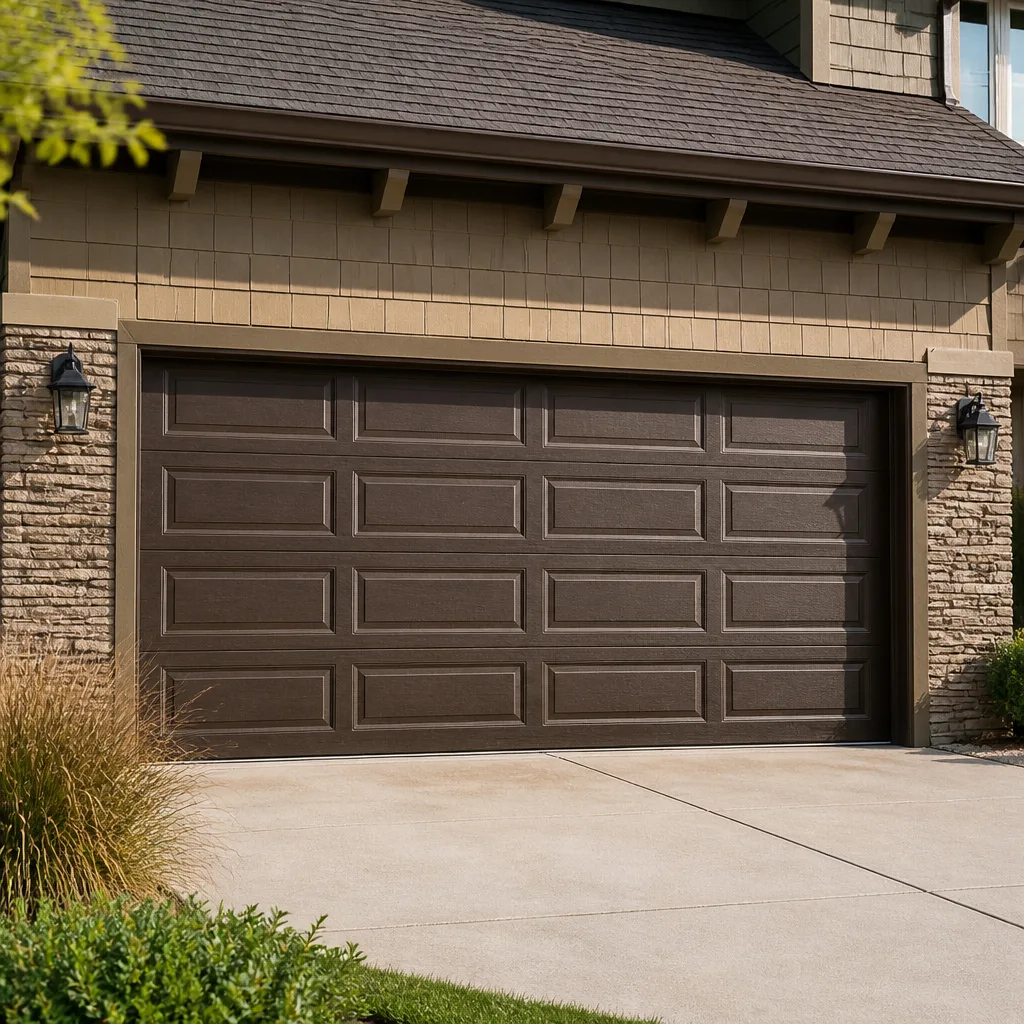 Raised-panel steel
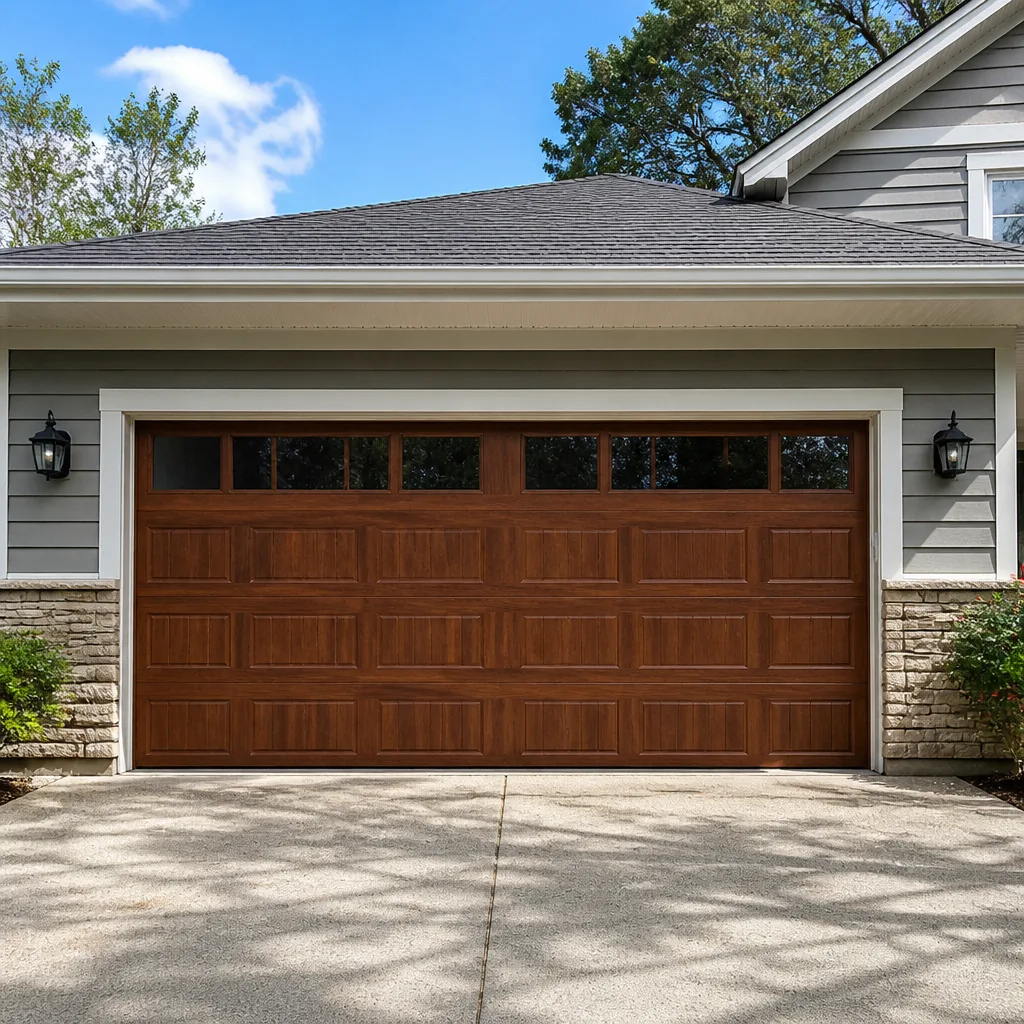
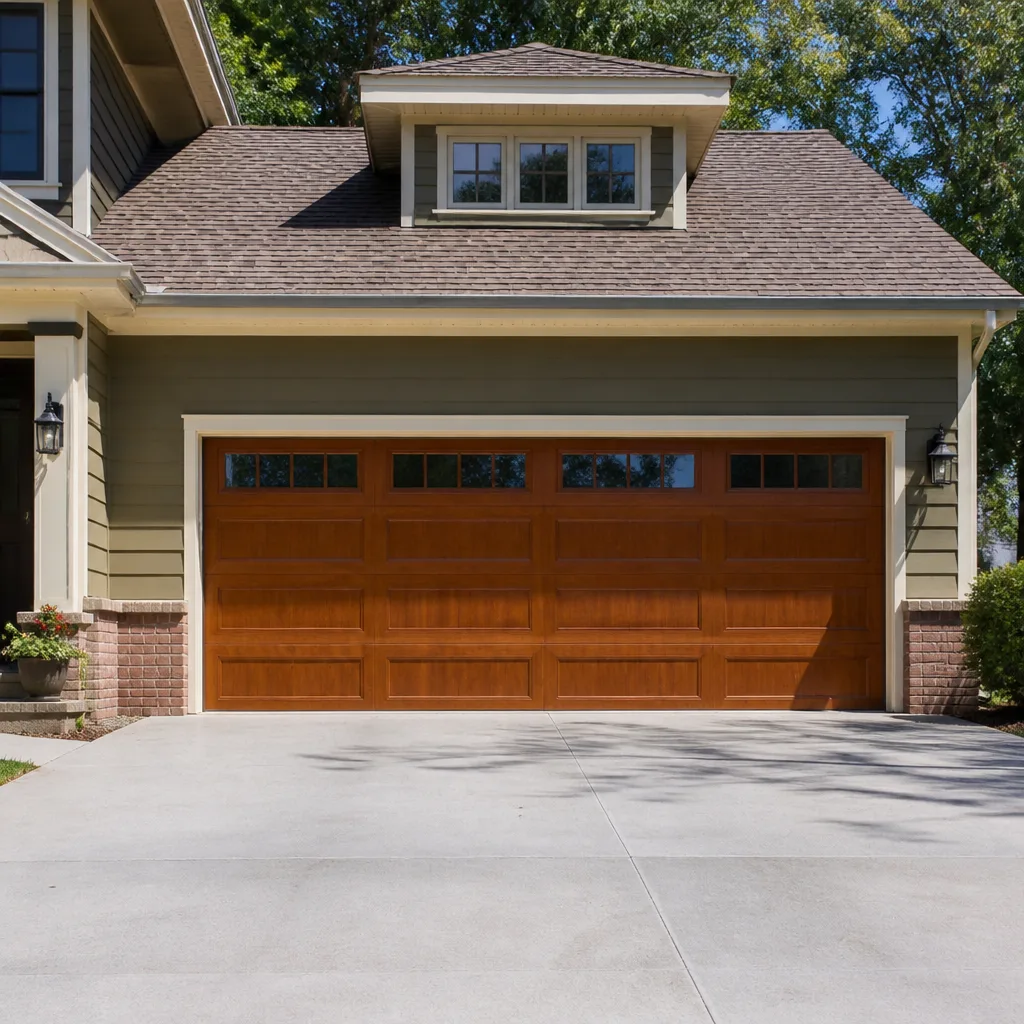
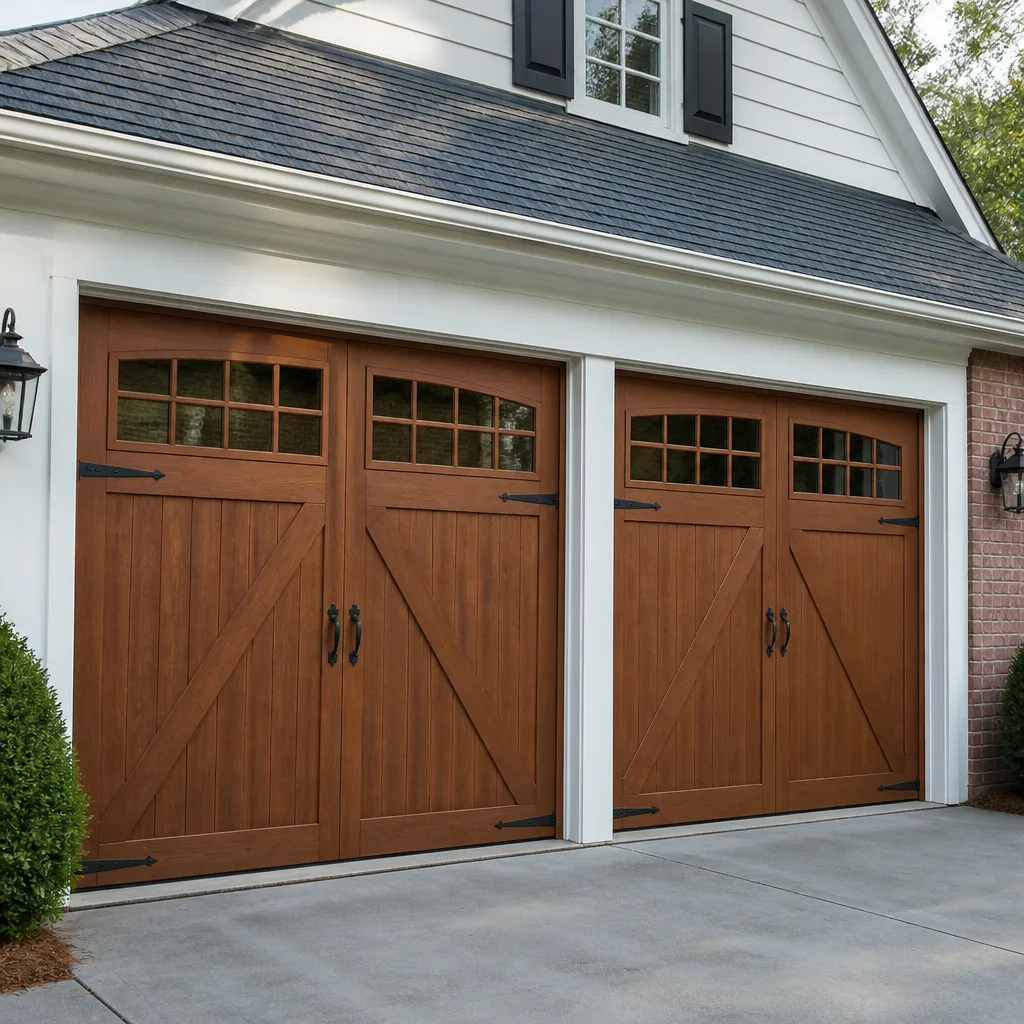 Carriage house
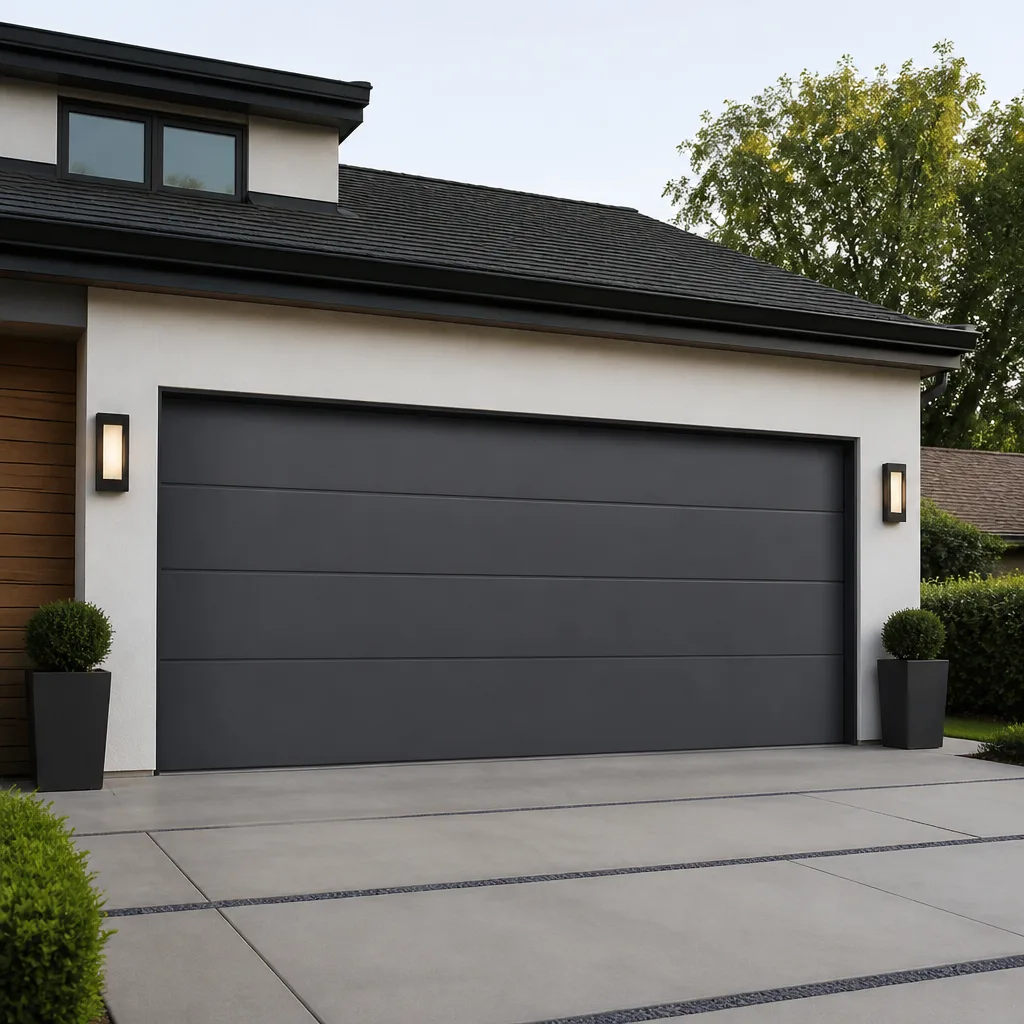 Modern flush
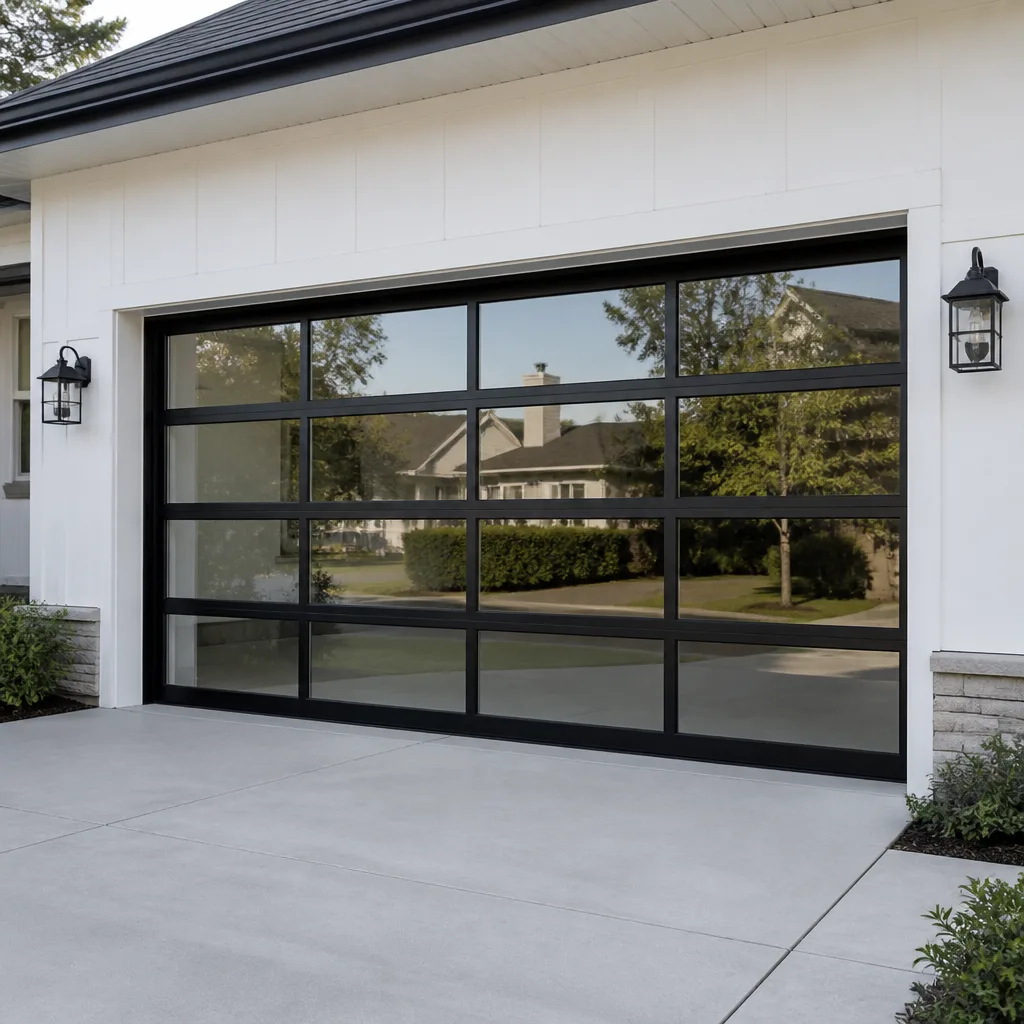 Full-view glass
 LiftMaster openers
 Chamberlain openers
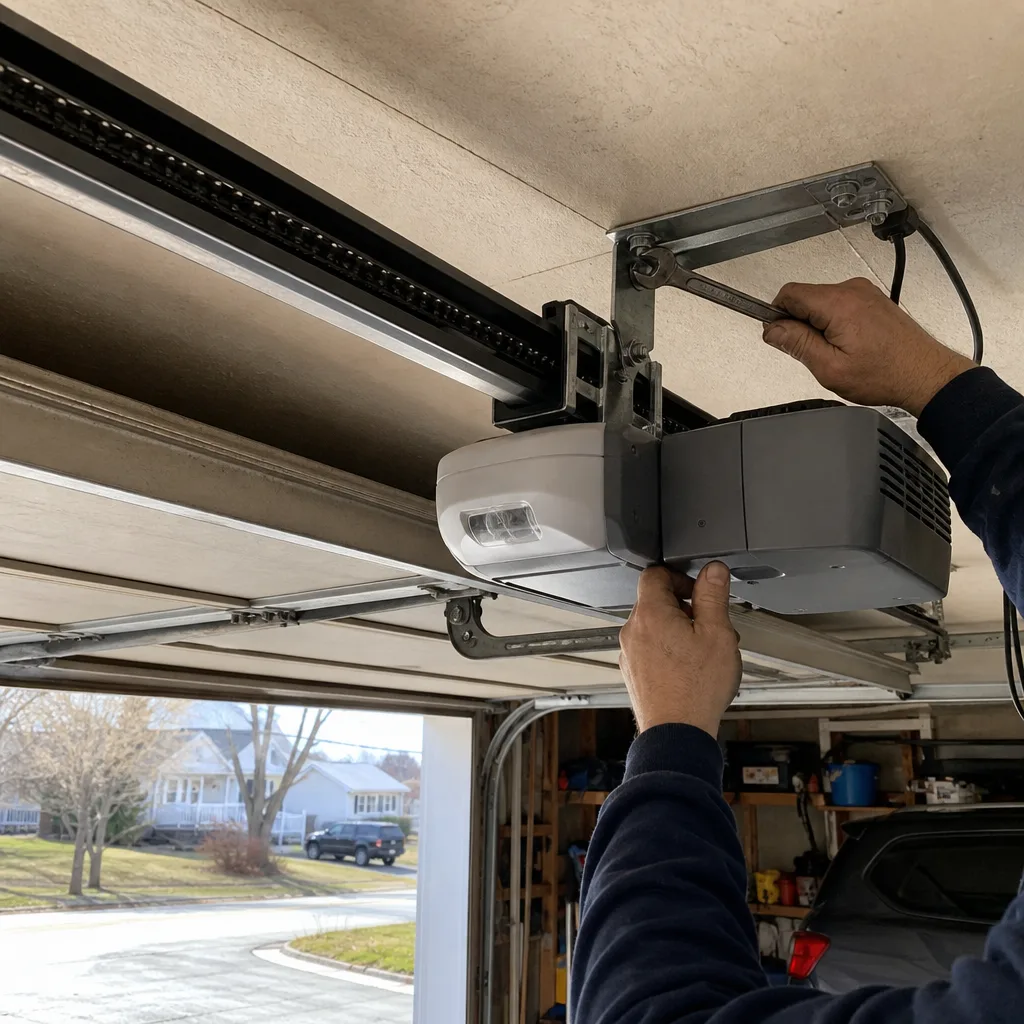
Full 25-point door and opener safety check with every visit - springs, cables, rollers, tracks, and your LiftMaster or Chamberlain opener included
You get a price before we start. It does not change when the pro arrives.
Get your free estimateGarage Door Permits, Codes & Inspections in Chicopee, MA: What You Need to Know
If you replaced your garage door without a permit and your buyer’s home inspector flags it, the renegotiation hits your sale price, not the contractor who installed it. That’s the part most homeowners learn too late. The common assumption is that a garage door is just hardware, swapped in an afternoon, below the radar of the building department. In Massachusetts, that assumption is often wrong. Whether you need paperwork depends on what kind of work you’re doing, whether the garage is attached to living space, and how the door functions in your home. In this guide, we map exactly when Chicopee homeowners need a permit, when repair and like-for-like replacement are exempt, what the local building department process looks like, and what an inspector actually checks.
Quick Answer
In Chicopee, MA, a full garage door replacement or any work that changes the door’s size, the opening, the framing, or the door’s fire rating typically requires a building permit, while routine repair and like-for-like replacement of the same size door in the same opening often does not. Fire-rated doors between an attached garage and living space are the item most often missed. Always confirm the current rule with the Chicopee building department before work starts, because requirements can shift and the department has the final word.
Styles & brands we work with
- Raised-panel steel
- Carriage house
- Modern flush
- Full-view glass
- LiftMaster openers
- Chamberlain openers
Table of Contents
- When Does Massachusetts Require a Permit for Garage Door Work?
- When Repair and Like-for-Like Replacement Are Exempt
- The Chicopee Building Department Process
- Fire-Rated Doors on Attached Garages
- What an Inspector Actually Checks
- How to Verify a Prior Installation Was Permitted
- Why This Matters at Resale
- Chicopee Climate and Your Door’s Code Performance
When Does Massachusetts Require a Permit for Garage Door Work?
Massachusetts requires a building permit for most structural changes to a home, and a garage door replacement can cross that line depending on what’s involved. The clearest triggers:
- Changing the size of the opening. Widening or heightening the rough opening means cutting framing and altering the header. That’s structural work.
- Replacing the door with a different type or weight. A heavier door may need a different spring system, different tracks, and a re-evaluated header load.
- Adding a new door where none existed. Turning a solid wall into an opening is new construction.
- Altering a fire-rated door assembly. If your garage is attached and the door separates the garage from living space, the fire rating is a code item, and changes to it need review.
- Converting a garage to living space. This is a larger permit that touches framing, insulation, egress, and often the door itself.
For a door replacement in Chicopee where the opening stays exactly as it is, the same size door goes back in, and nothing structural changes, many towns treat it as a like-for-like swap that doesn’t need a permit. But “many towns” isn’t a rule, and Chicopee’s building department makes the call. A five-minute phone call before you or your installer order a door saves a lot of friction later.
We work on what you already have, and that includes the awkward cases: a 1970s door on a Chicopee ranch where the tracks and header were sized for a lighter Clopay panel than what’s available now. If you’re upgrading to a heavier Amarr or Clopay model, the question of whether the header framing can carry it is exactly the kind of thing a permit review looks at. When we assess a replacement, we flag those structural questions early so the paperwork, if needed, starts before the door is ordered.
When Repair and Like-for-Like Replacement Are Exempt
Most garage door service in Chicopee doesn’t touch a permit at all, because most of it is repair. Springs, cables, rollers, hinges, opener boards, sensors, and panel swaps on an existing door are maintenance, not construction. No permit.
The nuance is in “like-for-like.” The rule of thumb:
- Exempt: Replacing a broken spring, cable, or hinge. Swapping a damaged section panel with the same model. Replacing an opener with a unit of similar capability. Replacing rollers, bearings, or weather seal.
- Usually exempt: Replacing the entire door with a door of the same width, height, weight class, and type, installed in the same opening with the same hardware configuration.
- Typically requires a permit: Any change to size, weight class, or opening. Any new door. Any change to a fire-rated assembly. Any structural alteration to the header or framing.
If you’re replacing a spring, don’t do it yourself. High-tension torsion springs and the cables under them are the most dangerous component on the entire door, and a mistake can cause serious injury. This is a trained-professional job. We handle it correctly, and our garage door spring repair work is a dedicated service for exactly that reason. Springs are a repair and don’t require a permit, but they are not a DIY project.
For a plain repair job, you’re clear. For a full replacement, ask the question before the door goes in.
The Chicopee Building Department Process
Chicopee’s building department handles permits through the city’s inspectional services. The process is straightforward, but the details matter, and they’re not the same across every job. This is the shape of it in general terms; the department has the current form and fee schedule, and they are the final word on what’s needed.
- Call the building department first. Ask whether your specific scope of work needs a permit. Describe the door, the opening, and whether the garage is attached. Note the answer.
- Gather documentation. Typically: the property address and owner information, a scope of work, the door manufacturer and model, and the installation spec sheet from the manufacturer. If the door is fire-rated, include the rating from the spec sheet.
- Submit the permit application. The department will tell you the current fee and whether anything else applies. Some towns require a licensed contractor to pull the permit; some allow a homeowner who occupies the home to pull it for their own property. The department will tell you which applies.
- Wait for the permit to issue. Timelines in Chicopee depend on the department’s workload and the completeness of your paperwork. Ask when you apply.
- Schedule the inspection. Depending on the scope, an inspection is scheduled after the installation is complete, or in stages if framing is involved. The inspector signs off.
- Keep the paperwork. The closed permit is a resale document. Put it with your home file.
None of this is onerous if you start early. It gets painful if a door was installed last year and nobody told the buyer about a permit that was never pulled, which is where the resale problem comes in.
Fire-Rated Doors on Attached Garages
If your garage is attached to the house, the door between the garage and living space is a fire-rated assembly, and this is the code item most often skipped by installers working on existing Chicopee homes. It’s not the overhead door we’re talking about here, it’s the pedestrian door (the man-door) between the garage and the house or a door on a shared wall. The fire-rating rules exist so a fire that starts in the garage gets slowed before it reaches the bedrooms above or beside it.
What that means for a homeowner:
- Replacement must match the existing rating. If the existing door was fire-rated for its assembly, the replacement must be too. A plain hollow-core door is a downgrade that fails on a permit inspection.
- The frame matters as much as the door. Fire-rated assemblies include the frame, the hinges, the closer, and the seal. Don’t swap the door without respecting the whole assembly.
- Self-closing hardware is part of the rating. The closer and latch that keep the door shut automatically belong to the assembly.
- Any change needs review. Altering the door, the frame, or the wall around it is a fire-rating change.
If your home was built in the mid-20th century or the garage was remodeled by a previous owner, there’s a real chance the fire-rated assembly was either never installed or was replaced with a standard door at some point. This is worth checking. The Chicopee building department can tell you what the current requirements are for your address.
Overhead garage doors on an attached garage also matter to the overall fire separation, but the overhead door itself is typically not a fire-rated component unless the design of the home specifies one. The pedestrian door and the wall between garage and house are the critical items.
What an Inspector Actually Checks
If a permit was pulled, an inspection follows the work. What’s checked depends on the scope. For a straight door replacement, it’s usually a final inspection. For anything that touches framing, expect a rough-in inspection before the door is hung.
On a rough inspection, the inspector is looking at the framing and the structure behind the door:
- Header size and condition. Does the structural header above the opening meet the load it’s carrying?
- Framing connections. Are the king and jack studs around the opening properly fastened and aligned?
- Fire separation. If the garage is attached, is the wall and pedestrian door assembly correct?
- Any change in opening size. If the opening changed, does the new size match the permitted drawings?
On a final inspection, it’s the installed assembly:
- Door and hardware installed per the manufacturer’s spec. Tracks, brackets, hinges, and fasteners in the locations the spec sheet shows.
- Spring system correct for the door weight. A door that’s not properly balanced or whose spring is undersized will fail the operation check.
- Safe operation. Manual release works. The door opens and closes smoothly. On an opener, the safety reverse features function. If the door is powered, the opener’s safety reverse is a routine check item.
- Fire-rated pedestrian door, if applicable. Rating label present, closer functioning, and the assembly matches the rating.
Your installer should leave the spec sheet with the door. If they don’t, ask for it. The inspector will want it.
How to Verify a Prior Installation Was Permitted
You bought the house, the door works, you didn’t think to ask about a permit at closing. Very common. The good news is that this is checkable, and the process is unglamorous but fast.
- Pull the property record. The Chicopee assessor’s office has the property record on file, and it usually notes the year the home was built and major work that was permitted. It’s not a permit history, but it’s a starting point.
- Ask the building department for the permit history on your address. They can search by address. If a permit was pulled for the garage door, it’ll be there.
- Check your closing documents. Sellers in Massachusetts often disclose permitted work in the seller’s statement. Any past permit that was pulled and closed should be listed or attached.
- Look at the door and the opening. A door from the current era installed in an older opening, or an opening size that doesn’t match the rest of the house, is a reason to dig deeper. Our technicians have up to 13 years of experience and are fluent in Clopay, Amarr, Chamberlain, Genie, and the other major brands, so they can usually date a door and spot a mismatch on a service call.
- If nothing turns up, decide what to do. Options range from doing nothing (fine if the work predates your ownership and is functional) to asking the building department whether the work needs a permit retroactively. Either way, you’ll want the answer before you sell.
For any current or future work, a permit number belongs in your home file. Take a photo of the closed permit and keep it with the door’s spec sheet. It’s the cheapest resale insurance there is.
Why This Matters at Resale
When you sell a home in Chicopee, the buyer’s inspector is going to walk into the garage. If the door was replaced recently and there’s no permit trail, the inspector will note it. That note becomes a negotiation item. You’ll be asked to either pull the permit retroactively, pay for the buyer’s contractor to review, or reduce the price. Sometimes all three.
The renegotiation isn’t a big number, but it is a number, and it lands on the seller, not the contractor who installed the door. The contractor who installed it without a permit when one was required is the party at fault, but you’re the party holding the bag. That’s why we tell Chicopee homeowners to ask the permit question before the door is ordered, not after. It’s the difference between a normal door replacement and a resale footnote.
For a repair, no permit trail exists to worry about, and a maintenance record (when a spring was replaced, when the opener was serviced) is a nice thing to have. For an installation, the permit is part of the job.
Chicopee Climate and Your Door’s Code Performance
Chicopee winters aren’t kind to doors, and that interacts with code in a way that doesn’t show up on the permit form. Temperature swings from a cold February morning to a warm afternoon push the door and its weather seal through expansion and contraction. The seal that came with the door compresses, ages, and eventually stops sealing. Ice at the door’s bottom edge is common through much of the winter, and that ice wears the weather seal and stresses the bottom panel.
None of this is a permit item. All of it is a reason your installation has to be right the first time. A door that was hung with the bottom seal too tight, or with a slight out-of-square in the opening, will drag and stress in a Chicopee winter in ways it wouldn’t in a milder climate. When we’re on a Chicopee job, the door’s weather seal and the bottom threshold get the same attention as the springs and the opener. That’s part of what “installed correctly” actually means here.
If your existing Chicopee home is in one of the city’s older neighborhoods and has a garage that’s been bumped, added to, or reconfigured over the decades, the door’s framing may be less than square. That’s a paving-the-way consideration for a replacement, and if the opening is out of square enough to matter, it’s a reason to get a permit and have the framing reviewed before the door goes in.
Common Mistakes to Avoid
- Assuming a door replacement never needs a permit. Some replacements do, especially if the size, weight class, or fire rating changes. Call the Chicopee building department before the door is ordered, not after.
- Skipping the fire-rated pedestrian door. On an attached garage, the door between the garage and living space is the item most often missed. A plain replacement fails the intent of the assembly.
- Not keeping the spec sheet. The manufacturer’s install spec is what the inspector compares the work against. It should stay with the door.
- Replacing a spring without the right tools and training. High-tension springs are the most dangerous part of the whole assembly. This is not a homeowner repair.
- Assuming a previous owner pulled the permit correctly. Check the record. It’s a phone call.
- Letting an unlicensed installer pull nothing and file nothing. If the paperwork doesn’t exist, the resale problem lands on you.
- Trusting a verbal “you don’t need a permit.” Get it from the Chicopee building department, in writing if the scope is unusual.
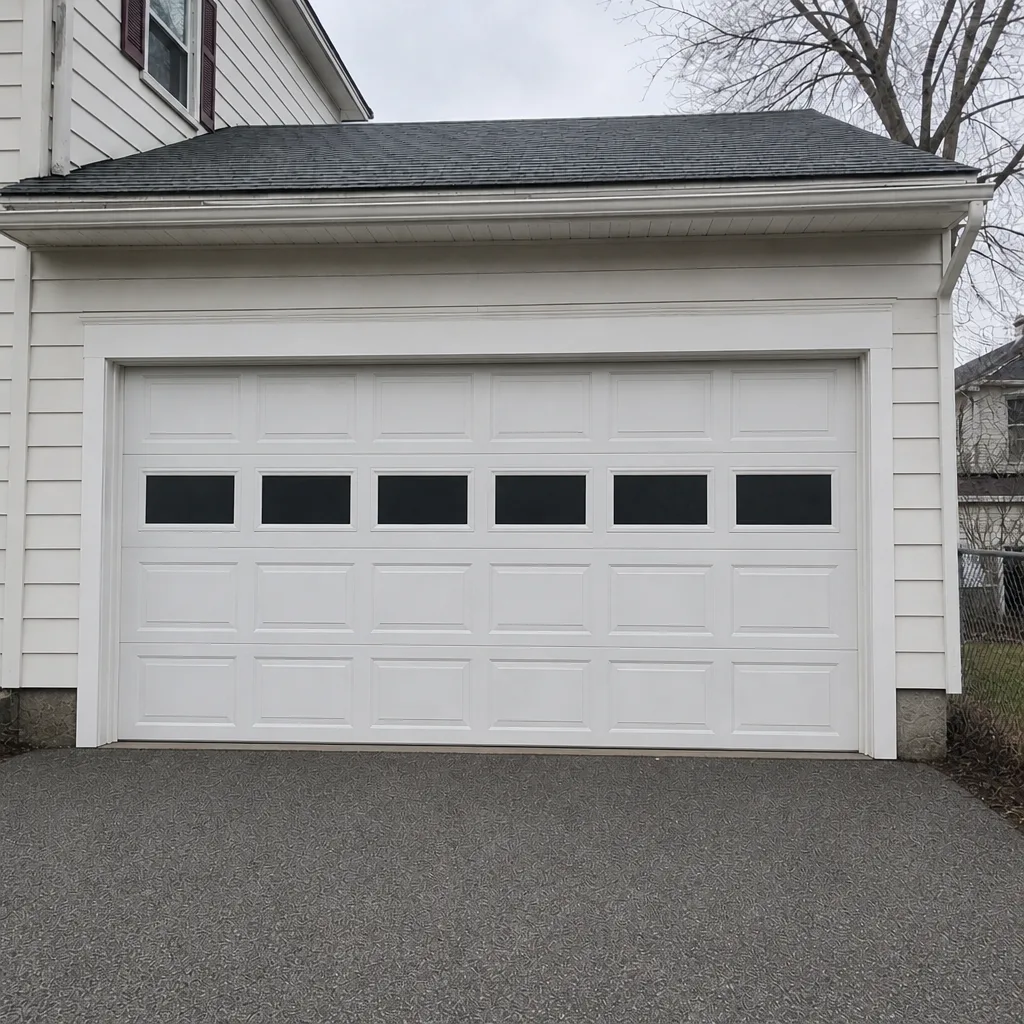
See the difference
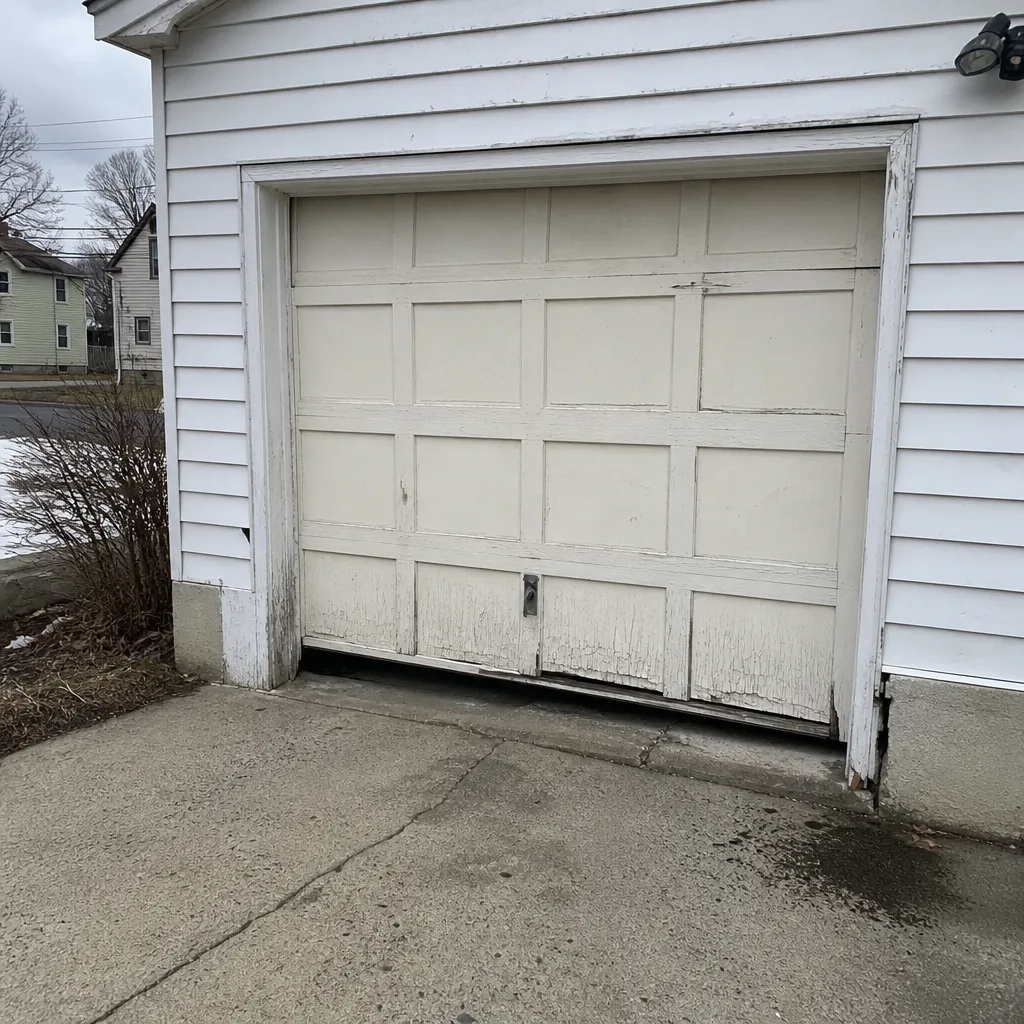 Before
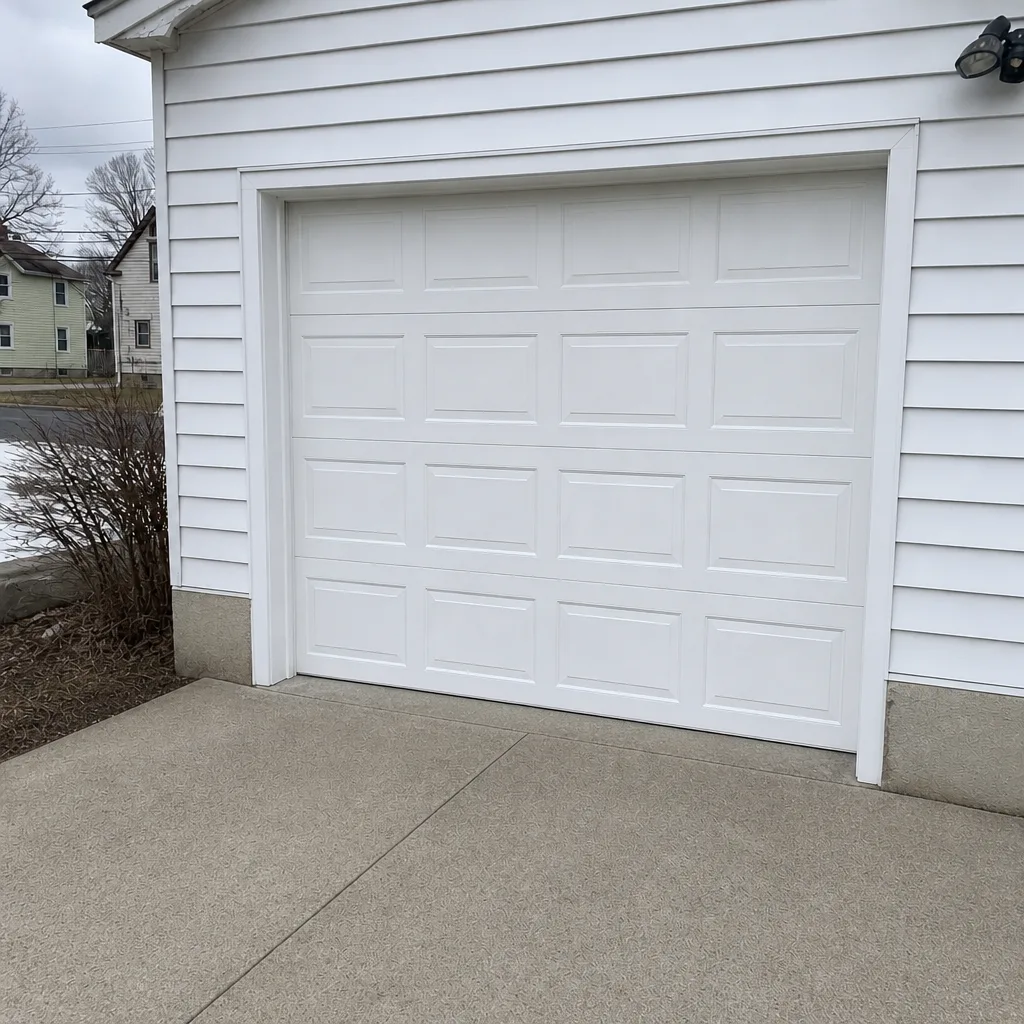 After
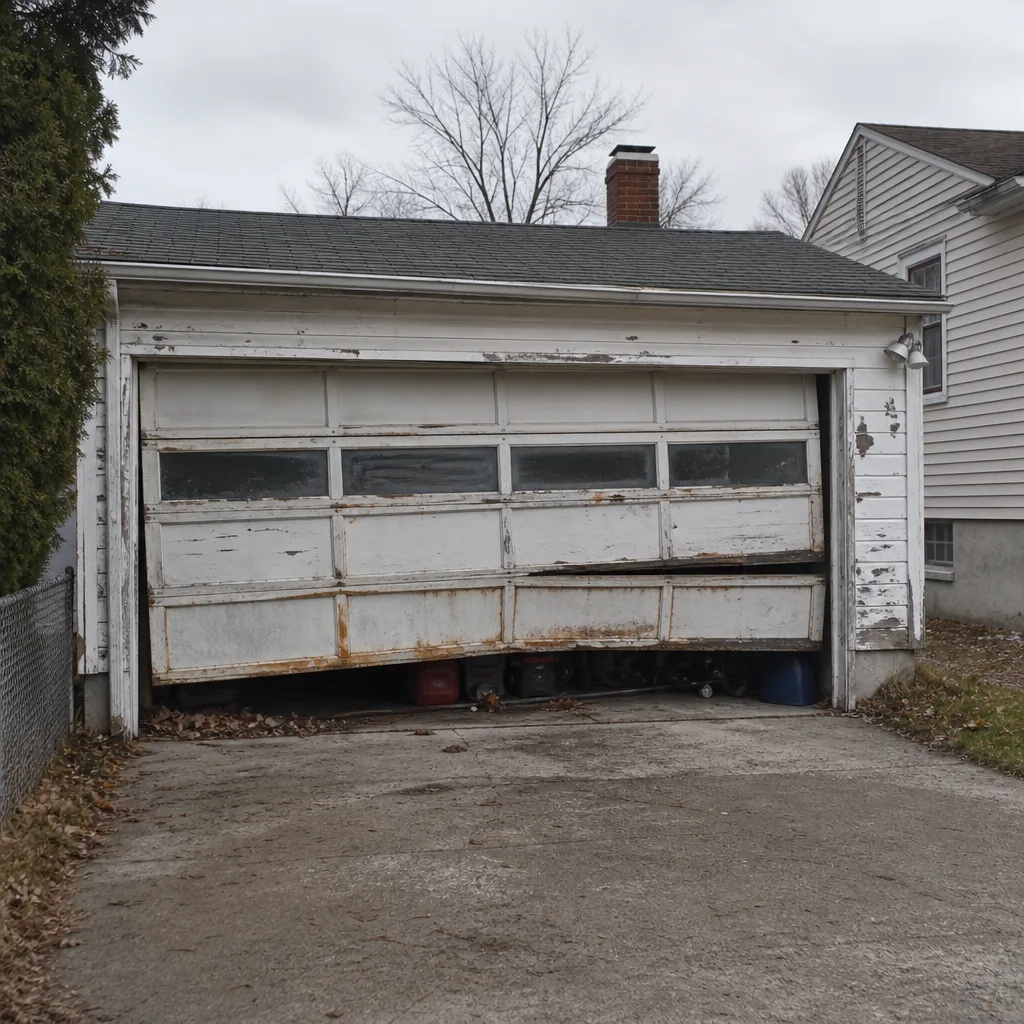 Before
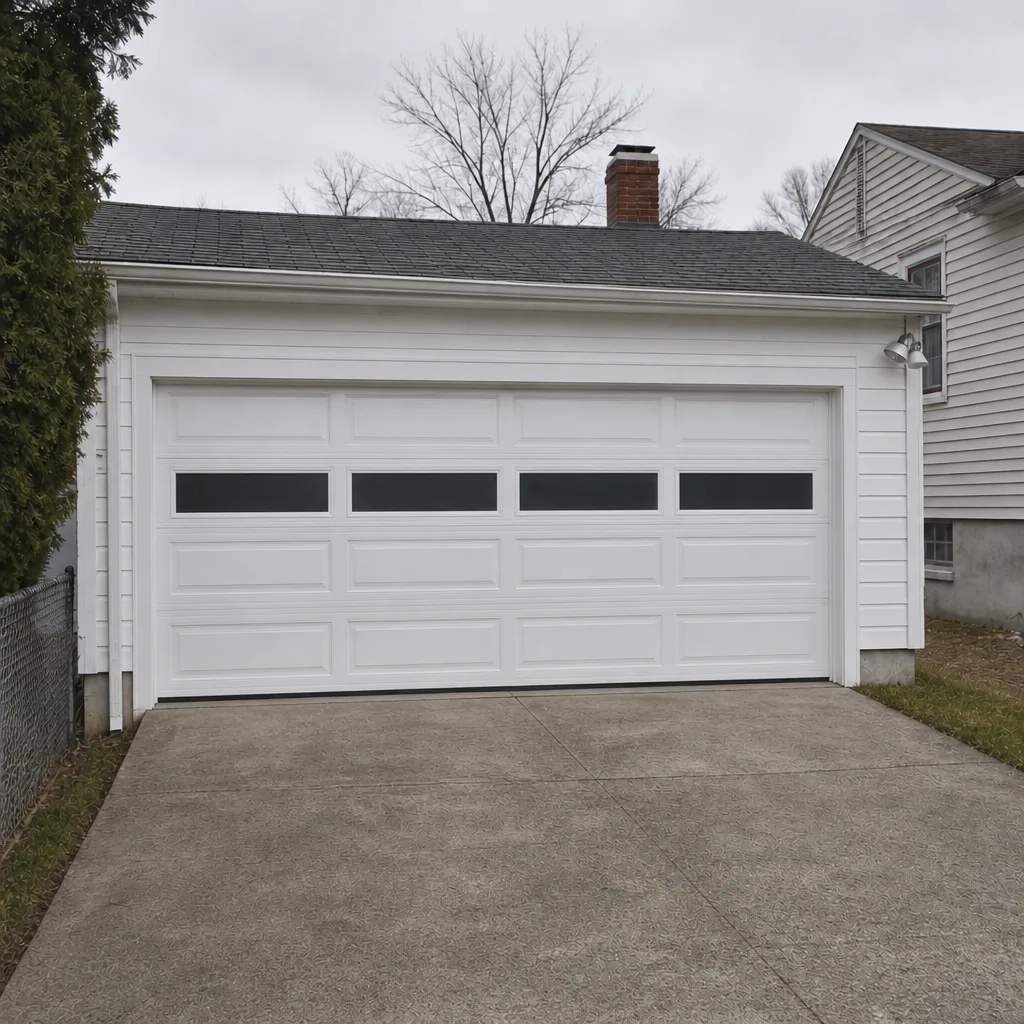 After
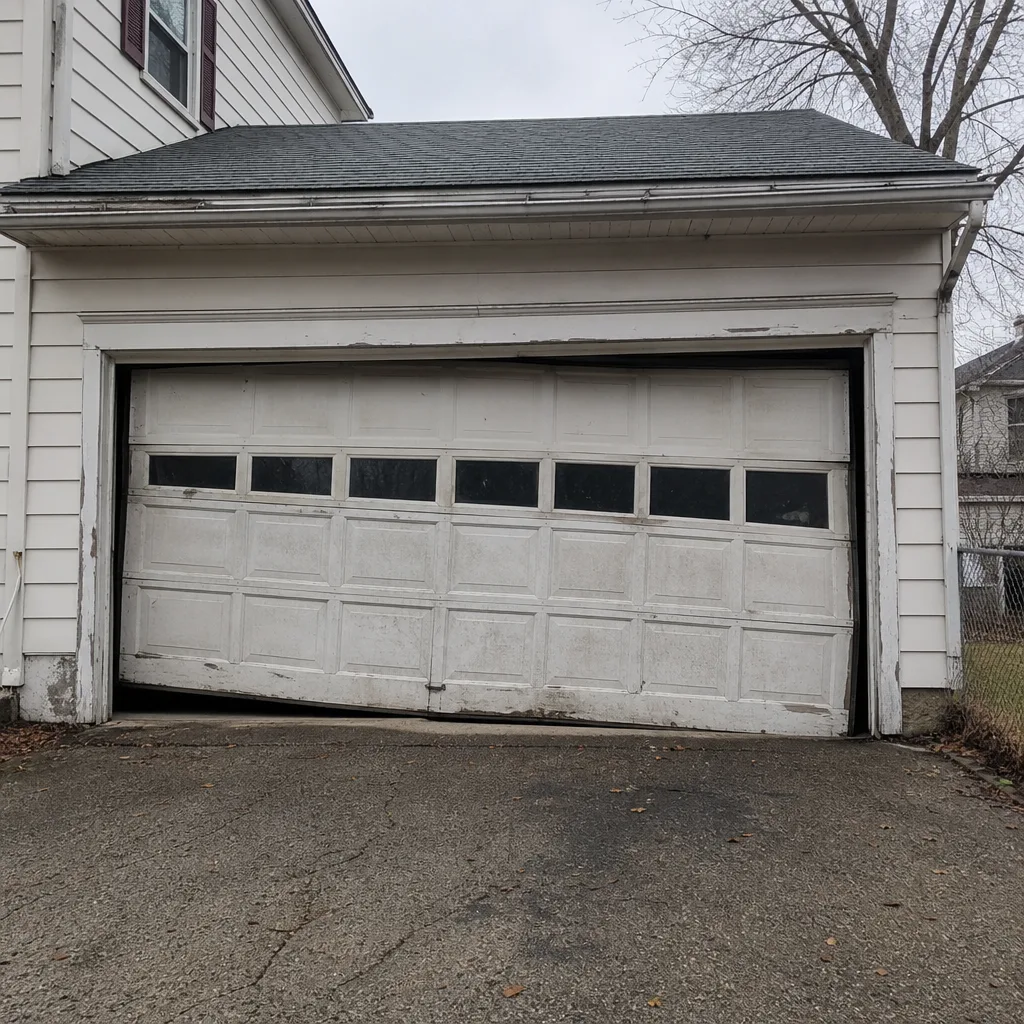 Before
 After
When to Call a Professional
If you’re weighing a permit, you’re usually weighing a door. The scenarios where a call makes sense: your door is over 15 years old and you’re considering a full replacement; your current door is on its last panel and you’re not sure if it’s a repair or a replacement; you’ve just bought a Chicopee home and want the door and opener checked for safety and for installation quality; your opener is on a legacy Craftsman system that no longer matches the door’s weight; or the door is off its tracks and can’t be operated safely. For those, Chicopee Garage Door Repair Co offers free estimates in Chicopee. Call (877) 401-9972 and we’ll tell you what the work actually involves, including whether it’s the kind of job that needs paperwork. One call covers door repair, opener repair, spring work, and new installation.
Frequently Asked Questions
It depends on the scope. A like-for-like replacement, same size door in the same opening with no structural change, is often exempt in Chicopee, but a replacement that changes the opening size, the door’s weight class, or a fire-rated assembly typically needs a building permit. Confirm your specific job with the Chicopee building department before the door is ordered. Call (877) 401-9972 for a free estimate and we’ll walk through whether your job is the kind that needs paperwork.
A repair fixes something on the existing door and doesn’t change the assembly – springs, cables, hinges, rollers, an opener board, or a replaced section panel. A replacement is exempt if it’s the same size, weight, and type in the same opening. Anything that changes the framing, the size of the opening, the door type, or a fire-rated component needs a permit. If your door is a heavier Clopay or Amarr model replacing a lighter one, ask the Chicopee building department about the header load before you order. Call (877) 401-9972 to discuss whether your job is a repair or a replacement.
On a final inspection: the door and hardware installed per the manufacturer’s spec sheet, the spring system correct for the door’s weight, safe manual operation, and – if the door is powered – the opener’s safety reverse function. If the garage is attached, the inspector will also check the fire-rated pedestrian door between the garage and living space. On a rough inspection, framing and header are checked before the door is hung. If your installation was signed off with closed permits, you have a baseline for any future resale question. Call (877) 401-9972 for a free estimate on any door work.
Ask the Chicopee building department to search the permit history on your address, check your closing documents for a seller’s disclosure of permitted work, and review the assessor’s property record for permitted major work. The permit, if it exists, is on file. If it isn’t, that’s an answer too. Give us a call at (877) 401-9972 if you want a technician to look at the door and opener and tell you what was installed and how well it was done.
Yes, in most cases an attached garage requires a fire-rated door between the garage and the living space, and the assembly includes the door, the frame, and the self-closing hardware. This is the code item most often missed on remodel work in older Chicopee homes. If you’re not sure what’s currently installed, the Chicopee building department can tell you what’s required for your address, and we can look at the existing setup on a service visit. Call (877) 401-9972 for a free estimate.
It can, but the delay is usually days, not weeks, if the paperwork is complete and submitted early. The mistake is ordering the door first and asking about the permit second. We schedule around the permit timeline, not the other way around. If your job may need a permit, call (877) 401-9972 early and we’ll plan the sequence with you – free estimate, no obligation.
The Bottom Line
In Chicopee, most garage door work is repair or like-for-like replacement and doesn’t require a permit. A full replacement that changes the opening, the door’s weight class, or a fire-rated assembly usually does. The fire-rated pedestrian door on an attached garage is the item most often skipped by installers who don’t think to check. Call the Chicopee building department before the door is ordered – it’s the cheapest step in the whole job. Keep the spec sheet and the closed permit with the home file. If you want a straight answer on whether your door needs paperwork, or you want the work done right the first time, we can help with any of it.
Chicopee Garage Door Repair Co handles garage door repair, garage door opener repair, spring work, and new door installation under one company, and we know the door and opener brands most Chicopee homes already have. If you’re not sure where to start, begin with Chicopee Garage Door Repair Co and call (877) 401-9972 for a free estimate. We’ll tell you what the work involves, what it costs, and whether your job is the kind that needs to go through the building department first. Estimates are free, and the price is quoted and agreed before any work starts.
Written by the team at Chicopee Garage Door Repair Co.