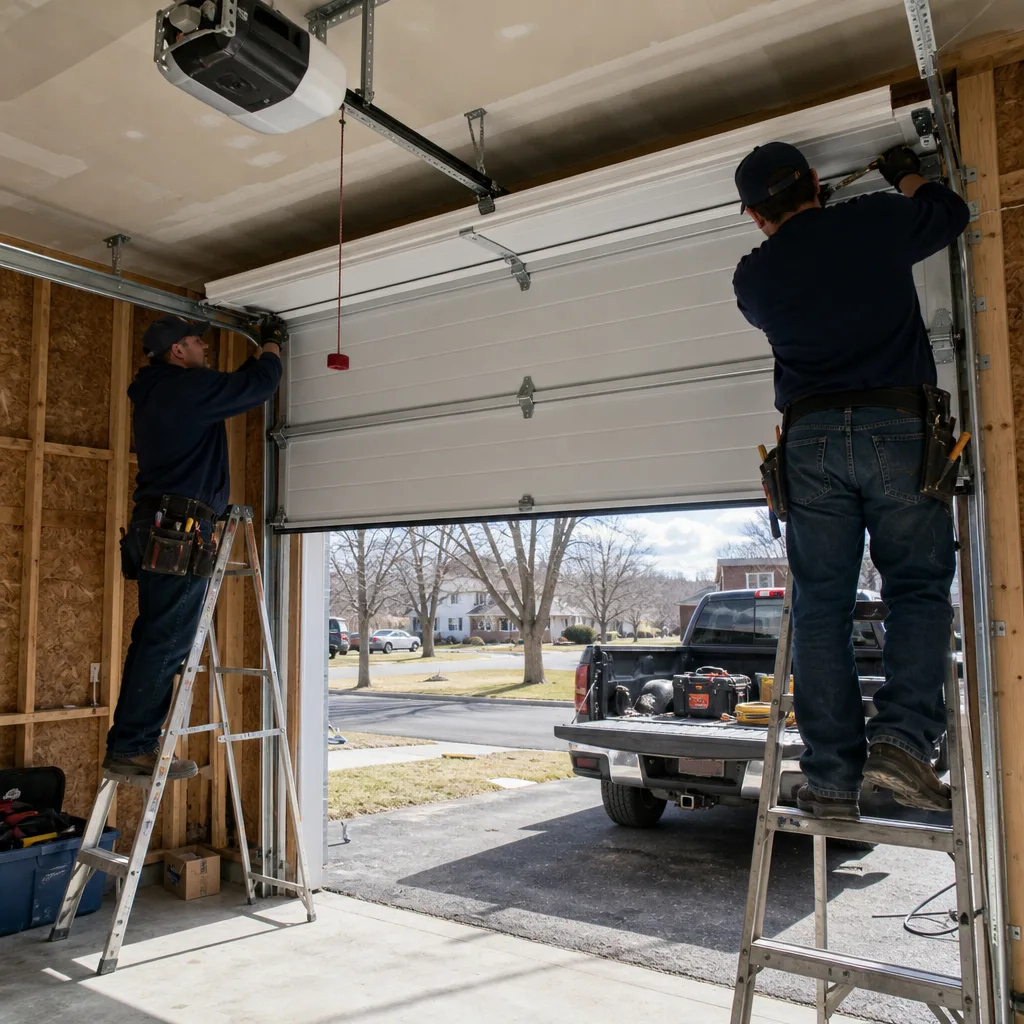
Last updated November 23, 2026
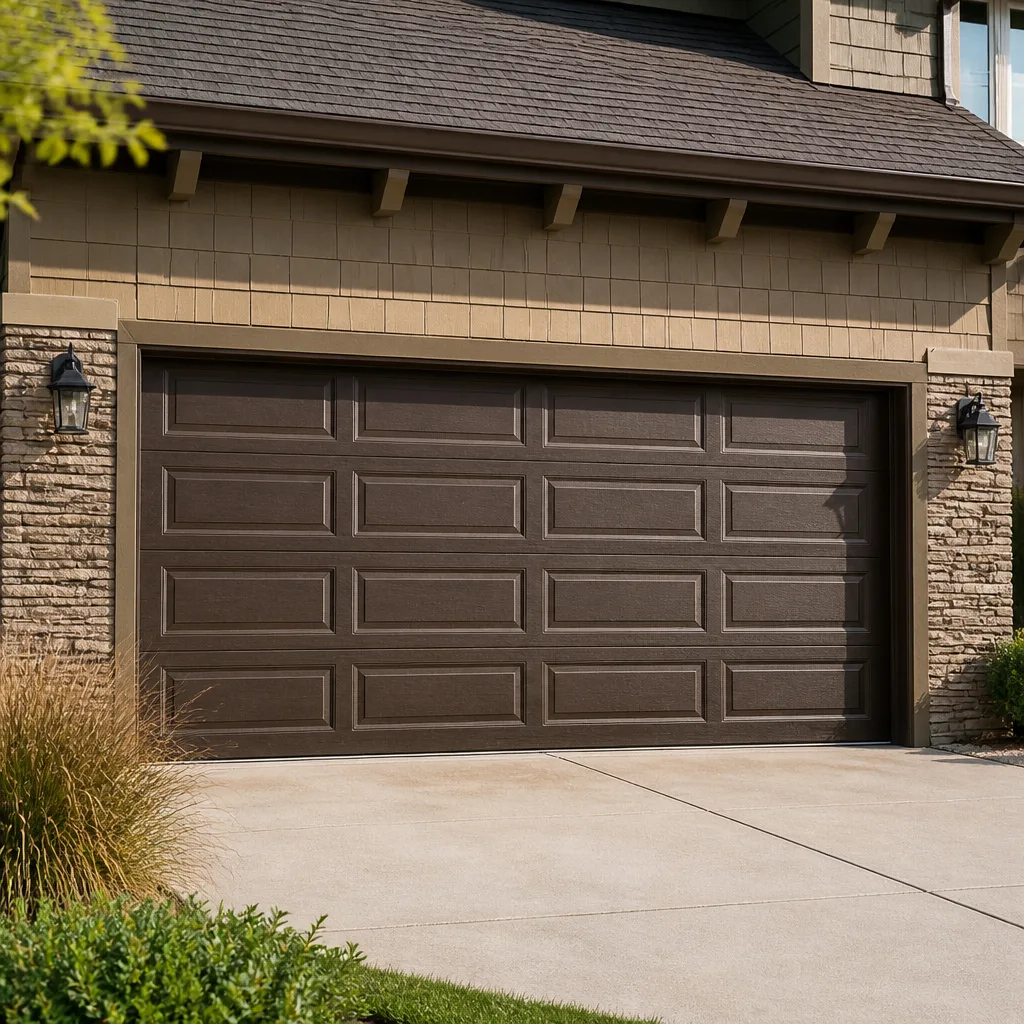 Raised-panel steel
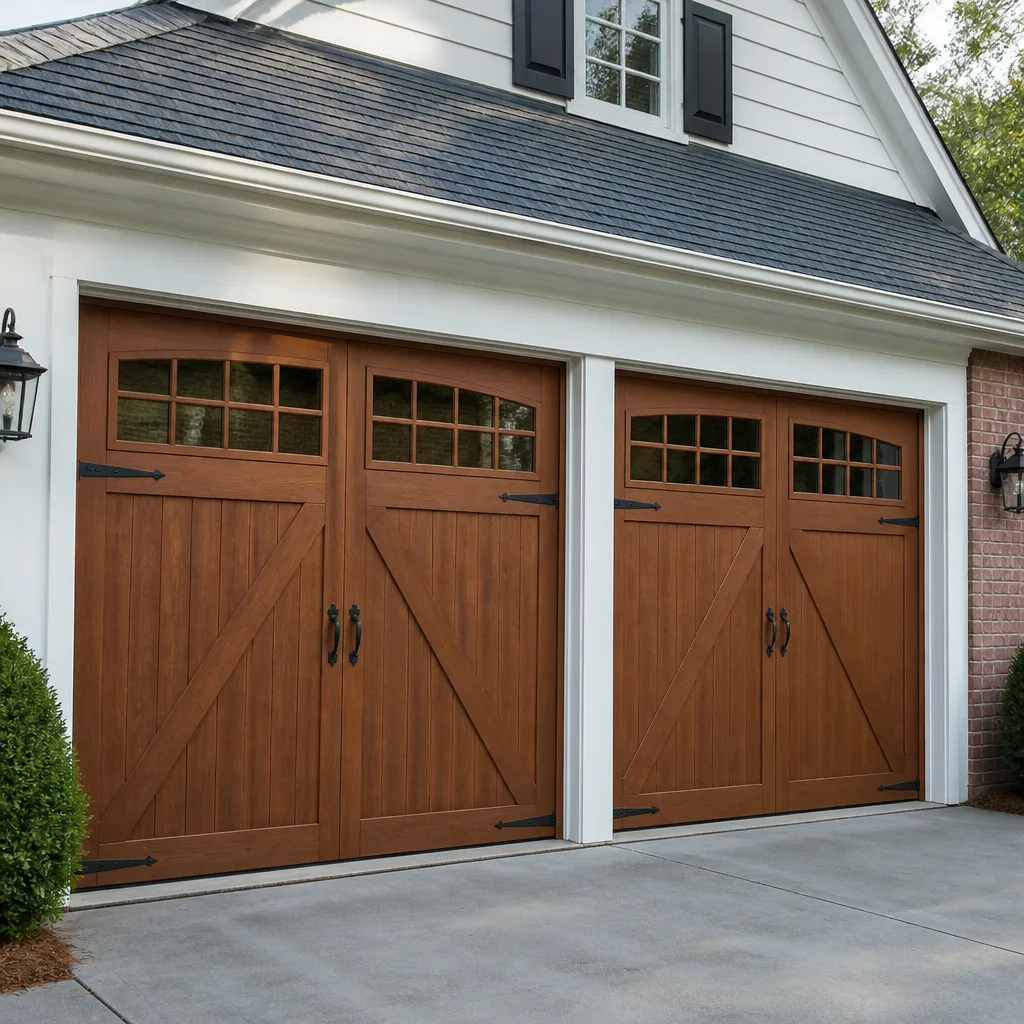 Carriage house
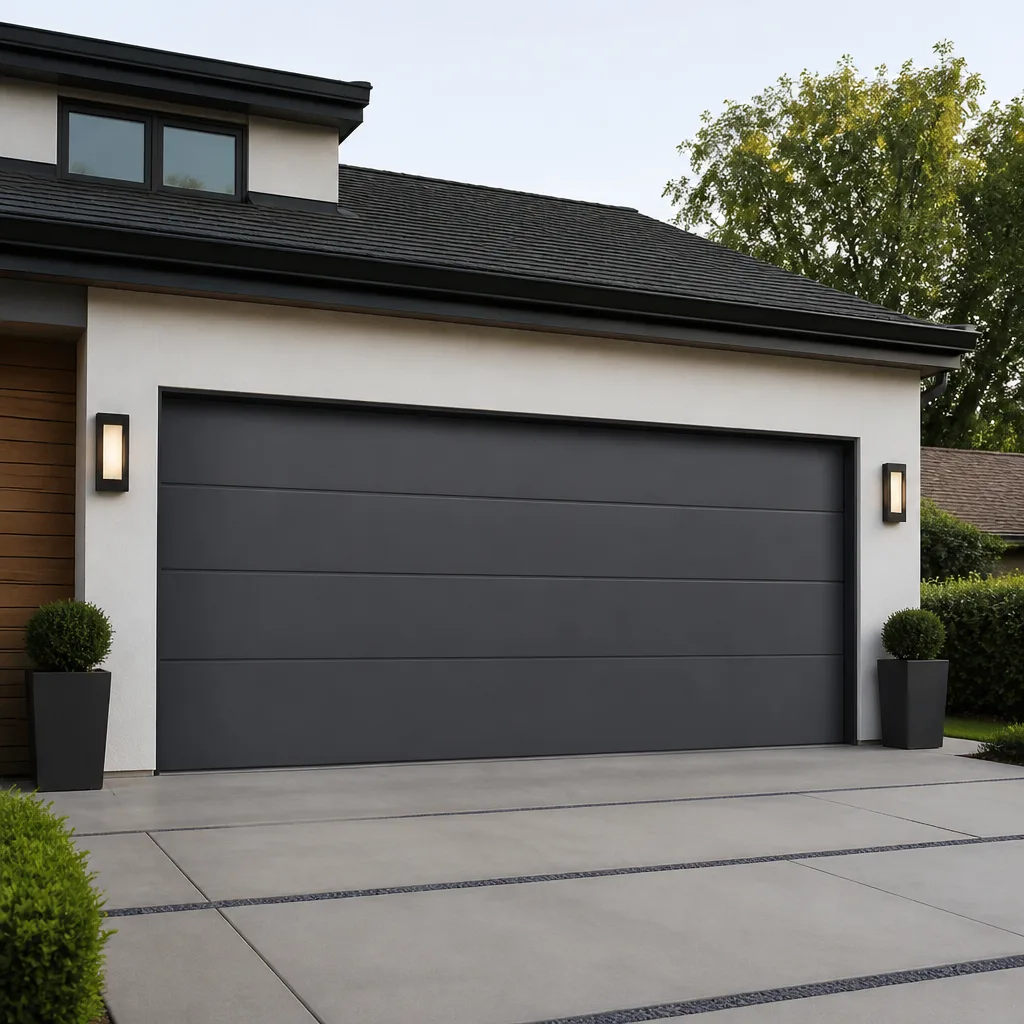 Modern flush
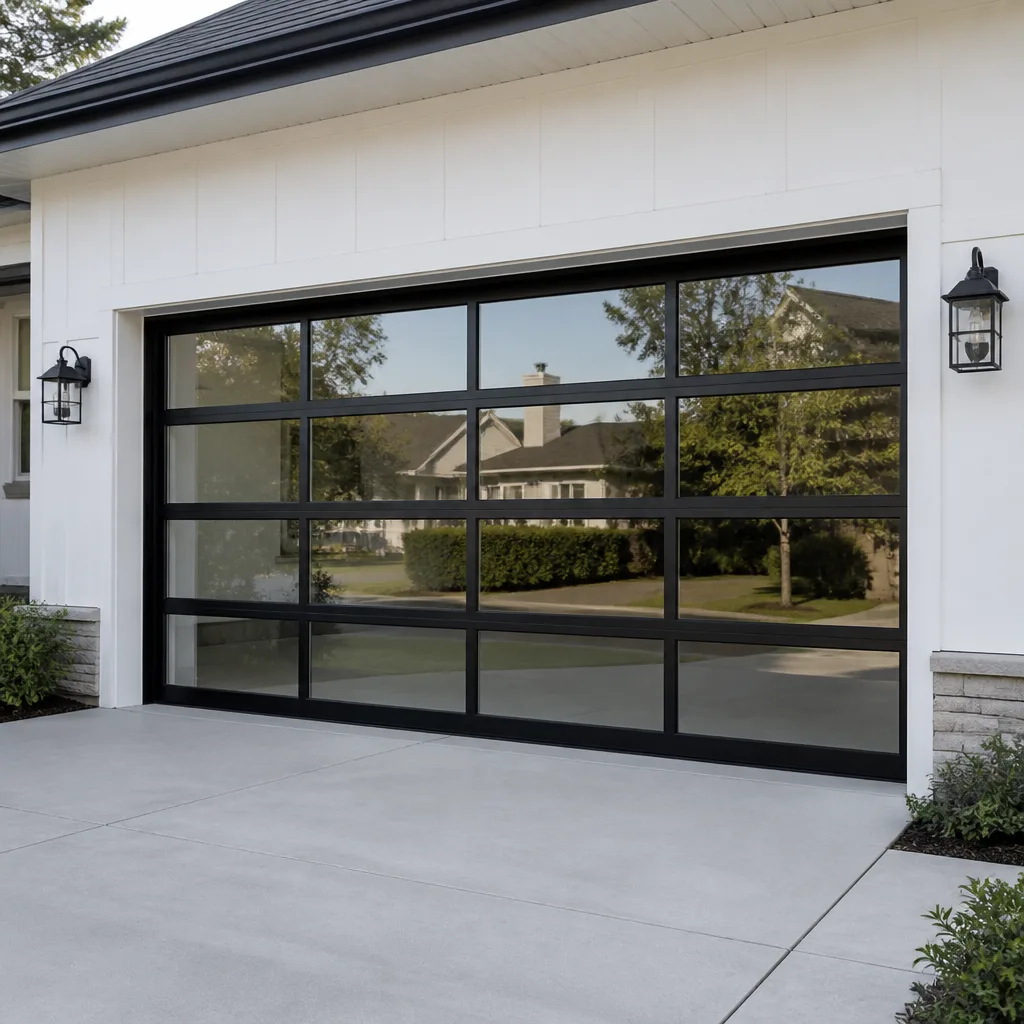 Full-view glass
 LiftMaster openers
 Chamberlain openers
Full 25-point door and opener safety check with every visit - springs, cables, rollers, tracks, and your LiftMaster or Chamberlain opener included
You get a price before we start. It does not change when the pro arrives.
Get your free estimateGarage Door Repair Maintenance Checklist for Chicopee Homeowners
The three repairs we get called for most often on Chicopee service calls share a common trait: none of them were sudden. A door that slams down hard, an opener that grinds and stalls in January, a bottom seal that’s frozen to the slab and torn by June. None of these appear on the standard “lubricate your hinges and call it a day” advice floating around online, and that’s exactly the problem. A real checklist for a Chicopee garage door has to account for what a western Massachusetts winter does to steel, rubber and motor housings over four or five months of freeze-thaw cycling. Below, we’ve organized the checks by what you can safely do yourself, what needs eyes only, and what should never be touched without training – so you know what to look for long before a small issue turns into an emergency call.
Quick Answer
A garage door maintenance checklist for Chicopee homeowners should cover three tiers: monthly eyes-only inspections (springs, cables, rollers, seal contact), seasonal DIY work (lubrication with the right product, seal cleaning, track wiping, balance testing), and annual technician checks (spring tension measurement, cable wear, opener force calibration and motor housing moisture). The single highest-value habit is a monthly visual pass – most of the expensive failures we see in Chicopee start as something you can spot in thirty seconds if you know where to look.
Styles & brands we work with
- Raised-panel steel
- Carriage house
- Modern flush
- Full-view glass
- LiftMaster openers
- Chamberlain openers
Table of Contents
- Tier 1: Eyes-Only Inspection (Monthly)
- Tier 2: Safe DIY Maintenance (Seasonal)
- Lubrication: What to Use, Where, and What to Never Touch
- Cold-Climate Failure Points Specific to Chicopee
- Testing Auto-Reverse and Force Settings Correctly
- Tier 3: Technician-Required Checks (Annual)
- The Honest Frequency Guide: Monthly, Seasonal, Multi-Year
- Common Mistakes to Avoid
Tier 1: Eyes-Only Inspection (Monthly)
This tier takes about two minutes and costs nothing. You’re not fixing anything – you’re training your eye to recognize normal so that abnormal stands out. Do it with the door closed first, then repeat with it open.
With the door closed, stand back and look at the whole panel assembly. The door should sit flush against the frame. Any daylight visible along the sides or top, or a bottom seal that isn’t making full contact with the slab, is worth investigating. In Chicopee, the freeze-thaw cycles along the Connecticut River valley mean the concrete slab in many older garages shifts slightly every winter. A seal that fit in October may not fit in February, and that gap lets cold air, moisture and small animals in.
Next, look up at the springs. You’ll see either one spring above the door’s center (torsion) or springs running along the tracks (extension). For torsion springs, check the coil for visible gaps or a stretched-out section. For extension springs, look for gaps in the coils and check that the safety cables running through the center of each spring are intact. Cables should be straight and taut with no fraying, kinks or rust-colored staining on the drum – that staining is a sign of a cable about to fail.
Walk the tracks and check every roller. Rollers should be round and move freely. A flat spot or a roller that’s lost its bearing surface will make the door noisy and stress the opener. Check hinges and brackets for cracks or loose bolts. Finally, test that the door is balanced: disconnect the opener (pull the release cord), lift the door halfway by hand and let go. It should hold roughly in place. If it drops or rises on its own, the springs are out of balance.
- Door sits flush; no daylight gaps around the frame or at the floor
- Bottom seal makes full contact with the slab
- Torsion spring coils show no gaps or stretching
- Extension springs have intact safety cables
- Cables straight, no fraying or rust stains on drums
- Rollers round, quiet and free-spinning
- Hinges and brackets tight with no cracks
- Door balances when disconnected at half-open
Tier 2: Safe DIY Maintenance (Seasonal)
This is the work you can do with basic tools and no risk of injury, done at each season change – so roughly four times a year in Chicopee. The winter and spring passes matter most because that’s when the door takes the hardest beating.
- Wipe down the tracks. Use a damp cloth, not solvent. A stiff buildup of old grease and grit is what makes rollers grind. Don’t use household degreasers on painted tracks – they strip the finish and invite rust.
- Clean the bottom seal. Lift it, wipe out trapped grit and leaves, and check for cracking or hardening. A rubber-safe protectant keeps it pliable through the cold. Don’t use petroleum jelly or silicone spray designed for metal – both degrade rubber over time.
- Lubricate the moving parts (see the next section for details). Rollers, hinges, the torsion spring coils (lightly), and the bearing plates. Never the tracks themselves.
- Test the manual release. Pull the red cord, make sure the door moves smoothly by hand, then re-engage. A release that’s stiff or stuck is a real problem when the power goes out and you need to get the car out.
- Check the photo-eye alignment. Those two small lenses near the floor on either side of the door should have a clear line of sight and a steady indicator light. Wipe the lenses clean and clear away any snow, leaves or stored items.
- Tighten the hardware. Roller brackets, hinge screws and the track bolts. Nothing should need more than a snug turn with a socket wrench – if a bolt is loose every season, that’s a sign of a bigger problem.
This is also the right moment to look at the garage door repair you’ve been putting off. A door that bangs on close or hesitates on open isn’t going to fix itself, and the seasonal check is when the small stuff stays small.
Lubrication: What to Use, Where, and What to Never Touch
Lubrication is where homeowners get it wrong more than any other single item on any checklist. The most common error is spraying the tracks – which sounds sensible and actually makes the problem worse. Tracks are meant to be clean and dry. The rollers are supposed to slide in them, not glide, because the rollers themselves do the rolling. Grease on the tracks collects grit, and grit grinds down both rollers and track surfaces.
The correct product is a garage door lubricant – usually a lithium- or silicone-based spray designed for the purpose, sometimes sold as a “roller and hinge lubricant.” White lithium grease works too. WD-40 in its classic form is not a substitute; it’s a light solvent that displaces water but doesn’t leave durable lubrication, and it will attract dust.
Apply to these parts:
- Rollers – a few drops on the stem and bearing, not the wheel itself
- Hinges – a small amount at each pivot point
- Torsion spring coils – a light coating, never a soaking; the coils need to move against each other slightly under tension
- Bearing plates and center bracket – where the torsion bar passes through
- Lock and handle mechanisms – on manually operated doors
Never apply to:
- Track surfaces – keep them clean and dry
- The opener rail’s drive screw or chain – unless you’ve checked the manufacturer’s spec; some are factory-lubricated and don’t need more, and over-lubricating the rail attracts grit onto the drive gear
- The photo-eye lenses – clean them with a dry cloth, never spray
- The painted panels – no oil, no spray; it streaks and attracts dirt
One application every season is plenty in Chicopee’s climate – two if the door is heavily used. Over-lubrication is a real problem: excess grease drips onto the panels and the slab and collects grit where you don’t want it.
Cold-Climate Failure Points Specific to Chicopee
Chicopee sits in the Connecticut River valley, which means hard winters with repeated freeze-thaw cycles and occasional stretches of single-digit or sub-zero temperatures. That combination creates three failure patterns that don’t show up in Dallas or Phoenix and don’t appear on generic checklists.
Frozen bottom seals
A rubber bottom seal that touches a concrete slab in freezing weather can freeze to it. The next time the door opens, the seal either tears away or – worse – grips the slab hard enough that the opener strains against it. The result is a stripped opener gear, a damaged bottom bracket, or a spring that suddenly releases. The fix is preventive: keep the seal pliable with a rubber protectant, clear snow and standing water away from the door line after a storm, and if the seal has hardened or is visibly cracked, replace it before winter. A slightly raised seal position – a fraction of an inch of clearance – also helps, and a reputable technician can adjust the down limit to leave that gap without compromising the door’s security.
Spring brittleness in sub-zero temperatures
Steel springs in a garage that isn’t heated become more brittle as temperatures drop. A spring that’s already showing wear or has lost some of its tension is far more likely to snap at 5 degrees than at 45. This is one of the reasons we see a spike in garage door spring repair calls in Chicopee after the first hard cold snap of the year. The spring was probably on its way out already – the cold just finished the job. Monthly visual checks on the coils are your early warning.
Moisture in the opener motor housing
In an unheated Chicopee garage, warm humid air in fall meets cold metal in winter and condenses inside the opener housing. Over several seasons, that moisture can corrode the control board, the drive gear, or the limit switch contacts. This is especially common in older LiftMaster and Chamberlain units mounted close to an uninsulated ceiling. Signs are erratic behavior, blinking lights, or a unit that works fine in summer and won’t close all the way in January. Keeping the housing sealed and the garage roughly ventilated helps, and a technician check of the interior is worth doing every couple of years on an older unit.
Other cold-weather checks worth knowing: metal tracks contract in cold and can bind a door that ran freely in summer, so track bolts need to be checked seasonally; and older wooden doors can swell in humid weather and bind, which loads the opener and springs. Chicopee has plenty of homes with original wood doors, so this isn’t a rare case here.
Testing Auto-Reverse and Force Settings Correctly
“Check that it reverses” is not a useful instruction. The actual test has a specific standard, and there are two different safety systems to check – the photo eyes and the mechanical force/contact reversal.
Photo-eye test
- Open the door to about chest height using the wall control or remote.
- Wave a hand, a broom handle or a piece of cardboard through the beam between the two lenses at the base of the door.
- The door should reverse direction immediately. If it doesn’t, the photo-eye system is misaligned, obstructed or faulty.
- Check that the indicator light on each eye is steady, not blinking. A blinking light usually means misalignment or a dirty lens.
Contact reversal (force) test
This is the test most homeowners skip because it involves deliberately obstructing a closing door. Do it safely:
- Place a 2×4 or a rolled-up towel about 1.5 inches thick flat on the floor directly under the center of a closing door.
- Close the door using the wall control.
- When the door contacts the obstruction, it should reverse within about two seconds of contact and return to the open position.
If the door presses down, stalls, or needs more than a moment to reverse, the force setting is too high or the opener’s travel limits are off. The force setting is adjustable on most openers – usually a small dial or screw on the back or side of the unit – but adjusting it wrong is its own hazard. Too much force means the door won’t reverse when it should. Too little means the door stops mid-travel and reverses for no reason. If the test fails, the right move is to have the opener checked, not to crank the dial and hope. This is one of the checks we do during a standard garage door opener repair visit.
Tier 3: Technician-Required Checks (Annual)
Some of the most important maintenance on a garage door involves parts you should never work on yourself. High-tension springs and the cables attached to them are under enough force to cause serious injury or death. We handle them, and we recommend every Chicopee homeowner have a trained technician perform these checks once a year – ideally in early fall before the cold season.
- Spring tension measurement. A technician can measure how much tension the springs are actually holding versus their rated capacity, and spot a spring that’s fatigued but hasn’t broken yet. This is the single most useful piece of information you can get about your door’s near-future health.
- Cable inspection at the drum and brackets. The cable ends and the drum set screws fail before the visible cable does. A technician catches that.
- Opener gear and control board inspection. On LiftMaster, Chamberlain and Genie units especially, the internal plastic drive gear wears and the control board can develop the moisture issue mentioned above. A look inside the housing catches both.
- Balance and travel limit calibration. Even a well-maintained door drifts out of balance over time. Calibration on the opener’s up and down limits keeps the door from straining.
- Track and panel alignment. Small shifts in the frame or slab – common in older Chicopee garages – can cause the door to bind without the homeowner noticing until a roller or panel fails.
These checks take under an hour on a typical door and are far cheaper than a spring or opener replacement. Call (877) 401-9972 to schedule a maintenance inspection – we offer free estimates before any work starts, and the price is quoted and agreed before we touch the door.
The Honest Frequency Guide: Monthly, Seasonal, Multi-Year
Most checklists either overwhelm you with daily tasks or tell you to “have it inspected periodically,” which is useless. Here’s the honest breakdown of what actually needs doing and when, based on what we see on Chicopee service calls.
| Interval | Task | Who |
|---|---|---|
| Monthly | Visual inspection: springs, cables, rollers, seal contact, balance test | Homeowner |
| Monthly | Photo-eye and force reversal test | Homeowner |
| Seasonal (4x/year) | Lubrication, track wipe-down, seal cleaning, hardware tightening | Homeowner |
| Before winter | Seal replacement if hardened or cracked; spring visual deep check | Homeowner + technician if suspicious |
| Annual | Full technician inspection: spring tension, cables, opener internals, balance calibration | Technician |
| Every 2-3 years | Roller replacement if worn even if not yet failing; opener gear inspection on older units | Technician |
| As needed | Spring replacement, cable replacement, panel or door replacement | Technician only |
Two things to know about this table. First, spring life is measured in cycles, not years – a typical torsion spring lasts somewhere in the range of 10,000 cycles, and a household that opens the door four times a day uses about 1,460 cycles a year. Heavy use, a heavy door, and cold weather all pull that number down. Second, an annual technician visit is not a sales pitch – it’s the difference between replacing one worn part on a scheduled visit and replacing two or three parts after a failure on a cold night.
Common Mistakes to Avoid
- Spraying lubricant on the tracks. It sounds right, and it’s the fastest way to collect grit and wear out your rollers. The tracks should be clean and dry. Every other moving part wants lubrication; the tracks don’t.
- Using WD-40 as a lubricant. It’s a solvent and water displacer, not durable lubrication. It’ll quiet a hinge for a week and then attract dust. Use a proper garage door lubricant or white lithium grease.
- Adjusting the opener force setting to “fix” a door that’s binding. If the door is binding, the force setting isn’t the problem – the door is. Turning up the force to push through the bind is how doors fall or openers strip gears. Fix the cause.
- Ignoring a seal that’s frozen to the slab. In Chicopee, this happens every winter. Tearing the seal or straining the opener on every open is a slow way to a spring or gear failure. Clear ice and adjust down limits if needed.
- Tightening the torsion spring yourself. This is the one item on the list you should never do, at any skill level, in any weather. Springs are under enough tension to cause serious injury. We handle them – that’s why we offer garage door spring repair as a dedicated service.
- Treating a photo-eye failure as a minor glitch. A door that closes with an obstructed beam is a crush hazard. Re-align or replace, don’t ignore.
- Putting off an annual technician check “because nothing’s wrong.” The whole point of a maintenance inspection is to find the thing that’s about to go wrong before it does. Skipping it until something breaks is exactly how a routine repair becomes an emergency call.
See the difference
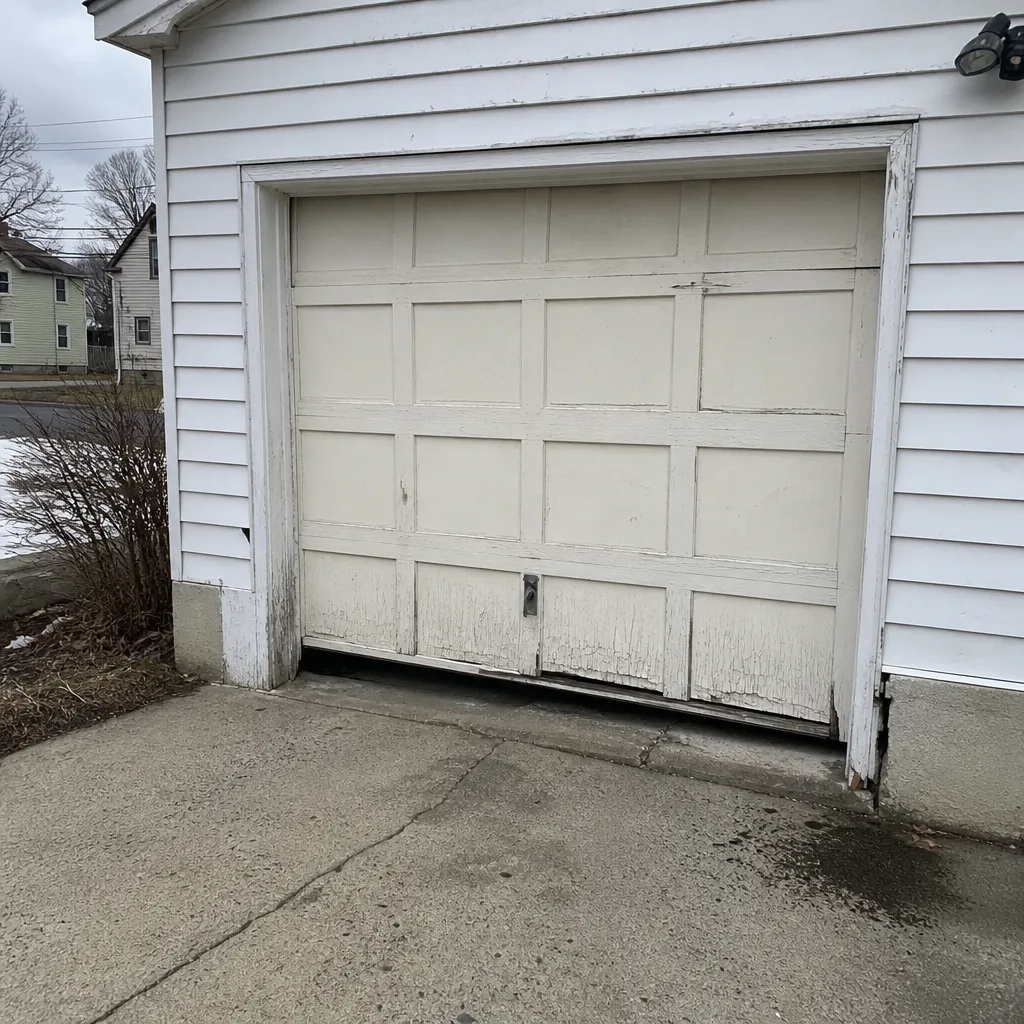 Before
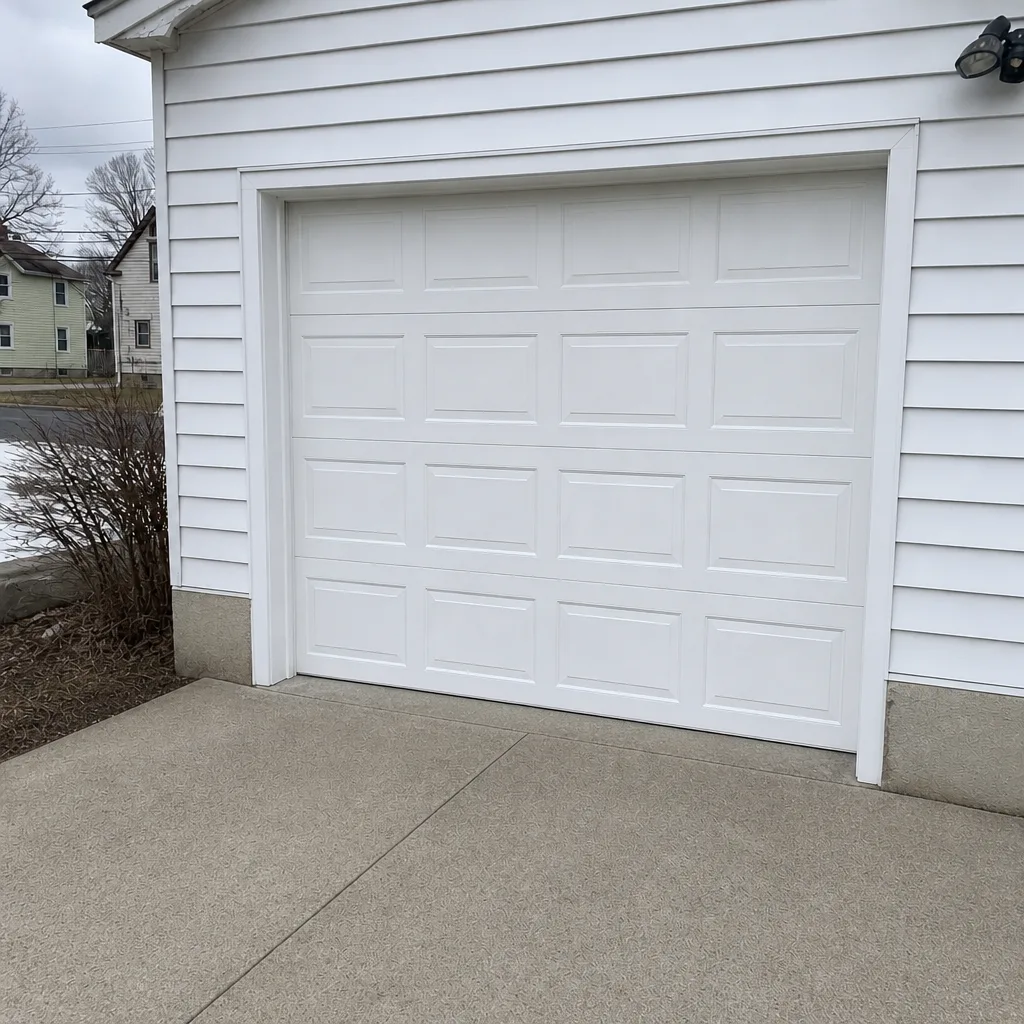 After
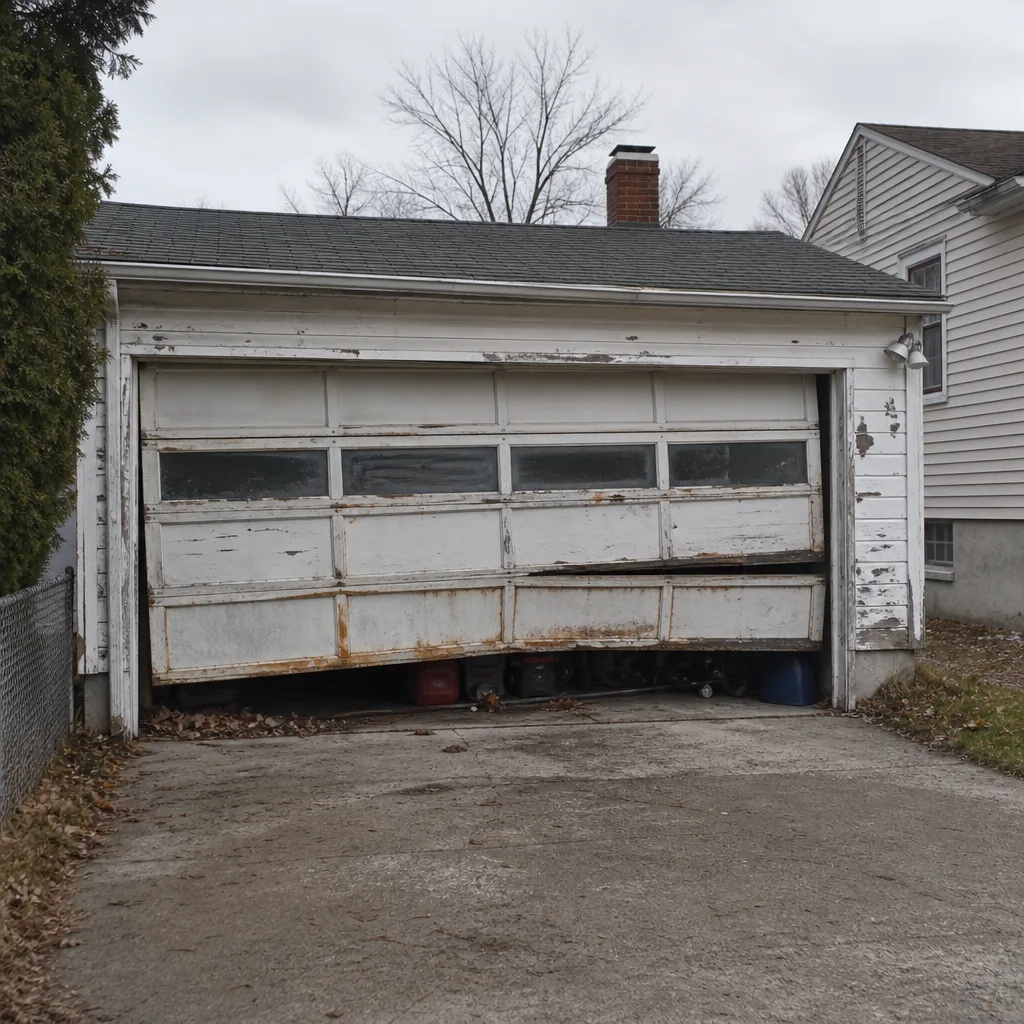 Before
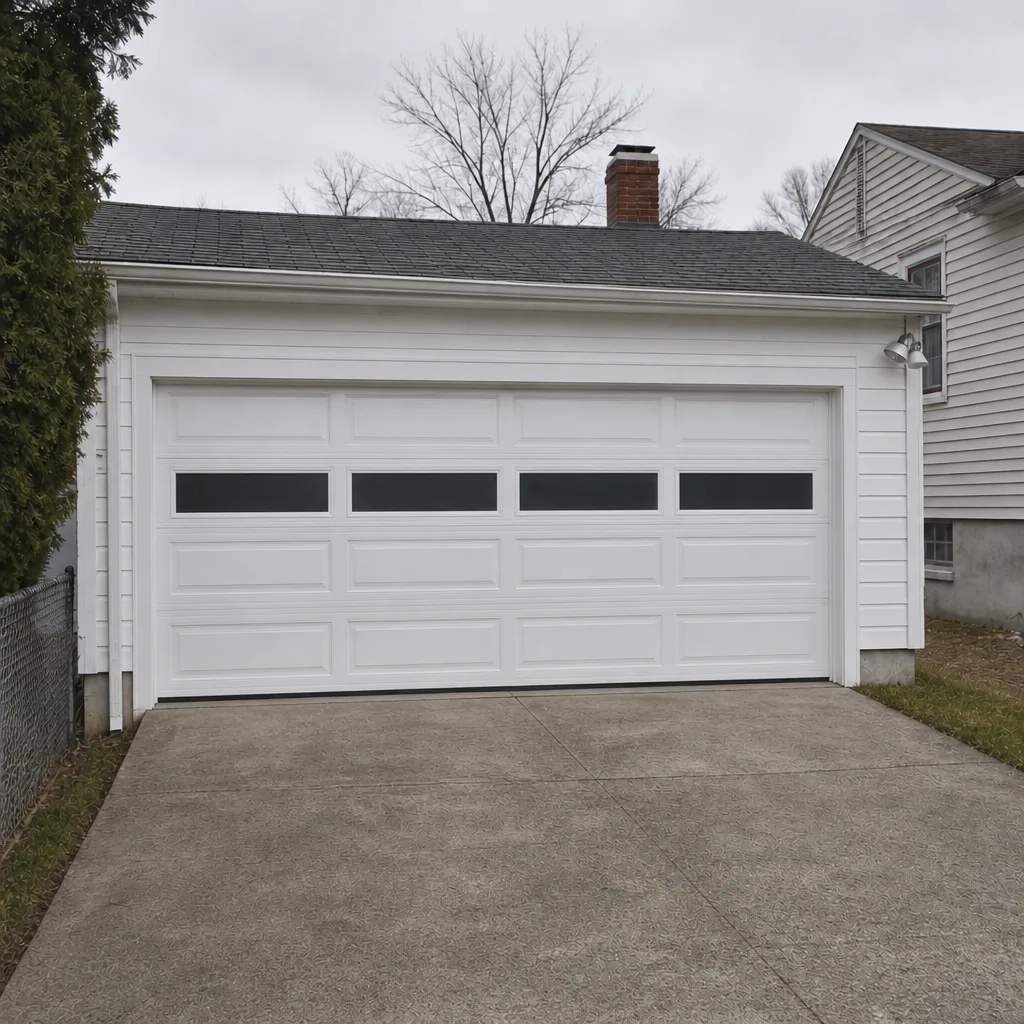 After
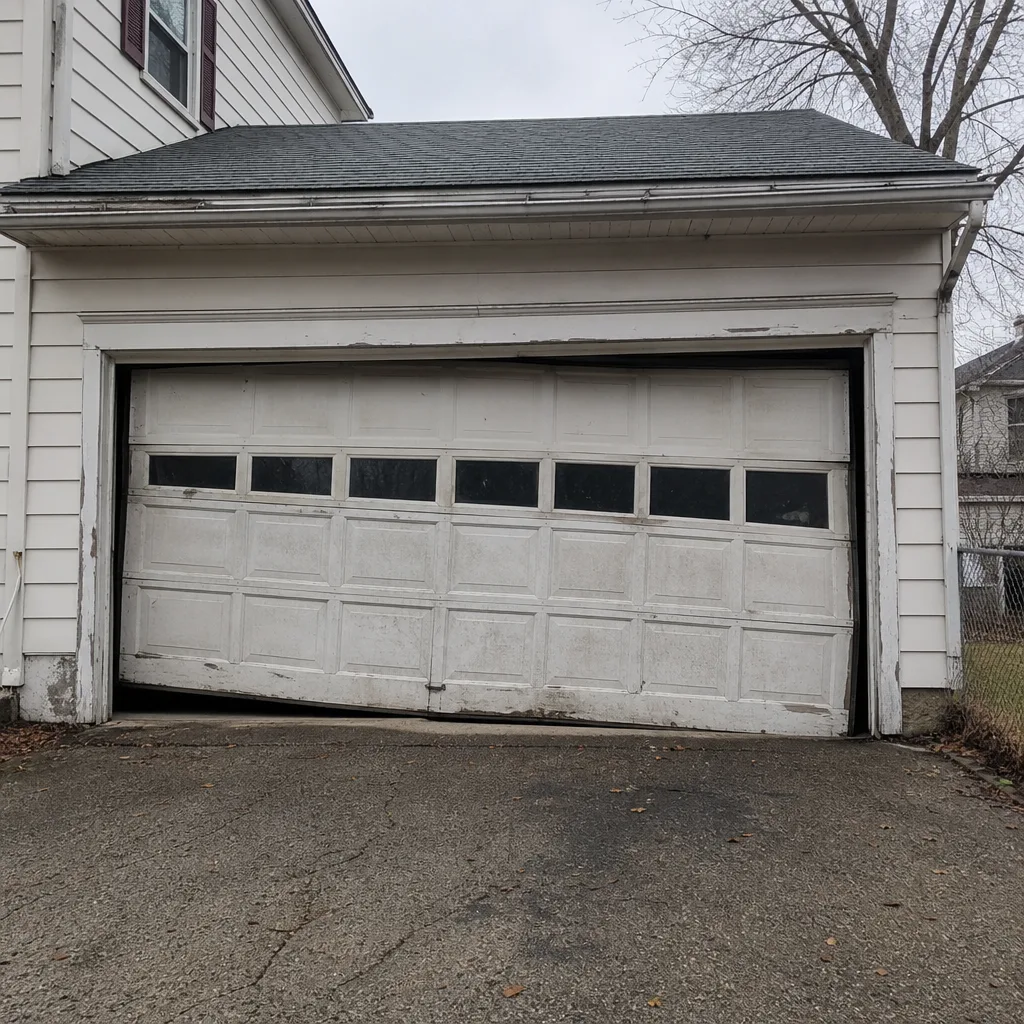 Before
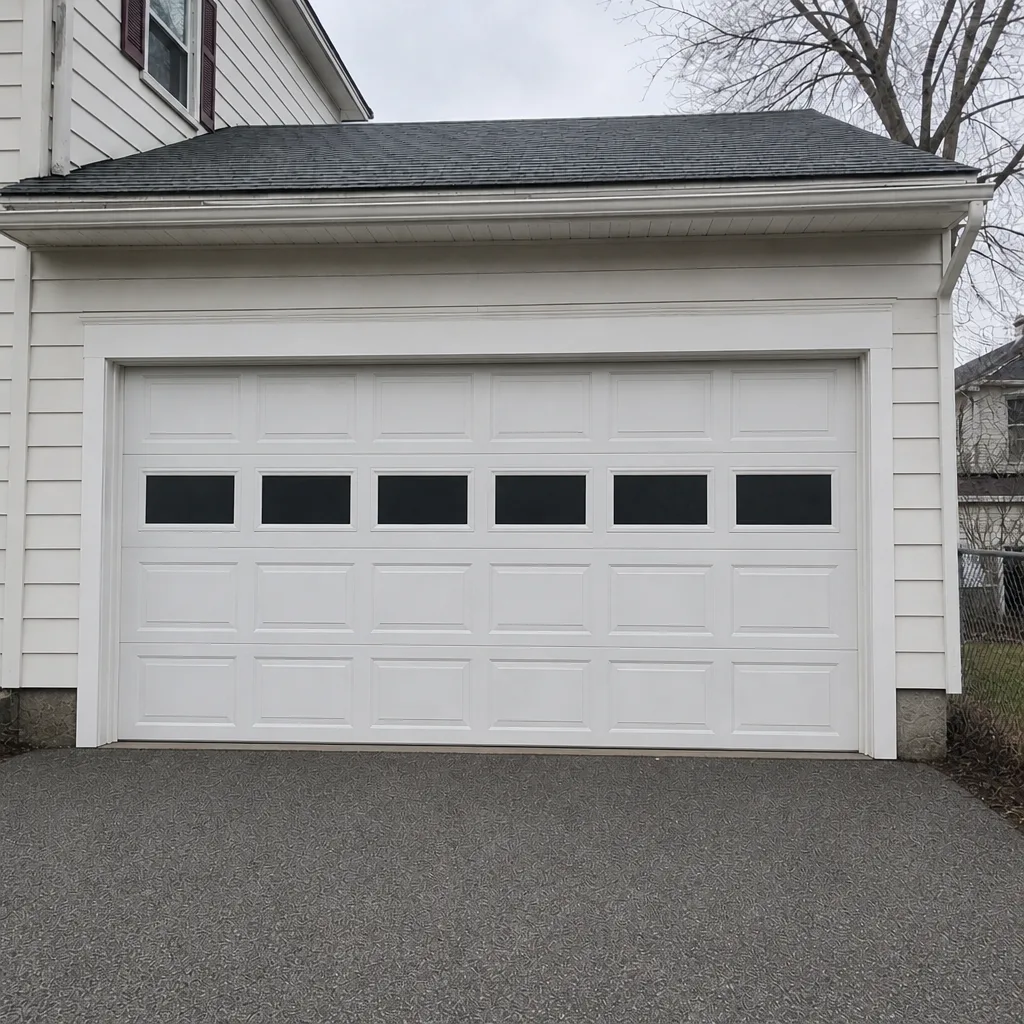 After
When to Call a Professional
Call a professional any time the issue involves a torsion spring, a cable, the opener’s internal drive gear or force calibration, or a door that’s visibly out of balance or binding. Those are the areas where a small mistake can cause serious injury or turn a contained problem into a much larger repair. Also call if the door is making a new noise – a snap, a bang or a grind – or if it’s hesitating on open or close more than once. Chicopee Garage Door Repair Co offers free estimates in Chicopee – call (877) 401-9972 and we’ll take a look, quote a price in writing, and agree on it before any work starts.
Frequently Asked Questions
Once per season is right for most Chicopee homes, so about four times a year. If your door gets heavy daily use – say a family of four coming and going all day – you can go to every couple of months. The most important application is the one before winter, so moving parts are protected through the cold season. Use a proper garage door lubricant on the rollers, hinges, torsion spring coils and bearing plates, and never on the tracks.
Frozen bottom seals and brittle springs are the two that cause the most calls. A seal that’s frozen to the slab gets torn on the next open or strains the opener, and a spring that was already worn is much more likely to snap in sub-zero temperatures. Keeping the seal pliable with a rubber protectant and getting a technician to check spring tension before winter are the two most effective preventatives. Call (877) 401-9972 if you notice either issue – estimates are free.
Look for visible gaps in the coils, a stretched-out section of the spring, or a door that feels much heavier than usual when you manually lift it. A single sharp bang from the garage with the door not moving afterward usually means the spring has already snapped. If you see any of the warning signs, have a technician measure the tension before it fails – spring replacement is a much better experience than a spring failure on a cold night.
You can safely handle the DIY items – cleaning photo-eye lenses, testing the auto-reverse, checking that the manual release works, wiping down the exterior. Anything involving the internal gear, the control board, the force setting or the travel limits should be a technician call, especially on LiftMaster, Chamberlain and Genie units. The force setting is safety-critical and easy to get wrong. Call (877) 401-9972 – estimates are free and the price is agreed before work starts.
A typical torsion spring is rated for roughly 10,000 cycles, and most households use somewhere around 1,000 to 1,500 cycles a year, so a spring can last anywhere from seven to ten years – sometimes less in a cold climate. Chicopee’s winters push springs harder, and a door with a heavy panel or track binding will wear a spring faster. If your spring is past seven or eight years, an annual tension check is worth doing.
Yes. An annual technician check catches worn springs, fraying cables, opener gear wear and small alignment issues before they fail. The cost of the inspection is far less than the cost of an emergency repair, and it lets you plan a replacement rather than discover it on a morning when the car is stuck inside. Call (877) 401-9972 to book a maintenance visit – we’ll quote the price in writing and agree it before we start.
The Bottom Line
The garage door in a Chicopee home works harder than most homeowners realize – it opens dozens of times a week, then faces months of freeze-thaw cycling, sub-zero temperatures and a slab that shifts under a rubber seal. Most of the expensive failures are preventable, and almost all of them start as something you can spot in a monthly walk-around. Learn the three tiers – the two-minute eyes-only inspection, the seasonal DIY pass, and the annual technician check – and you’ll know what you’re looking at before a small problem becomes an emergency bill. We work on what you already have, including Raynor, LiftMaster, Chamberlain and Genie systems, and our technicians have up to 13 years of experience.
If you’d rather have a trained eye do the walk-around, call Chicopee Garage Door Repair Co at (877) 401-9972. Free estimates, upfront pricing, and the price is quoted and agreed before any work starts. Chicopee Garage Door Repair Co covers the full range – opener repair, spring repair, panel and door repair, and complete new door installation – so one call covers it.
Written by the team at Chicopee Garage Door Repair Co.